


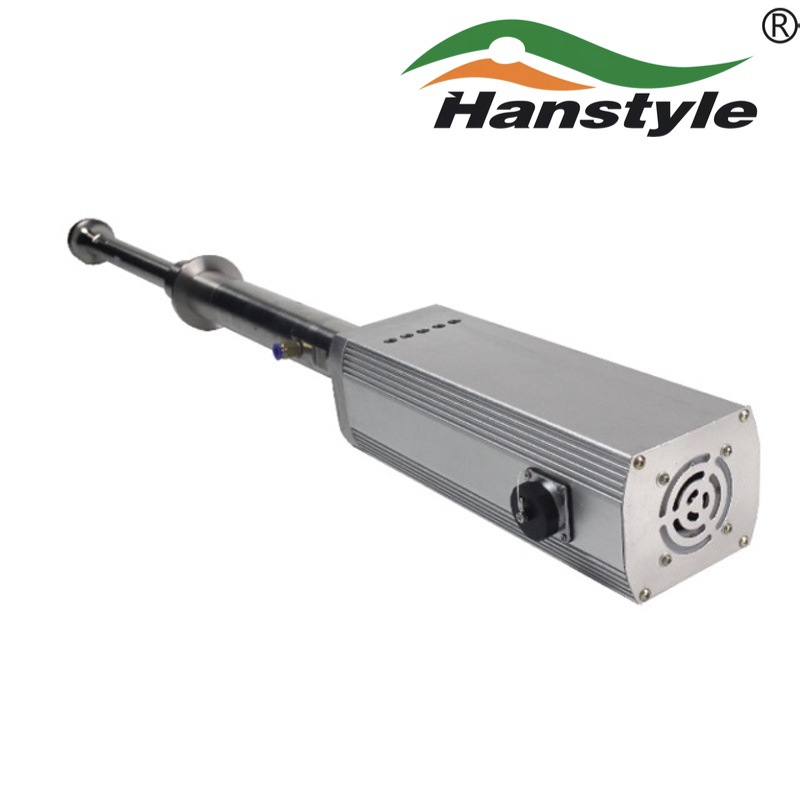
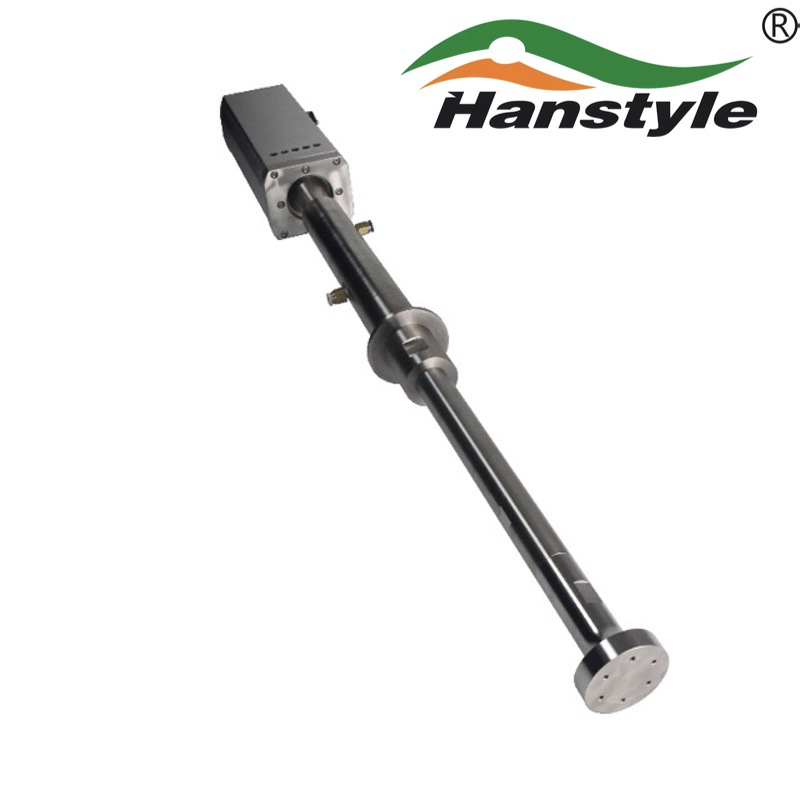
Advanced Ultrasonic Processor for Water-Oil Emulsification & Metal Treatment
Introduction:
|
In the process of metal solidification, ultrasonic vibration is introduced, the solidification structure changes from coarse columnar crystal to uniform and fine equiaxed crystal, and the macro and micro segregation of metal is improved. It is generally believed that high-energy ultrasound is useful in ultrasonic treatment, ultrasonic metal treatment, ultrasonic grain refinement, ultrasonic metal solidification, ultrasonic melt defoaming, ultrasonic crystallization, ultrasonic cavitation, ultrasonic casting, ultrasonic solidification structure, ultrasonic metal continuous casting and other aspects.
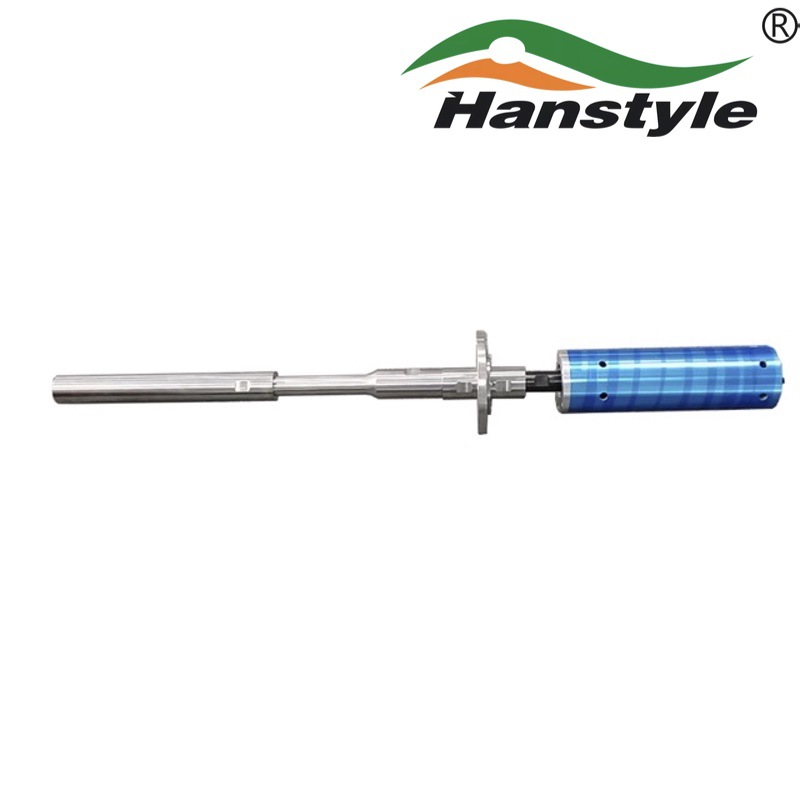
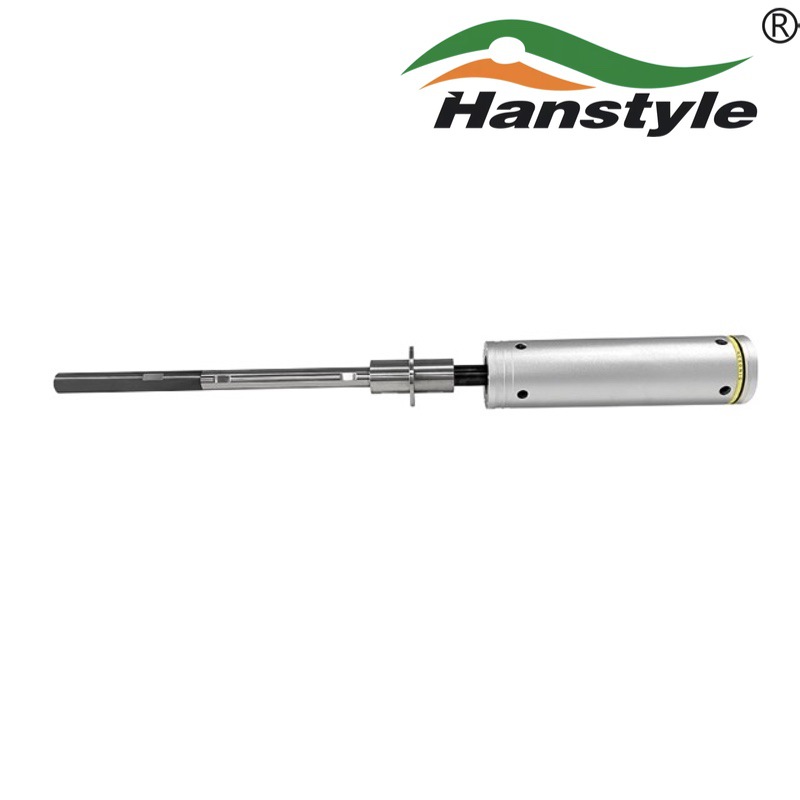
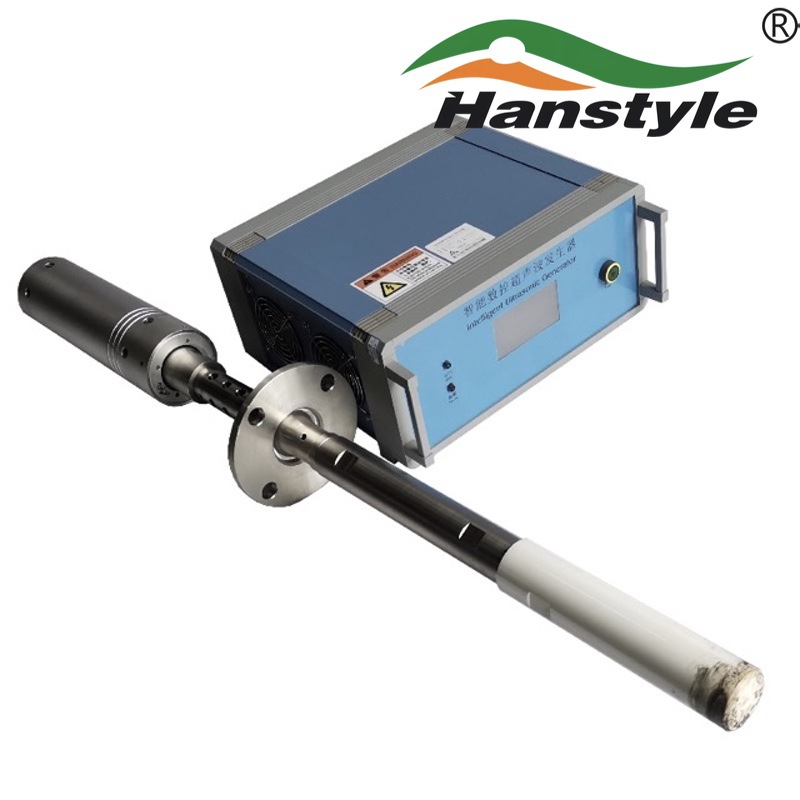
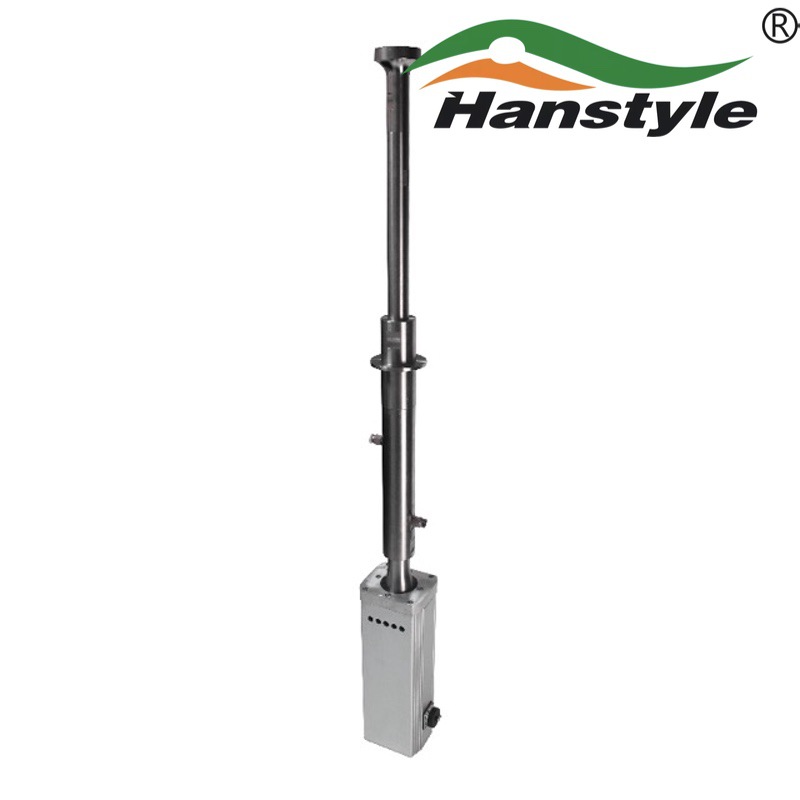
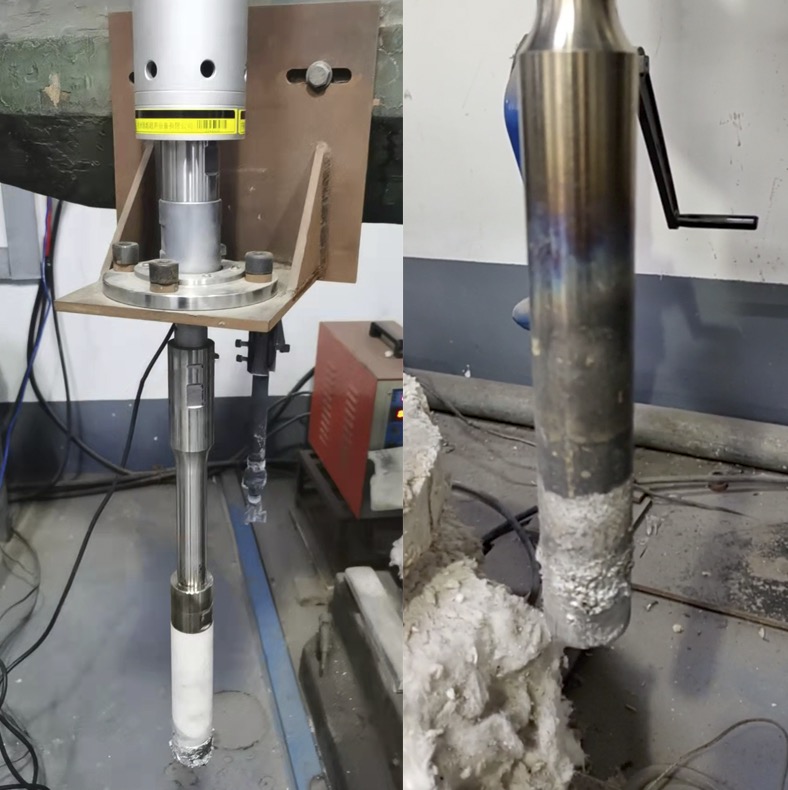
The processed melt is stored in a specific container, such as a crucible, smelting furnace, crystallization furnace. There are many ways to transmit ultrasonic energy into the metal melt. Among them, it is undoubtedly the most effective way to insert the ultrasonic tool head into the melt and directly emit ultrasonic waves into the molten metal liquid. When the melt is cooled and crystallized, it is also affected by strong ultrasonic wave, and the material properties change accordingly. For a specific melt, the smaller the melt volume, the greater the output power of the ultrasonic generator, and the longer the ultrasonic action time, the higher the ultrasonic comprehensive action intensity. In other words, we can also control the effect of ultrasonic action by controlling the amount of metal melt, the output power of ultrasonic generator, and the time of ultrasonic action to find the best balance between ultrasonic action and actual effect. |
 |
Application:
- 1. High strength aluminum alloy and magnesium alloy casting
2. Production of aluminum and magnesium alloy bars and plates
3. Crystallization degassing of various alloy materials, motor rotors, etc
4. Casting of various metal matrix composites and high-strength aluminum alloy pistons.
Demonstration Of The Working Performance:
Specifications:
|
Model |
H-UMP10 |
H-UMP15 |
H-UMP20 |
|
Frequency |
20 ± 1 KHz |
||
|
Power |
1000VA |
1500VA |
2000VA |
|
Input Voltage |
220±10%(V) |
||
|
Maximum bearing temperature |
800℃ |
||
|
Probe Diameter |
31mm |
45mm |
45mm |
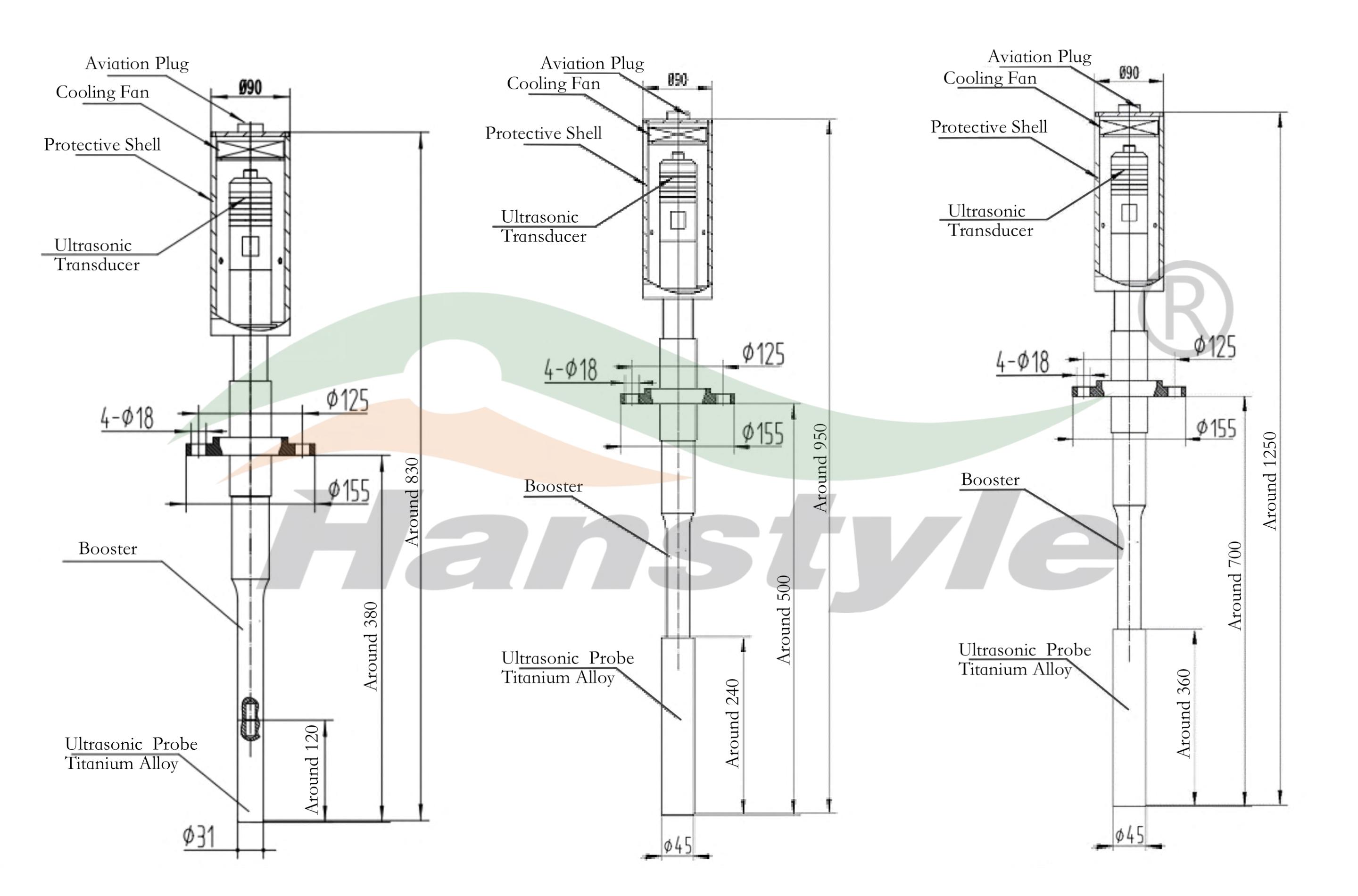
Ultrasonic Vibrator Reference Size
 |
Advantage:
-
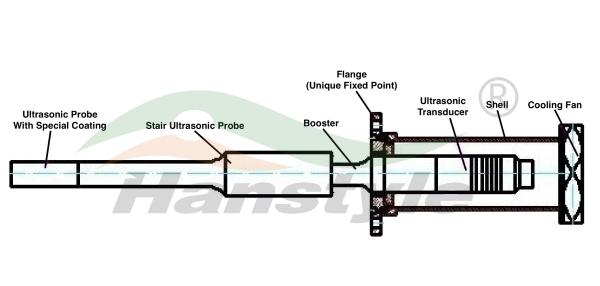
1. High temperature resistance: the maximum bearing temperature is 800 ℃.
2. Easy installation: fixed by flange connection.
3. Corrosion resistance: use high-strength titanium alloy tool head.
4. High power: the maximum power of a single radiant head can reach 3000W.
- Comments From Clients:

Payment & Shipping:
| Minimum Order Quantity | Price(USD) | Packaging Details | Supply Ability | Delivery Port |
|
1 Piece |
2100~6000 |
normal export packaging | 50000pcs | Shanghai |


The core of this ultrasonic technology lies in its ability to introduce high-frequency vibrations into liquid metals, such as aluminum, during the solidification phase. This process instigates a remarkable transformation in the metal's crystalline structure, transitioning from coarse columnar crystals to exceptionally fine and evenly distributed equiaxed crystals. Such a metamorphosis not only significantly refines the aesthetic and structural integrity of the metal but also markedly diminishes macro and micro-segregation. This ensures a higher quality of metal with improved mechanical properties and longevity, which is crucial in applications demanding superior material standards. Moreover, the application of ultrasonic waves in the process of water-oil emulsification presents a novel approach to creating more stable and uniform emulsions. The ultrasonic processor's dynamic action facilitates the breakdown of oil droplets, distributing them more evenly throughout the water phase. This process is particularly beneficial in industrial scenarios where the homogeneous blending of water and oil is essential for the production of emulsions with specific characteristics, such as in cosmetics, pharmaceuticals, and food processing. The ability of Hanstyle's ultrasonic processor to achieve a finer level of emulsification not only enhances the quality of the end products but also contributes to more efficient and sustainable manufacturing processes.