


Ultrasonic Machine
Founded in 1993, Hangzhou Hanspire Automation Co., Ltd. stands as a leading figure in the machinery casting and ultrasonic technology industries. Located in Hangzhou City, Hanspire boasts a state-of-the-art facility spanning over 20,000 square meters. With more than 150 dedicated employees, the company continues to advance in quality and innovation. Initially focused on ductile iron, gray iron, and cast steel casting, Hanspire has expanded its expertise to include ultrasonic automation equipment.
As a premier exporter of ultrasonic devices, Hanspire has carved out a significant presence in both domestic and international markets. Our ultrasonic equipment, including the High Stability 20KHz Industrial Ultrasonic Homogenizer, is renowned for its efficiency in medical herbs extraction and make-up emulsification. The High Efficiency Laboratory Ultrasonic Sonochemistry 20kHz Ultrasonic Homogenizer excels in dispersing, mixing, and extraction experiments, leveraging the phenomenon of acoustic cavitation for superior performance. Moreover, our Stable Efficiency Ultrasonic Homogenizer is pivotal for nano graphene dispersion and CBD extraction, showcasing the versatility and precision of our ultrasonic technology.
Hanspire Automation is committed to maintaining its reputation for quality and reliability. With robust facilities and advanced ultrasonic equipments, we ensure the highest standards in production and testing. Trust Hanspire for cutting-edge ultrasonic solutions that drive innovation and excellence in various industries.
As a premier exporter of ultrasonic devices, Hanspire has carved out a significant presence in both domestic and international markets. Our ultrasonic equipment, including the High Stability 20KHz Industrial Ultrasonic Homogenizer, is renowned for its efficiency in medical herbs extraction and make-up emulsification. The High Efficiency Laboratory Ultrasonic Sonochemistry 20kHz Ultrasonic Homogenizer excels in dispersing, mixing, and extraction experiments, leveraging the phenomenon of acoustic cavitation for superior performance. Moreover, our Stable Efficiency Ultrasonic Homogenizer is pivotal for nano graphene dispersion and CBD extraction, showcasing the versatility and precision of our ultrasonic technology.
Hanspire Automation is committed to maintaining its reputation for quality and reliability. With robust facilities and advanced ultrasonic equipments, we ensure the highest standards in production and testing. Trust Hanspire for cutting-edge ultrasonic solutions that drive innovation and excellence in various industries.
-
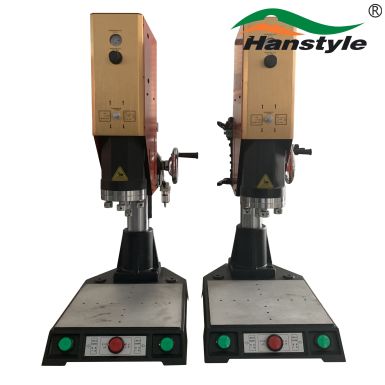
High Quality 20KHz Ultrasonic Plastic Welding Machine For PP PE ABS Materials
-
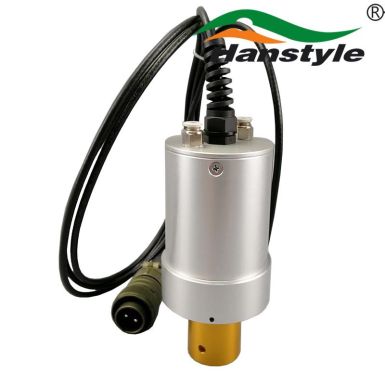
High Efficiency High Power Ultrasonic Transducer For Dukane 41S30 Replacement
-
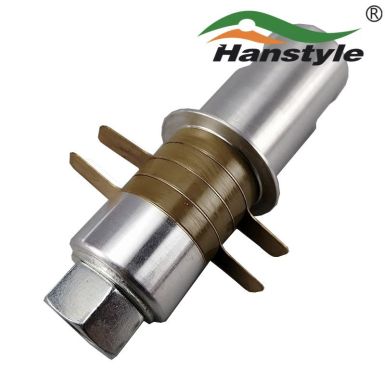
High Quality Piezoelectrical 28KHz Ultrasonic Welding Transducer For Spot Welding Device
-
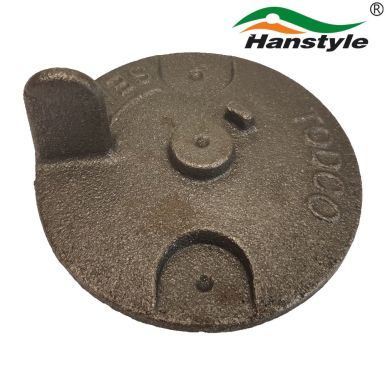
High Precision OEM Customized Ductile Iron Casting /Grey Iron Sand Casting Parts For Trucks
-
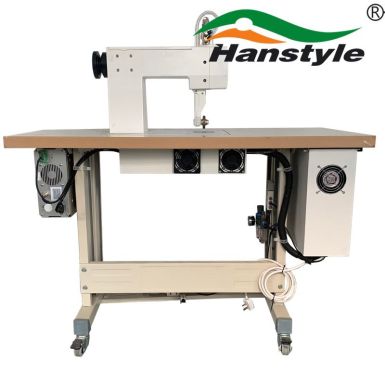
High Precision 30KHz Rotary Ultrasonic Sewing Machine For Making Fine Work
-
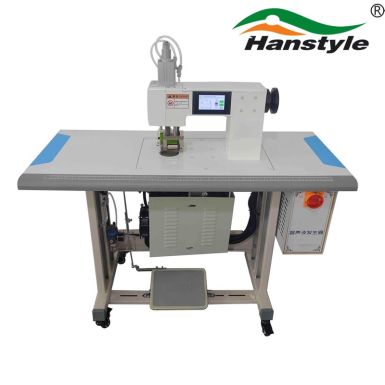
Fast Speed Intelligent 20KHz Ultrasonic Sewing Machine With Digital Generator For Making Surgical Suits
-
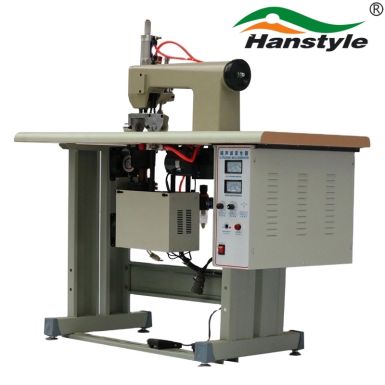
Double Motor 20KHz Ultrasonic Sewing Machine With Analog Generator For PP PE Non-woven Materials
-
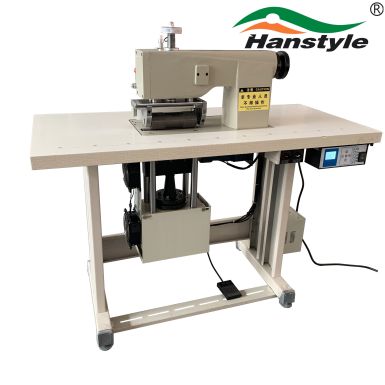
High Frequency 15KHz Digital Type Ultrasonic Lace Machine For Thick Non-woven Materials Drilling
-
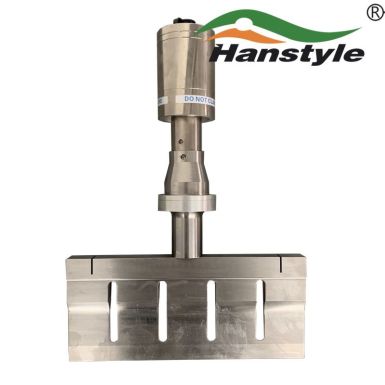
Fast Speed High Precision Ultrasonic Rubber Cutter For Automobile Tire Industry
-
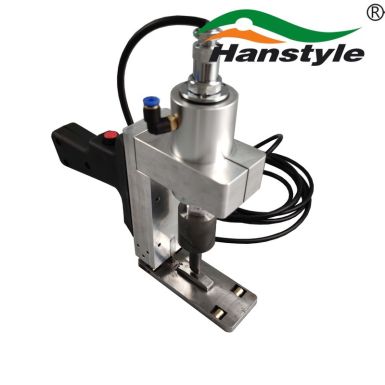
High Frequency 40KHz Ultrasonic Cutter For Cutting Leathers Non-woven And Fabrick
-
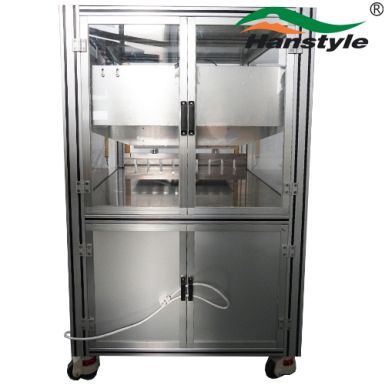
High Precision Stability 20KHz Ultrasonic Food Cutting Machine With Double Cutting Blades
-
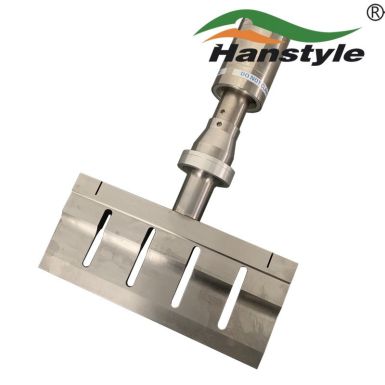
High Amplitude Stable 20KHz/40KHz Ultrasonic Food Cutter For Cutting Frozen Cakes And Cheese
The Frequent FAQs of PRODUCTS
What does the ultrasonic machine do?▾
Ultrasonic machines are advanced devices used for cleaning a wide variety of objects through the generation of high-frequency sound waves. These machines operate on the principle of converting sound energy into mechanical vibrations via a transducer. When this transducer receives an electrical signal oscillating at ultrasonic frequency, it produces ultrasonic waves in the fluid within the device's chamber. These waves create compression forces in the cleaning solution, leading to the formation and subsequent collapse of countless microscopic cavitation bubbles. This cavitation process is the core mechanism that effectively dislodges contaminants from the surfaces of immersed objects.
The ultrasonic cleaning process begins with placing the objects to be cleaned into a chamber filled with a cleaning solution, which can be either water-based or solvent-based, depending on the nature of the contaminants. The transducer, often made of piezoelectric materials such as lead zirconate titanate or barium titanate, generates ultrasonic waves that propagate through the cleaning fluid. These waves cause the rapid formation and explosion of tiny cavitation bubbles. The collapse of these bubbles produces significant local energy, characterized by high temperatures and pressures, albeit on a microscopic scale. This energy effectively removes dirt, grime, oil, rust, biological residues, and other contaminants from the surfaces of the objects.
Ultrasonic devices are used across a multitude of industries due to their efficiency and ability to clean intricate and hard-to-reach areas without damaging the objects. They are commonly utilized in the automotive, medical, pharmaceutical, electronics, and industrial sectors. For instance, in the medical field, ultrasonic cleaners are indispensable for cleaning surgical and dental instruments, ensuring that all traces of biological material are removed before sterilization. In the electronics industry, these devices are essential for cleaning delicate printed circuit boards and other components without the need for harsh chemicals.
Jewelry workshops, watchmakers, and scientific laboratories also rely heavily on ultrasonic cleaners to maintain the condition and functionality of their tools and samples. The detailed cleaning capability of these devices makes them ideal for treating items with complex shapes and tiny crevices, such as jewelry and intricate mechanical parts.
One of the significant advantages of ultrasonic cleaning devices is their ability to achieve thorough cleanliness with minimal manual intervention. This not only saves time but also ensures a level of cleanliness that is difficult to achieve through conventional cleaning methods. Additionally, these devices can often operate with lower concentrations of cleaning agents, making them an environmentally friendly option as they reduce chemical waste and exposure.
However, it is essential to consider that ultrasonic cleaning does not sterilize objects. While the devices are highly effective at removing contaminants, any remaining spores or viruses require a subsequent sterilization process, particularly in medical applications. Moreover, some electronic components, such as MEMS devices, can be sensitive to the high-intensity vibrations and may require special consideration to avoid damage.
Operating ultrasonic cleaning devices necessitates adherence to safety guidelines to prevent potential hazards. Continuous exposure to high-frequency noise emitted by these machines can be irritating, making hearing protection advisable. Additionally, the solution in the chamber can become heated and may cause thermal or chemical injuries upon contact. Therefore, it is crucial to avoid using flammable cleaning solutions unless the machine is certified as explosion-proof. Electrical safety is also paramount, as contact between the cleaning solution and electrified components can lead to electric shocks.
In conclusion, ultrasonic machines provide an advanced and efficient method for cleaning a wide range of objects, from industrial parts to delicate medical instruments. Their ability to reach and clean complex surfaces without causing damage makes them invaluable in various fields, offering both practicality and high precision in maintaining cleanliness and hygiene.
Mechanism and Functionality
The ultrasonic cleaning process begins with placing the objects to be cleaned into a chamber filled with a cleaning solution, which can be either water-based or solvent-based, depending on the nature of the contaminants. The transducer, often made of piezoelectric materials such as lead zirconate titanate or barium titanate, generates ultrasonic waves that propagate through the cleaning fluid. These waves cause the rapid formation and explosion of tiny cavitation bubbles. The collapse of these bubbles produces significant local energy, characterized by high temperatures and pressures, albeit on a microscopic scale. This energy effectively removes dirt, grime, oil, rust, biological residues, and other contaminants from the surfaces of the objects.
Applications and Versatility
Ultrasonic devices are used across a multitude of industries due to their efficiency and ability to clean intricate and hard-to-reach areas without damaging the objects. They are commonly utilized in the automotive, medical, pharmaceutical, electronics, and industrial sectors. For instance, in the medical field, ultrasonic cleaners are indispensable for cleaning surgical and dental instruments, ensuring that all traces of biological material are removed before sterilization. In the electronics industry, these devices are essential for cleaning delicate printed circuit boards and other components without the need for harsh chemicals.
Jewelry workshops, watchmakers, and scientific laboratories also rely heavily on ultrasonic cleaners to maintain the condition and functionality of their tools and samples. The detailed cleaning capability of these devices makes them ideal for treating items with complex shapes and tiny crevices, such as jewelry and intricate mechanical parts.
Benefits and Considerations
One of the significant advantages of ultrasonic cleaning devices is their ability to achieve thorough cleanliness with minimal manual intervention. This not only saves time but also ensures a level of cleanliness that is difficult to achieve through conventional cleaning methods. Additionally, these devices can often operate with lower concentrations of cleaning agents, making them an environmentally friendly option as they reduce chemical waste and exposure.
However, it is essential to consider that ultrasonic cleaning does not sterilize objects. While the devices are highly effective at removing contaminants, any remaining spores or viruses require a subsequent sterilization process, particularly in medical applications. Moreover, some electronic components, such as MEMS devices, can be sensitive to the high-intensity vibrations and may require special consideration to avoid damage.
Safety and Best Practices
Operating ultrasonic cleaning devices necessitates adherence to safety guidelines to prevent potential hazards. Continuous exposure to high-frequency noise emitted by these machines can be irritating, making hearing protection advisable. Additionally, the solution in the chamber can become heated and may cause thermal or chemical injuries upon contact. Therefore, it is crucial to avoid using flammable cleaning solutions unless the machine is certified as explosion-proof. Electrical safety is also paramount, as contact between the cleaning solution and electrified components can lead to electric shocks.
In conclusion, ultrasonic machines provide an advanced and efficient method for cleaning a wide range of objects, from industrial parts to delicate medical instruments. Their ability to reach and clean complex surfaces without causing damage makes them invaluable in various fields, offering both practicality and high precision in maintaining cleanliness and hygiene.
What is the work of ultrasonic machine?▾
Ultrasonic machining, a sophisticated subtractive manufacturing process, plays a crucial role in the fabrication of hard and brittle materials. This advanced technique leverages high-frequency, low-amplitude vibrations to remove material from the surface of a workpiece. The process involves an ultrasonic device that consists of two primary components: an electroacoustic transducer and a sonotrode. This device uses fine abrasive particles suspended in a slurry, which act as a cutting tool to erode the workpiece's surface through impact forces.
Components of Ultrasonic Device
The ultrasonic device's electroacoustic transducer converts alternating electric current into mechanical vibrations. The transducer can be either piezoelectric or magnetostrictive. A piezoelectric transducer employs a ceramic element, such as barium titanate, that vibrates when subjected to alternating voltage. Conversely, a magnetostrictive transducer utilizes a ferromagnetic cylinder which changes shape with alternating magnetic fields, thus generating vibrations. These vibrations are transmitted to the sonotrode, which is typically made from low-carbon steel. The sonotrode oscillates at high frequencies while maintaining low amplitudes and is responsible for delivering the abrasive slurry to the workpiece.
Machining Process
The ultrasonic device operates by directing a continuous flow of abrasive slurry between the sonotrode and the workpiece. As the sonotrode makes contact with the workpiece, it removes material through microchipping or erosion caused by the high-frequency vibrations. The slurry, comprising abrasive particles such as boron carbide, aluminum oxide, or silicon carbide, ensures that debris is effectively removed from the cutting area, thereby enhancing precision and surface finish.
This machining process is particularly suited for materials with high hardness and brittleness, such as ceramics, glass, and hardened steels. The mechanism of microcracking allows the ultrasonic device to achieve extremely precise and complex shapes, which are difficult to obtain using conventional machining methods.
Factors Influencing Machining
Several factors influence the efficiency and quality of ultrasonic machining. These include the material properties of the workpiece, such as hardness, strength, porosity, and fracture toughness, as well as the characteristics of the abrasive slurry, such as particle size and material. The amplitude of the sonotrode’s vibration also plays a critical role in determining the machining time and surface finish. Generally, a smaller grain size in the abrasive slurry results in a smoother surface finish on the workpiece.
Applications and Advantages
Ultrasonic machining is indispensable in fields requiring high precision and the ability to work with brittle materials. This includes applications in optical and electrical components, where maintaining material properties and dimensional accuracy is paramount. Additionally, the technique is employed in producing microelectromechanical systems and structural components from single crystal materials.
One of the significant advantages of ultrasonic machining is its ability to process materials without altering their physical properties. Unlike thermal, chemical, or electrical processes, ultrasonic machining does not generate heat, ensuring that there is no distortion or structural alteration in the workpiece. Furthermore, the absence of burrs in the finished product reduces the need for additional finishing operations.
Challenges and Limitations
Despite its numerous advantages, ultrasonic machining has certain inherent limitations. The material removal rate can be slower compared to other methods, particularly for metals, due to the reliance on microchipping mechanisms. Additionally, the sonotrode tip is subject to wear from continuous abrasive impact, necessitating frequent maintenance or replacement. Drilling deep holes remains challenging as the abrasive slurry may not effectively reach the bottom, although rotary ultrasonic machining can mitigate this issue for ceramic materials.
In conclusion, ultrasonic machining, facilitated by an ultrasonic device, represents a powerful and precise method for working with hard and brittle materials. Its ability to maintain material integrity and achieve intricate shapes makes it a valuable tool in advanced manufacturing sectors. Although there are challenges to overcome, ongoing research and technological advancements continue to enhance its capabilities and applications.
Components of Ultrasonic Device
The ultrasonic device's electroacoustic transducer converts alternating electric current into mechanical vibrations. The transducer can be either piezoelectric or magnetostrictive. A piezoelectric transducer employs a ceramic element, such as barium titanate, that vibrates when subjected to alternating voltage. Conversely, a magnetostrictive transducer utilizes a ferromagnetic cylinder which changes shape with alternating magnetic fields, thus generating vibrations. These vibrations are transmitted to the sonotrode, which is typically made from low-carbon steel. The sonotrode oscillates at high frequencies while maintaining low amplitudes and is responsible for delivering the abrasive slurry to the workpiece.
Machining Process
The ultrasonic device operates by directing a continuous flow of abrasive slurry between the sonotrode and the workpiece. As the sonotrode makes contact with the workpiece, it removes material through microchipping or erosion caused by the high-frequency vibrations. The slurry, comprising abrasive particles such as boron carbide, aluminum oxide, or silicon carbide, ensures that debris is effectively removed from the cutting area, thereby enhancing precision and surface finish.
This machining process is particularly suited for materials with high hardness and brittleness, such as ceramics, glass, and hardened steels. The mechanism of microcracking allows the ultrasonic device to achieve extremely precise and complex shapes, which are difficult to obtain using conventional machining methods.
Factors Influencing Machining
Several factors influence the efficiency and quality of ultrasonic machining. These include the material properties of the workpiece, such as hardness, strength, porosity, and fracture toughness, as well as the characteristics of the abrasive slurry, such as particle size and material. The amplitude of the sonotrode’s vibration also plays a critical role in determining the machining time and surface finish. Generally, a smaller grain size in the abrasive slurry results in a smoother surface finish on the workpiece.
Applications and Advantages
Ultrasonic machining is indispensable in fields requiring high precision and the ability to work with brittle materials. This includes applications in optical and electrical components, where maintaining material properties and dimensional accuracy is paramount. Additionally, the technique is employed in producing microelectromechanical systems and structural components from single crystal materials.
One of the significant advantages of ultrasonic machining is its ability to process materials without altering their physical properties. Unlike thermal, chemical, or electrical processes, ultrasonic machining does not generate heat, ensuring that there is no distortion or structural alteration in the workpiece. Furthermore, the absence of burrs in the finished product reduces the need for additional finishing operations.
Challenges and Limitations
Despite its numerous advantages, ultrasonic machining has certain inherent limitations. The material removal rate can be slower compared to other methods, particularly for metals, due to the reliance on microchipping mechanisms. Additionally, the sonotrode tip is subject to wear from continuous abrasive impact, necessitating frequent maintenance or replacement. Drilling deep holes remains challenging as the abrasive slurry may not effectively reach the bottom, although rotary ultrasonic machining can mitigate this issue for ceramic materials.
In conclusion, ultrasonic machining, facilitated by an ultrasonic device, represents a powerful and precise method for working with hard and brittle materials. Its ability to maintain material integrity and achieve intricate shapes makes it a valuable tool in advanced manufacturing sectors. Although there are challenges to overcome, ongoing research and technological advancements continue to enhance its capabilities and applications.
What are the benefits of using an ultrasonic cleaner?▾
Ultrasonic cleaners provide a multitude of benefits that make them the preferred choice for a variety of industries, including medical, food processing, electronics, aerospace, and disaster recovery. Their adaptability and efficiency have established them as essential tools in environments where precision and thoroughness are paramount.
Efficiency and Time-Saving
One of the most significant advantages of ultrasonic cleaners is their ability to save time. These devices emit up to 40,000 sound pulses per second, and each pulse delivers impactful cleaning action upon the part’s surface. This high-frequency wave action allows ultrasonic cleaners to remove contaminants faster and more effectively than traditional cleaning methods. Time savings translate into increased productivity and reduced operational downtime, making these machines invaluable assets in any industrial setting.
Gentle Yet Effective Cleaning
Ultrasonic cleaners excel in removing contaminants without causing abrasion, harsh scrubbing, or high-pressure sprays. This gentle cleaning action is crucial for delicate parts such as microchips, computer components, plated parts, and priceless family heirlooms. Traditional cleaning methods can potentially damage these sensitive items, but ultrasonic technology ensures that they are cleaned thoroughly while maintaining their integrity.
Versatile Contaminant Removal
The versatility of ultrasonic cleaners is unmatched. They can remove a vast array of contaminants from a part’s surface, including oil, grease, wax, shavings, dirt, dust, clay, sand, parting compound, soot, carbon, and oxidation, down to microscopic particles. No other parts cleaning system offers this level of flexibility in a single unit, making ultrasonic cleaners stand out as incredibly adaptable machines suitable for numerous cleaning applications.
Efficacy with Complex Parts
Ultrasonic cleaners are particularly effective when it comes to cleaning complex parts. The combination of cleaning detergent and high-frequency waves penetrates all surfaces, ensuring that even hidden passageways, narrow openings, crevices, cracks, and blind-drilled holes are cleaned just as thoroughly as visible surfaces. This eliminates the need for intensive hand-cleaning, which can be labor-intensive and costly. For intricate and hard-to-clean components, ultrasonic cleaners are an indispensable solution.
Energy Efficiency
In an era where reducing power consumption is paramount, ultrasonic cleaners offer an environmentally friendly alternative to traditional cleaning methods. Unlike other parts-cleaning systems that rely on multiple motors to pump, spray, circulate, agitate, and capture cleaning chemicals and their vapors, ultrasonic cleaners typically require only one small motor to filter the solution. The majority of the cleaning is achieved through efficient electrical energy and transducers, keeping power consumption to a minimum. This efficiency not only reduces operational costs but also aligns with sustainable business practices.
Conclusion
The benefits of ultrasonic cleaners are extensive, making them a wise investment for any industry requiring high standards of cleanliness and efficiency. From substantial time savings and gentle yet effective cleaning to their versatility in contaminant removal, ability to handle complex parts, and low power consumption, these machines offer unparalleled advantages. As industries evolve and the demand for precision cleaning grows, ultrasonic cleaners will continue to be a critical tool, driving both operational excellence and innovation. For those seeking a reliable and efficient cleaning solution, integrating an ultrasonic machine from a reputable manufacturer can offer significant improvements in both process and performance.
Efficiency and Time-Saving
One of the most significant advantages of ultrasonic cleaners is their ability to save time. These devices emit up to 40,000 sound pulses per second, and each pulse delivers impactful cleaning action upon the part’s surface. This high-frequency wave action allows ultrasonic cleaners to remove contaminants faster and more effectively than traditional cleaning methods. Time savings translate into increased productivity and reduced operational downtime, making these machines invaluable assets in any industrial setting.
Gentle Yet Effective Cleaning
Ultrasonic cleaners excel in removing contaminants without causing abrasion, harsh scrubbing, or high-pressure sprays. This gentle cleaning action is crucial for delicate parts such as microchips, computer components, plated parts, and priceless family heirlooms. Traditional cleaning methods can potentially damage these sensitive items, but ultrasonic technology ensures that they are cleaned thoroughly while maintaining their integrity.
Versatile Contaminant Removal
The versatility of ultrasonic cleaners is unmatched. They can remove a vast array of contaminants from a part’s surface, including oil, grease, wax, shavings, dirt, dust, clay, sand, parting compound, soot, carbon, and oxidation, down to microscopic particles. No other parts cleaning system offers this level of flexibility in a single unit, making ultrasonic cleaners stand out as incredibly adaptable machines suitable for numerous cleaning applications.
Efficacy with Complex Parts
Ultrasonic cleaners are particularly effective when it comes to cleaning complex parts. The combination of cleaning detergent and high-frequency waves penetrates all surfaces, ensuring that even hidden passageways, narrow openings, crevices, cracks, and blind-drilled holes are cleaned just as thoroughly as visible surfaces. This eliminates the need for intensive hand-cleaning, which can be labor-intensive and costly. For intricate and hard-to-clean components, ultrasonic cleaners are an indispensable solution.
Energy Efficiency
In an era where reducing power consumption is paramount, ultrasonic cleaners offer an environmentally friendly alternative to traditional cleaning methods. Unlike other parts-cleaning systems that rely on multiple motors to pump, spray, circulate, agitate, and capture cleaning chemicals and their vapors, ultrasonic cleaners typically require only one small motor to filter the solution. The majority of the cleaning is achieved through efficient electrical energy and transducers, keeping power consumption to a minimum. This efficiency not only reduces operational costs but also aligns with sustainable business practices.
Conclusion
The benefits of ultrasonic cleaners are extensive, making them a wise investment for any industry requiring high standards of cleanliness and efficiency. From substantial time savings and gentle yet effective cleaning to their versatility in contaminant removal, ability to handle complex parts, and low power consumption, these machines offer unparalleled advantages. As industries evolve and the demand for precision cleaning grows, ultrasonic cleaners will continue to be a critical tool, driving both operational excellence and innovation. For those seeking a reliable and efficient cleaning solution, integrating an ultrasonic machine from a reputable manufacturer can offer significant improvements in both process and performance.