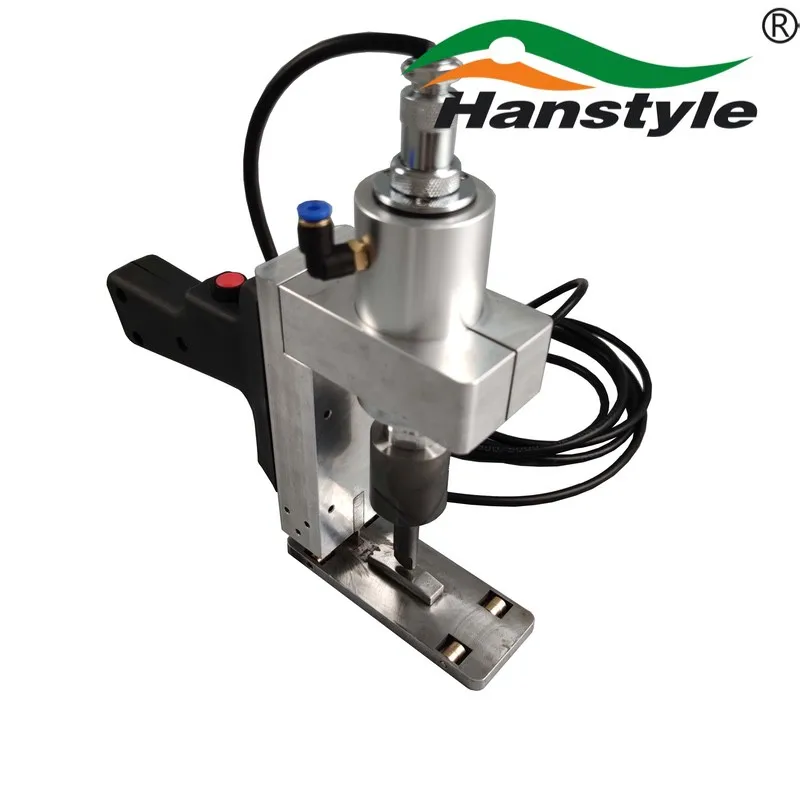
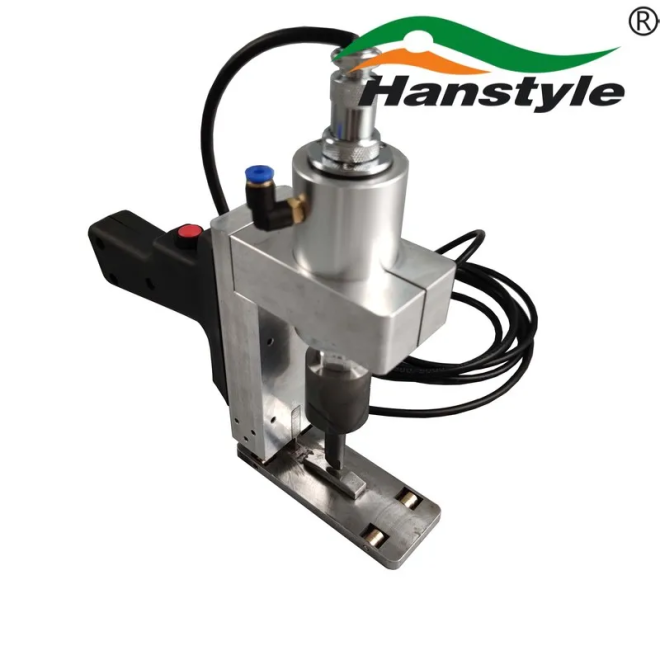
Introduction
Rubber cutting machines are specialized devices used extensively in various industries for cutting and shaping rubber materials. One such advanced technology making waves in this field is the Ultrasonic Rubber Cutting machine. These machines offer precision, speed, and efficiency, which are crucial in mass production environments. This article delves into the principles, advantages, applications, and specific features of ultrasonic rubber cutting machines, making it a comprehensive guide for those looking to invest in this cutting-edge technology.
Ultrasonic Rubber Cutting Principle
● How Ultrasonic Technology Works
Ultrasonic technology revolves around the concept of high-frequency sound waves, which are beyond the range of human hearing. These sound waves, when applied to a cutting tool, induce rapid vibrations. The Ultrasonic Rubber Cutting Machine utilizes these vibrations to make precise cuts, minimizing friction and reducing heat generation.
● Conversion of Electrical Energy to Mechanical Vibrations
The process begins with an ultrasonic generator that converts standard electrical energy into high-frequency electrical signals. These signals are then transmitted to an ultrasonic transducer, which converts the electrical energy into mechanical vibrations. These vibrations are further amplified and transmitted to a cutting tool, enabling precise and efficient cutting of rubber materials.
High Cutting Accuracy and No Deformation
● Achieving Precise Cuts
One of the standout features of an Ultrasonic Rubber Cutting Machine is its ability to make highly accurate cuts. The rapid vibrations minimize resistance, allowing the blade to glide through the material effortlessly. This ensures precise cuts, which is especially important in industries where accuracy is paramount.
● Maintaining Compound Integrity
Unlike conventional cutting methods that may cause deformation or damage to the rubber material, ultrasonic cutting maintains the material's integrity. This is crucial for applications where the properties of the rubber must remain unaltered post-cutting, ensuring the end product's quality and durability.
High Speed, Efficiency, and No Pollution
● Benefits of Fast and Efficient Cutting
In industrial settings, time is money. Ultrasonic Rubber Cutting Machines offer unparalleled speed and efficiency. The high-frequency vibrations enable rapid cutting, significantly reducing production times. This efficiency translates to cost savings and increased throughput for manufacturing plants.
● Environmental Advantages
Traditional cutting methods can generate waste and pollutants. However, the Ultrasonic Rubber Cutting Machine operates cleanly, producing minimal waste. The lack of friction and heat also means that no harmful fumes or pollutants are released during the cutting process, making it an environmentally friendly option.
Surface Finish and Bonding Performance
● Quality of Cut Surfaces
The precision of ultrasonic cutting technology results in clean, smooth cut surfaces. This is particularly beneficial in applications where the appearance and finish of the rubber product are vital. The smooth cuts also facilitate easier handling and further processing of the material.
● Impact on Subsequent Bonding Procedures
The high-quality cuts produced by ultrasonic cutting machines enhance bonding performance in subsequent manufacturing processes. Whether the rubber needs to be glued, welded, or fused with other materials, the clean cuts ensure better adhesion and stronger bonds, contributing to the overall quality of the final product.
Suitability for Automated Production
● Integration with Automated Systems
Ultrasonic Rubber Cutting Machines are designed to be seamlessly integrated into automated production lines. This compatibility enhances the efficiency of manufacturing processes, allowing for continuous, uninterrupted production. The automation capability also reduces the need for manual intervention, minimizing human error and ensuring consistency.
● Advantages for Large-Scale Manufacturing
For manufacturers dealing with large volumes of rubber products, the scalability and reliability of ultrasonic cutting machines are invaluable. The ability to maintain high-speed, high-quality cutting in automated environments ensures that production targets are met without compromising on quality.
Applications in Various Rubber Products
● Tires, Cables, and Hoses
One of the primary applications of ultrasonic rubber cutting machines is in the automotive industry, particularly in the production of tires, cables, and hoses. These components require precise cutting to ensure proper fit and function, and ultrasonic technology delivers on these requirements effectively.
● Gaskets and Chemical-Resistant Linings
In industries where chemical resistance is crucial, such as pharmaceuticals and chemicals, ultrasonic cutting machines are used to create gaskets and linings. These products must be cut with precision to provide effective seals and resistance to various substances, making ultrasonic cutting the ideal choice.
Choice of Cutting Methods
● Different Methodologies: Cross-Cutting and Longitudinal Cutting
Ultrasonic Rubber Cutting Machines offer versatility in cutting methodologies, primarily cross-cutting and longitudinal cutting. Cross-cutting is used for slicing rubber sheets or strips, while longitudinal cutting is ideal for producing long, continuous cuts on rubber rolls or extrusions.
● Factors Influencing Method Selection
The choice between cross-cutting and longitudinal cutting depends on the specific application and requirements. Factors such as the size, shape, and thickness of the rubber material, as well as the desired outcome, influence the selection of the cutting method. Ultrasonic technology allows for adjustments to be made easily, providing flexibility to manufacturers.
20kHz Cutting Knife for Upper Tread
● Benefits of Using a 20kHz Knife
The 20kHz ultrasonic cutting knife is specifically designed for high-precision cutting of the upper tread in tire manufacturing. The high-frequency vibrations ensure clean, accurate cuts without causing any deformation to the rubber material.
● Key Factors: Amplitude, Feed Rate, Angle, Size, Shape, and Thickness
When using a 20kHz cutting knife, several factors must be considered to achieve optimal results. These include the amplitude of the vibrations, the feed rate of the material, the angle of the cut, and the size, shape, and thickness of the rubber. Proper adjustment of these parameters ensures the highest quality cuts.
● Examples of Cutter Types
There are various types of cutters available for different applications. The straight blade is commonly used for general-purpose cutting, while the curved blade is ideal for intricate shapes and contours. Specialized blades are also available for specific tasks, providing versatility in cutting operations.
40kHz Cutter for Tire Sidewalls
● Usage of a 40kHz Cutter in Cross-Cutting Mode
The 40kHz ultrasonic cutter is primarily used for cross-cutting tire sidewalls. The higher frequency provides enhanced precision and reduces the risk of material deformation. This makes it suitable for cutting complex shapes and intricate patterns in tire manufacturing.
● Considerations for Cutting Speed and Tire Characteristics
When using a 40kHz cutter, it's essential to consider the speed of cutting and the characteristics of the tire material. Adjusting the cutting speed ensures that the material is cut cleanly without any tearing or damage, while understanding the tire's properties helps optimize the cutting process.
● Common Cutter Types for Sidewall Applications
Different cutter types are used for various sidewall applications. The serrated blade is effective for cutting through thick, reinforced rubber, while the smooth blade is suitable for softer, more flexible materials. Selecting the right blade type ensures efficient and accurate cutting.
Hanspire: A Leader in Ultrasonic Technology
Hangzhou Hanspire Automation Co., Ltd. was founded in 1993. The head office is located in No.58, Baishi Village, Wanshi Town, Fuyang District, Hangzhou City. With a construction area of about 20,000 square meters and a total investment of 80 million RMB, Hanspire employs over 150 people. Originally focused on ductile iron, gray iron, and cast steel casting production, Hanspire has expanded to include ultrasonic automation equipment production lines. Hanspire is committed to the development of innovative ultrasonic solutions, becoming a leader in this field. The company prides itself on quality and reliability, offering customized services and maintaining a strong reputation in the industry. Quality determines the future! Hanspire Automation, always keep moving ahead, to be a better one!