


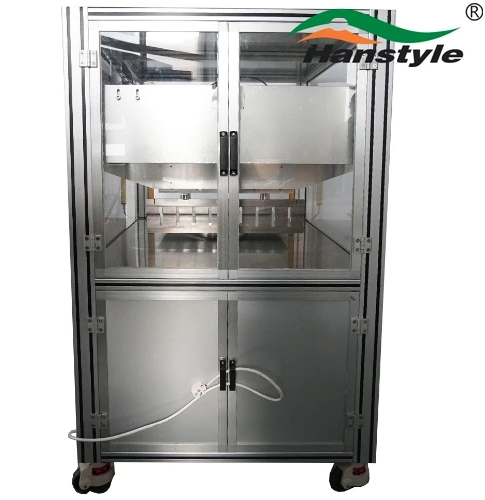
Introduction to Ultrasonic Cutting Speed
Ultrasonic cutting is an advanced technology that leverages high-frequency vibrations to cut through various materials with unparalleled precision and speed. The speed of ultrasonic cutting is a critical factor that influences its efficiency and applicability across industries. Understanding how fast ultrasonic cutting operates, and the factors that impact its speed, is essential for manufacturers and suppliers, especially those dealing with Ultrasonic Cutting Blades. In this article, we will delve into the intricate details of ultrasonic cutting speed, its mechanisms, performance metrics, and real-world applications.
Mechanism of Ultrasonic Cutting
● How Ultrasonic Vibrations Facilitate Cutting
Ultrasonic cutting utilizes a blade that vibrates at a frequency typically ranging from 20 kHz to 40 kHz. These high-frequency vibrations, generated by an ultrasonic transducer, create micro-movements in the blade that allow it to cut through materials with minimal resistance. The rapid vibration of the blade reduces the friction between the blade and the material, enabling a smooth and precise cut. This unique mechanism allows ultrasonic cutting to achieve high speeds that are difficult to match with traditional cutting methods.
● Comparison with Traditional Cutting Methods
Traditional cutting methods, such as mechanical saws and laser cutters, often struggle with precision, speed, and material integrity. In contrast, ultrasonic cutting significantly reduces the cutting force and heat generation, leading to faster cutting speeds and superior edge quality. The ultrasonic cutting blade glides through materials almost effortlessly, making it a preferred choice for industries that prioritize speed and precision.
Factors Influencing Cutting Speed
● Material Type and Its Impact on Speed
The type of material being cut plays a crucial role in determining the speed of ultrasonic cutting. Softer materials like foam, rubber, and thin plastics are easier to cut and allow the ultrasonic cutting blade to operate at higher speeds. Conversely, tougher materials such as metals and thick composites require more energy and time, thus reducing the cutting speed. Understanding the material properties is essential for optimizing cutting parameters and achieving the desired speed.
● Cutting Requirements and Their Effects on Efficiency
The specific cutting requirements, including the thickness of the material, the complexity of the cut, and the desired edge quality, also affect the speed of ultrasonic cutting. For instance, thicker materials or intricate designs may require slower cutting speeds to maintain precision and avoid material damage. Manufacturers and suppliers of ultrasonic cutting blades must consider these factors to provide tailored solutions that maximize efficiency without compromising on quality.
Performance Metrics in Ultrasonic Cutting
● Measuring Speed in Cuts Per Minute
One of the primary metrics for evaluating the speed of ultrasonic cutting is the number of cuts per minute (CPM). This metric is particularly relevant for repetitive cutting tasks, such as those in the textile and packaging industries. A high CPM indicates faster processing times and increased productivity. Ultrasonic cutting blades designed for high CPM applications are optimized for rapid and continuous operation, making them ideal for high-throughput environments.
● Assessing Continuous Cutting Applications in Meters Per Minute
For continuous cutting applications, such as trimming edges or slicing rolls of material, the speed is often measured in meters per minute (MPM). This metric provides a clear indication of the efficiency and speed of the ultrasonic cutting process over extended lengths of material. Ultrasonic cutting blades designed for continuous cutting are engineered to maintain consistent performance and speed, ensuring smooth and uninterrupted operation.
Applications of High-Speed Ultrasonic Cutting
● Use in Textile Industry for Label Cutting
In the textile industry, speed and precision are paramount for label cutting and other detailed tasks. Ultrasonic cutting blades offer a significant advantage by delivering clean cuts at high speeds, minimizing fraying and material waste. This technology enables textile manufacturers to increase their production rates while maintaining the quality and accuracy of their cuts. Wholesale ultrasonic cutting blade suppliers cater to this industry's demand by providing blades that are specifically designed for high-speed label cutting applications.
● Application in Packaging and Manufacturing
The packaging and manufacturing industries benefit immensely from the high-speed capabilities of ultrasonic cutting. Whether it's cutting plastic packaging, trimming excess material, or slicing through composite materials, ultrasonic cutting blades ensure rapid and precise cuts. This efficiency translates to reduced production times and increased throughput, making ultrasonic cutting an invaluable tool for manufacturers looking to optimize their operations.
Advantages of High-Speed Ultrasonic Cutting
● Precision and Efficiency Benefits
The primary advantage of high-speed ultrasonic cutting is the combination of precision and efficiency. The ultrasonic cutting blade operates at high frequencies, ensuring clean and accurate cuts with minimal material distortion. This precision is particularly beneficial for industries such as electronics and medical device manufacturing, where even the slightest imperfection can have significant consequences. Additionally, the high-speed nature of ultrasonic cutting reduces production times and enhances overall efficiency.
● Reduction of Waste and Increased Productivity
Ultrasonic cutting minimizes material waste by delivering precise cuts with minimal kerf (the width of the cut made by the blade). This efficiency not only conserves materials but also translates to cost savings for manufacturers. Furthermore, the speed of ultrasonic cutting allows for higher production rates, thereby increasing overall productivity. Ultrasonic cutting blade manufacturers and suppliers play a crucial role in providing high-quality blades that maximize these advantages.
Challenges and Limitations
● Material Limitations Affecting Cutting Speed
While ultrasonic cutting offers numerous benefits, it also has its limitations. Certain materials, such as extremely hard metals or thick composites, may pose challenges for ultrasonic cutting blades. These materials require more energy and time to cut, which can reduce the overall cutting speed. Manufacturers must carefully select the appropriate ultrasonic cutting blade for each material to optimize performance and avoid potential issues.
● Potential Technical Difficulties
Technical difficulties, such as blade wear and ultrasonic transducer malfunctions, can also impact the speed and efficiency of ultrasonic cutting. Regular maintenance and proper operation are essential to ensure consistent performance. Ultrasonic cutting blade suppliers and manufacturers must provide comprehensive support and high-quality blades to help users overcome these challenges and maintain optimal cutting speeds.
Case Studies and Real-World Examples
● Speed Achievements in Various Industries
Several industries have successfully implemented ultrasonic cutting technology to achieve remarkable speed improvements. For instance, in the automotive industry, ultrasonic cutting blades are used for trimming interior components, resulting in faster production times and higher precision. Similarly, the food processing industry utilizes ultrasonic cutting for slicing delicate items like cakes and cheese, achieving clean and rapid cuts.
● Success Stories of Implementing Ultrasonic Cutting
A notable success story is the implementation of ultrasonic cutting in the aerospace industry. Aerospace manufacturers require precise and efficient cutting solutions for composite materials used in aircraft construction. Ultrasonic cutting blades have proven to be highly effective, providing fast and accurate cuts while reducing material waste. This success has led to widespread adoption of ultrasonic cutting in the aerospace sector, highlighting its speed and efficiency benefits.
Future Trends in Ultrasonic Cutting Speed
● Innovations Enhancing Speed and Efficiency
The future of ultrasonic cutting looks promising, with ongoing innovations aimed at enhancing speed and efficiency. Advances in ultrasonic transducer technology, blade materials, and cutting parameters are expected to push the boundaries of cutting speed even further. Manufacturers and suppliers of ultrasonic cutting blades are continuously researching and developing new solutions to meet the evolving demands of various industries.
● Emerging Materials and Their Impact on Cutting Speeds
The development of new materials, such as advanced composites and engineered plastics, will also influence the speed and efficiency of ultrasonic cutting. As these materials become more prevalent, ultrasonic cutting blade manufacturers must adapt their products to ensure optimal performance. The ability to cut through emerging materials quickly and accurately will be a key factor in the continued success of ultrasonic cutting technology.
Conclusion and Summary
In conclusion, the speed of ultrasonic cutting is a critical factor that determines its efficiency and applicability across different industries. By leveraging high-frequency vibrations, ultrasonic cutting blades achieve remarkable cutting speeds with unparalleled precision. Various factors, including material type and cutting requirements, influence the cutting speed, making it essential for manufacturers and suppliers to provide tailored solutions. Ultrasonic cutting offers numerous advantages, including reduced waste and increased productivity, although it does have its limitations. Real-world examples and case studies demonstrate the successful implementation of ultrasonic cutting in various industries, highlighting its speed and efficiency benefits. With ongoing innovations and the development of new materials, the future of ultrasonic cutting looks promising, offering even faster and more efficient solutions for diverse applications.
Company Introduction - Hanspire
Hangzhou Hanspire Automation Co., Ltd. was founded in 1993 and is located in No.58, Baishi Village, Wanshi Town, Fuyang District, Hangzhou City. With a construction area of about 20,000 square meters and a total investment of 80 million RMB, Hanspire employs over 150 people. The company has a robust infrastructure with advanced casting production lines and ultrasonic automation equipment. Hanspire is committed to quality and innovation, providing leading solutions in the machinery casting, post-press equipment manufacturing, and ultrasonic technology industries. With extensive experience and a wide business scope, Hanspire has gained a reputation for delivering high-quality, reliable products and services both domestically and internationally.
