


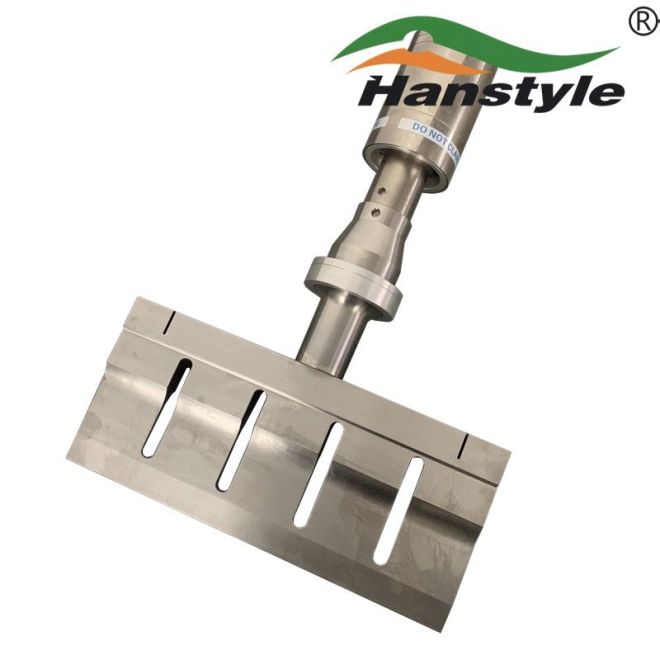
Introduction to Ultrasonic Cutting
● Definition and Basic Principles
Ultrasonic cutting is a technology that employs high-frequency sound waves to achieve precision slicing of materials. This process utilizes an ultrasonic cutting machine that vibrates a knife or blade at frequencies typically above 20 kHz. This high-frequency motion reduces the friction between the blade and the material being cut, producing a cleaner and more accurate cut. While traditionally used in industrial applications for cutting metals and plastics, ultrasonic cutting has found significant utility in the food processing industry.
● Historical Development and Technological Advancements
The origins of ultrasonic cutting trace back to innovations in the mid-20th century when scientists first discovered practical applications for ultrasonic waves. Initially developed for industrial uses, it was not until the late 20th and early 21st centuries that the food processing sector began to adopt this technology. Continuous advancements have led to the development of sophisticated ultrasonic cutting machines, supplied by wholesale ultrasonic cutting machine manufacturers and factories globally.
Precision and Efficiency
● High Accuracy in Cutting
One of the primary advantages of using ultrasonic cutting in food processing is its precision. The high-frequency vibrations allow the blade to slice through food products with minimal resistance, resulting in highly accurate cuts. This precision is particularly beneficial for products that require exact portioning, such as cakes, cheeses, and deli meats.
● Speed and Efficiency in Mass Production
Ultrasonic cutting machines are designed to operate at high speeds, making them ideal for mass production environments. The ability to maintain a consistent cutting quality at such speeds significantly increases productivity. Many ultrasonic cutting machine manufacturers have tailored their products to meet the demands of large-scale food processing facilities, ensuring reliability and efficiency.
Enhanced Food Quality
● Maintaining Structural Integrity
The application of ultrasonic cutting in food processing ensures that the structural integrity of the food product is maintained. Traditional blades often create excessive pressure and friction, potentially damaging delicate food items. Ultrasonic cutting, on the other hand, minimizes these forces, preserving the texture and appearance of the food.
● Minimizing Waste and Rework
Due to its high precision, ultrasonic cutting generates minimal waste. The clean cuts reduce the need for reprocessing, further contributing to overall efficiency. Food processing companies recognize the economic benefits of reduced waste and have increasingly turned to ultrasonic cutting machine suppliers for solutions.
Versatility in Food Types
● Applications in Bakery Products
In the bakery sector, ultrasonic cutting is widely used for slicing cakes, pastries, and bread. The clean, precise cuts ensure that products have an aesthetically pleasing appearance, which is crucial for market appeal. Ultrasonic cutting machines are especially popular among wholesale suppliers of bakery products.
● Cutting of Meat and Fish
Ultrasonic cutting has proven to be effective in processing meat and fish. The technology can handle various textures and densities, making it suitable for cutting fish fillets or slicing deli meats. Manufacturers of ultrasonic cutting machines have developed specialized blades to tackle these specific tasks, ensuring optimal performance.
● Use in Dairy and Cheese Processing
Cheese and other dairy products often pose challenges for traditional cutting methods due to their varying consistencies. Ultrasonic cutting machines excel in slicing both hard and soft cheeses, reducing crumbling and waste. Factories producing cheese processing equipment increasingly incorporate ultrasonic technology to enhance product quality.
Hygienic Benefits
● Non-Contact Cutting Reducing Contamination
One of the standout benefits of ultrasonic cutting is its non-contact nature. The minimal contact between the blade and the product significantly reduces the risk of contamination. This feature is particularly important in food processing environments where hygiene standards are stringent.
● Ease of Cleaning and Maintenance
Ultrasonic cutting machines are designed to be easily cleaned and maintained. The smooth surfaces and minimalistic design reduce the buildup of food residues, ensuring that the equipment can be sanitized quickly and effectively. Many ultrasonic cutting machine suppliers offer maintenance services to ensure the longevity and performance of their products.
Cost-Effectiveness
● Reduction in Labor Costs
The automation capabilities of ultrasonic cutting machines mean that fewer manual labor hours are required for food processing tasks. This reduction in labor costs makes it a financially viable option for large-scale food producers. By sourcing equipment directly from ultrasonic cutting machine factories, companies can further reduce expenses.
● Lower Energy Consumption Compared to Traditional Methods
Despite their high operational speeds, ultrasonic cutting machines are energy-efficient. The technology requires less power to achieve precise cuts than traditional mechanical methods, resulting in lower energy consumption. This energy efficiency is an attractive feature for food processing companies aiming to reduce their environmental footprint.
Integration in Automated Systems
● Compatibility with Existing Production Lines
Ultrasonic cutting machines can be seamlessly integrated into existing food processing lines. The flexibility of the technology allows it to be adapted to various production environments, enhancing overall workflow. Many ultrasonic cutting machine manufacturers offer customized solutions to ensure compatibility with current systems.
● Enhancements to Robotic and Automated Cutting Systems
The advent of robotic and automated systems in food processing has been complemented by ultrasonic cutting technology. These machines can be programmed to perform precise cutting tasks autonomously, improving efficiency and consistency. Ultrasonic cutting machine suppliers are continually innovating to provide cutting-edge solutions for automated food processing.
Challenges and Limitations
● Initial Investment Costs
While ultrasonic cutting machines offer numerous advantages, the initial investment can be significant. The cost of purchasing and installing this advanced technology may be a barrier for smaller food processing companies. However, many wholesale ultrasonic cutting machine distributors offer financing options to mitigate this challenge.
● Potential for Operational Difficulties
Despite their benefits, ultrasonic cutting machines can present operational difficulties. Issues such as blade wear and the need for regular maintenance can pose challenges. It is essential for companies to work closely with ultrasonic cutting machine manufacturers to ensure proper training and support.
Case Studies and Real-World Applications
● Successful Implementation in Various Industries
Numerous industries have successfully implemented ultrasonic cutting technology. For example, a prominent cheese manufacturer reported a 20% reduction in waste and a significant improvement in product quality after integrating ultrasonic cutting machines into their production line. Similar success stories can be found across the bakery, meat, and confectionery sectors.
● Quantitative Benefits Observed
Studies have quantified the benefits of ultrasonic cutting in food processing. Research indicates that companies using ultrasonic cutting machines experience a 30% increase in production efficiency and a 25% reduction in waste. These statistics underline the tangible advantages of adopting this technology.
Future Prospects and Innovations
● Emerging Technologies and Improvements
The field of ultrasonic cutting is continually evolving. Researchers are exploring new materials and designs to enhance the performance and durability of ultrasonic cutting machines. Innovations such as advanced blade coatings and improved acoustic designs are on the horizon, promising even greater efficiency and precision.
● Potential Expansion into Other Sectors
While currently prevalent in food processing, the potential applications of ultrasonic cutting extend to other industries. Sectors such as pharmaceuticals, textiles, and electronics could benefit from the precision and efficiency of ultrasonic cutting technology. Manufacturers and suppliers are actively exploring these new markets.
Hanspire: Leading the Way in Ultrasonic Technology
Hangzhou Hanspire Automation Co., Ltd., founded in 1993, is a pioneer in the field of advanced machinery and technology. Located in Hangzhou City, Hanspire boasts a construction area of about 20,000 square meters and a total investment of 80 million RMB. With over 150 employees, Hanspire has established itself as a leader in machinery casting, laminating machine production, and ultrasonic technology. The company is committed to quality and innovation, continually enhancing its product offerings to meet the evolving needs of its customers. Hanspire's dedication to excellence has earned it a stellar reputation both domestically and internationally.
