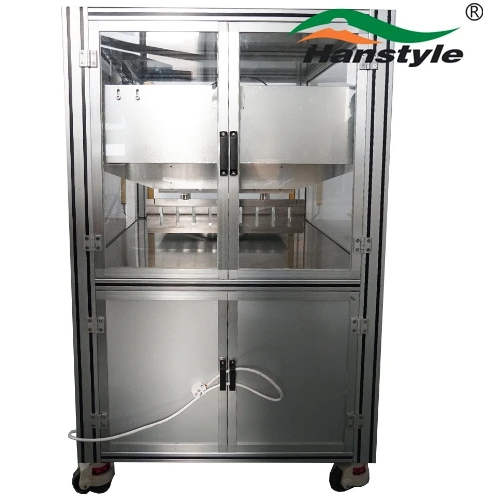
Introduction to food cutting machines
In the modern culinary world, precision and efficiency in cutting food are paramount. Food cutting machines have transformed kitchens, both domestic and commercial, by enhancing the speed and consistency of food preparation. Among the myriad of tasks these machines undertake, cutting meat into small pieces is particularly noteworthy. Meat processing requires specialized machinery to ensure consistent cuts, hygiene, and efficiency.
Mechanical Meat Grinders
● Basic Functionality and Design
Mechanical meat grinders are essential for anyone looking to process meat into very small pieces. These devices consist of a funnel through which the meat is fed, a screw conveyor that pushes the meat towards the cutting blades, and a series of plates that determine the size of the end product. The simplicity of design makes them easy to use and maintain.
● Manual vs. Electric Models
Manual meat grinders rely on human effort to turn the screw conveyor, making them suitable for small-scale or occasional use. They are inexpensive and do not require electricity, making them suitable for outdoor or portable applications. On the other hand, electric meat grinders automate the process, making them ideal for larger batches of meat. They offer higher power and speed, which translates to better efficiency and consistency.
● Suitable Use Cases
For domestic kitchens, a manual or small electric meat grinder suffices for routine meal preparations. In professional kitchens, electric grinders are preferred due to their capacity to handle larger volumes of meat. They are also ideal for making ground meat for sausages, burgers, and other meat-based dishes.
Food Processors for Meat Cutting
● Versatility in Kitchen Tasks
Food processors are multi-functional machines that go beyond simple chopping. They can slice, dice, shred, and even knead dough, making them a versatile tool in the kitchen. When equipped with the right blade and attachment, food processors can efficiently cut meat into small pieces.
● Blade Variations and Attachments
The effectiveness of a food processor in cutting meat largely depends on the blades and attachments used. Standard S-blades are great for coarse chopping, while specialized discs and grids can provide finer cuts. Some models also offer meat grinder attachments that can further refine the texture of the meat.
● Efficiency and Speed
Food processors are incredibly fast, reducing the preparation time significantly. They are especially useful when dealing with multiple ingredients that need to be processed differently yet simultaneously. For instance, a chef can use the machine to chop vegetables while another attachment handles the meat.
Deli Slicers
● Precision Cutting for Thin Slices
Deli slicers, also known as meat slicers, are primarily used for cutting thin, even slices of meat. The machine features a circular, rotating blade that ensures precision with each slice. This precision makes deli slicers indispensable in settings where the aesthetics and uniformity of the meat presentation are critical.
● Use in Commercial Settings
In delis, butcher shops, and restaurants, deli slicers are a staple. They are not just limited to meat; these machines can also slice cheese, vegetables, and even bread, making them incredibly versatile. Their ability to produce consistent slices quickly makes them ideal for high-volume environments.
● Comparisons to Home Usage
While deli slicers are commonly found in commercial settings, compact versions are available for home use. These models offer the same precision but are designed to be more user-friendly and occupy less space. They are perfect for households that frequently prepare charcuterie boards or need to slice large quantities of meat regularly.
Professional Meat Saws
● Types of Meat Saws
Professional meat saws, including band saws and circular saws, are used primarily in butchery. Band saws feature a continuous blade loop, ideal for cutting through large sections of meat and bone. Circular saws, with their rotating blade, are typically used for portioning and finer cuts.
● Applications in Butchery
Meat saws are indispensable in butcher shops and meat processing plants. They enable butchers to break down whole carcasses into manageable pieces quickly. These machines are designed to handle the rigorous demands of daily butchery, ensuring that the cuts are precise and uniform.
● Safety Features and Considerations
Given the inherent risks associated with using high-powered saws, safety is paramount. Modern meat saws come equipped with safety features such as blade guards, emergency stop buttons, and sensors that detect human contact and stop the blade instantly. Proper training and adherence to safety protocols are essential to prevent accidents.
Multi-Functional Kitchen Machines
● Food Choppers and Grinders in One
Multi-functional kitchen machines combine the capabilities of food choppers and grinders. These all-in-one devices can chop vegetables, grind meat, and even blend ingredients. They are designed to streamline food preparation by consolidating multiple functions into a single machine.
● Advantages of Multi-Purpose Machines
The primary advantage of multi-functional machines is their versatility. They save space in the kitchen by eliminating the need for separate appliances. Additionally, they can handle various tasks, making them a cost-effective solution for both home cooks and professional chefs.
● Limitations and Compromises
While multi-functional machines offer several benefits, they may not perform each task as efficiently as specialized equipment. For instance, a dedicated meat grinder might produce finer meat pieces compared to a multi-functional device. Users must weigh the convenience of having an all-in-one machine against the potential trade-offs in performance.
Innovative Technologies in Meat Cutting
● Laser Cutters and Automated Slicers
Innovative technologies are continually being integrated into meat cutting machinery. Laser cutters, for instance, provide unparalleled precision by using laser beams to slice through meat. Automated slicers incorporate advanced algorithms to ensure uniform cuts while minimizing waste.
● Impact of Technology on Precision
Technological advancements enhance the precision and efficiency of meat cutting machines. Automated systems reduce human error, ensuring that each cut meets the desired specifications. These technologies are particularly beneficial in commercial settings where consistency and speed are critical.
● Future Trends in Meat Cutting Machinery
The future of meat cutting machinery lies in further automation and the integration of artificial intelligence. Smart machines capable of self-adjusting based on the type and size of meat being processed will become more prevalent. Additionally, advancements in materials and design will result in machines that are more durable, efficient, and easy to maintain.
Factors to Consider When Choosing a Machine
● Price vs. Performance
When selecting a food cutting machine, it's essential to find a balance between price and performance. High-end models offer advanced features and greater durability, but they come with a higher price tag. Users must assess their specific needs and determine whether investing in a premium machine is justified.
● Ease of Cleaning and Maintenance
Ease of cleaning and maintenance is another crucial factor. Machines that are easy to disassemble and clean help maintain hygiene, particularly important when processing meat. Additionally, machines that require minimal maintenance reduce downtime and extend the equipment's lifespan.
● Brand Reputation and Warranty
Choosing a machine from a reputable food cutting machine manufacturer ensures reliability and quality. Established brands often provide better customer support and comprehensive warranties, offering peace of mind. It's advisable to research manufacturers and read customer reviews before making a purchase.
Safety Tips and Best Practices
● Proper Usage Guidelines
Following proper usage guidelines is vital for ensuring safety and achieving the best results. Users should read the instruction manual thoroughly and adhere to the manufacturer's recommendations. Regularly sharpening blades and avoiding overloading the machine are essential practices.
● Regular Maintenance for Longevity
Regular maintenance extends the lifespan of food cutting machines. This includes cleaning the machine after each use, inspecting components for wear and tear, and lubricating moving parts as needed. Scheduled maintenance not only ensures optimal performance but also prevents costly repairs.
● Common Safety Risks and How to Avoid Them
Using food cutting machines comes with certain risks, such as cuts, electrical hazards, and mechanical failures. To mitigate these risks, users should wear appropriate safety gear, such as cut-resistant gloves, and ensure the machine is properly grounded. Additionally, keeping hands and loose clothing away from moving parts and following safety protocols can prevent accidents.
Conclusion and Recommendations
● Summary of Key Points
Food cutting machines play a crucial role in modern kitchens, offering efficiency, precision, and versatility. From mechanical meat grinders to advanced laser cutters, various machines cater to different needs and settings. Selecting the right machine involves considering factors such as price, performance, ease of maintenance, and safety.
● Personal Recommendations
For home use, a versatile food processor or a compact electric meat grinder is often sufficient. Professional kitchens and butcheries may benefit from specialized equipment like deli slicers and meat saws. Multi-functional machines offer a balance of versatility and convenience, making them a practical choice for diverse culinary tasks.
● Final Thoughts on Choosing the Right Machine
Investing in the right food cutting machine can significantly enhance food preparation processes. By understanding the unique features and benefits of each type of machine, users can make informed decisions that align with their culinary needs and budget. Whether for home cooking or commercial use, the right machine ensures consistent, high-quality results.
Company Introduction: Hanspire
Hangzhou Hanspire Automation Co., Ltd., established in 1993, stands out in the machinery casting, post-press equipment manufacturing, and ultrasonic technology industries. Located in Fuyang District, Hangzhou City, Hanspire spans an impressive 20,000 square meters with a substantial investment of 80 million RMB. The company employs over 150 individuals and boasts state-of-the-art facilities, including advanced casting and forging production lines. Hanspire Automation prides itself on quality and innovation, adhering to the philosophy that quality determines the future. With a strong domestic and international presence, Hanspire continues to lead in providing reliable and high-quality machinery and ultrasonic equipment solutions.