


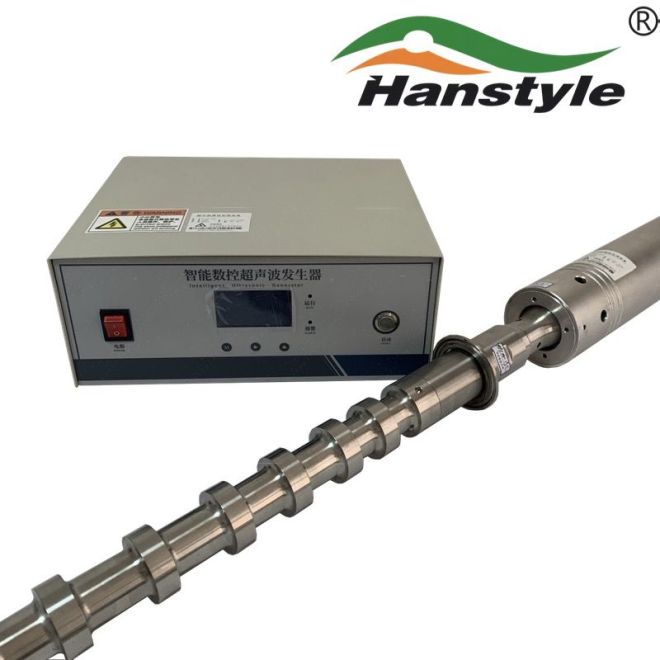
Understanding ultrasonic liquid processors
Ultrasonic liquid processors have become pivotal in cleaning and processing sensitive materials. These devices utilize high-frequency sound waves to create cavitation bubbles in a liquid medium, which implode to remove contaminants from surfaces. The gentle yet thorough cleaning action makes ultrasonic processors particularly appealing to industries requiring meticulous cleaning standards.
Mechanism of Ultrasonic Cleaning
The operation of ultrasonic cleaners is based on generating sound waves that propagate through a liquid. These sound waves produce alternating high and low-pressure cycles. During the low-pressure cycle, tiny bubbles form, and during the high-pressure cycle, these bubbles collapse. This implosion generates a micro-jet of cleaning energy, effectively lifting contaminants from the surfaces of even the most intricate materials.
Safety Concerns for Sensitive Materials
While the technology is effective, manufacturers, factories, and suppliers must consider the safety implications for sensitive materials. The high-energy process can potentially damage delicate items if not properly controlled. Key factors such as frequency, power, and solution compatibility play a significant role in ensuring safe usage.
Material Compatibility and Risks
Ensuring an ultrasonic cleaner is compatible with particular materials involves understanding the material properties. Sensitive items like printed circuit boards, delicate jewelry, and medical instruments have different thresholds for ultrasonic energy. Manufacturers must evaluate these thresholds to avoid micro-cracks or degradation.
Precision Cleaning of Delicate Items
The precision cleaning capability of ultrasonic processors is advantageous for many industries. This meticulous approach is essential in sectors where even microscopic residue can affect product functionality.
Applications in Medical and Optical Fields
Ultrasonic cleaning is indispensable in the medical field for cleaning surgical instruments and in the optical industry for maintaining lenses. The non-abrasive nature of the method ensures the integrity of sensitive surfaces while achieving a high degree of cleanliness.
Appropriate Cleaning Solutions
Choosing the right cleaning solution is critical to the effectiveness and safety of the ultrasonic cleaning process. The solution must be formulated to enhance the cavitation process without causing harm to the materials.
Non-Caustic and Biodegradable Solutions
Suppliers often recommend solutions that are non-caustic and biodegradable to protect sensitive items and the environment. These solutions facilitate effective cleaning while reducing chemical residues. Ensuring the solution matches the material's needs is a priority for factories and manufacturers.
Frequency and Power Considerations
Applying the correct frequency and power settings is essential for the safe cleaning of sensitive materials. Ultrasonic cleaners operate at frequencies typically ranging from 20 kHz to 200 kHz, with the higher frequencies being gentler on surfaces.
Optimizing Cleaning Efficiency
Adjusting these parameters can prevent damage and enhance cleaning efficiency. Suppliers often provide guidelines on optimal settings based on material type and contamination level, ensuring safe operation within recommended boundaries.
Best Practices for Ensuring Safety
Adhering to best practices when operating ultrasonic liquid processors enhances safety for sensitive materials. Proper setup, routine maintenance, and adherence to operational guidelines are key aspects.
Routine Maintenance and Monitoring
Regular maintenance of ultrasonic equipment includes checking transducers and ensuring solution levels are adequate. Continuous monitoring prevents equipment malfunctions, which can impact the cleaning process and material safety.
Innovations and Technological Advancements
Recent advances in ultrasonic technology have expanded the horizon for processing sensitive materials safely. Factories and manufacturers are continually improving equipment features to enhance performance while ensuring safety.
Smart Integration and Automation
The integration of smart technology allows for automation and precision control, reducing human error. Advances in sensor technology enable real-time monitoring of process parameters, assuring consistent output quality.
Case Studies on Sensitive Material Cleaning
Numerous case studies highlight the efficacy and safety of using ultrasonic processors for sensitive materials. These instances underscore the importance of tailored solutions and adherence to manufacturer guidelines.
Successful Applications in Various Industries
Industries ranging from electronics to pharmaceuticals have reported success in maintaining high cleanliness standards for sensitive products. These cases demonstrate the practicality and necessity of ultrasonic technology in maintaining industry standards.
Benefits vs. Risks Analysis
A balanced analysis of benefits versus risks solidifies the role of ultrasonic processors in modern cleaning practices. While the potential for damage exists, careful control and adherence to guidelines mitigate these risks.
Maximizing Benefits
Sustaining an optimal balance requires continuous evaluation and adjustment of cleaning parameters. Manufacturers and suppliers must provide adequate training and resources to ensure users maximize benefits while minimizing risks.
Hanspire Provide Solutions
Hanspire offers comprehensive solutions for integrating ultrasonic technology safely and effectively into cleaning processes for sensitive materials. Our team provides tailored advice on selecting appropriate cleaning solutions, optimizing ultrasonic equipment settings, and implementing routine maintenance protocols. By prioritizing these factors, we ensure manufacturers and suppliers achieve unparalleled cleaning results while safeguarding the integrity of sensitive materials.
