


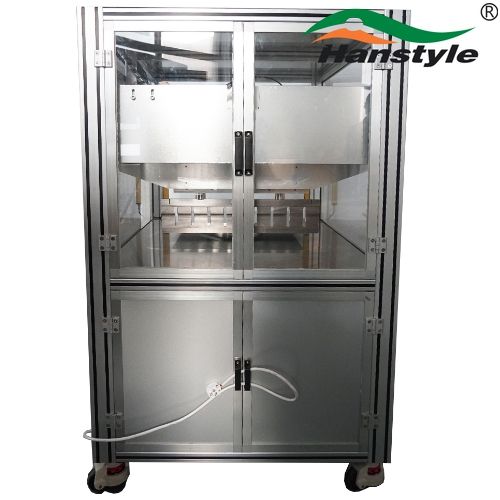
Introduction to Ultrasonic Rubber Cutting
Ultrasonic rubber cutting has emerged as a revolutionary technology applicable across various industries. This method utilizes high-frequency ultrasonic vibrations, providing precise and clean cuts with minimal material waste. The technology is widely adopted by manufacturers, suppliers, and wholesalers seeking efficiency, precision, and innovation in their production processes.
Ultrasonic Cutting Technology Explained
Ultrasonic cutting involves vibrating a blade at frequencies between 20 to 40 kHz. This vibration reduces the resistance of rubber materials, allowing for precise and efficient slicing. The ultrasonic technology stands out due to its ability to cut complex shapes and varying thicknesses, proving indispensable for manufacturers handling diverse rubber types.
Advantages of Ultrasonic Cutting Technology
Ultrasonic cutting technology offers several compelling advantages over traditional cutting methods. Precision, speed, and versatility make it an attractive choice for manufacturers and suppliers aiming to enhance their production capabilities.
Precision and Clean Cuts
Ultrasonic cutters achieve unparalleled precision by using vibrations to minimize friction and heat. This results in smooth, clean edges that reduce the need for post-processing. Manufacturers benefit from reduced material wastage and higher-quality finished products, making ultrasonic cutting the preferred choice for precision-focused industries.
Efficiency and Speed
The technology facilitates faster cutting processes, significantly reducing production time. The high-speed vibrations ensure that cuts are made swiftly and accurately, which is critical for suppliers and wholesalers looking to streamline operations and increase throughput.
Integration with Automated Systems
The ability to seamlessly integrate ultrasonic cutting systems into automated production lines is a significant advantage. Manufacturers and suppliers benefit from increased operational efficiency and reduced labor costs.
Automation-Ready Features
Ultrasonic cutting equipment is designed to work effortlessly with existing automation systems. This compatibility is achieved through smart adapters and alignment options, allowing for quick and easy installation. The result is a cohesive production environment that reduces downtime and enhances scalability.
Versatility in Material and Design
One of the standout features of ultrasonic cutting technology is its versatility. It can handle various rubber materials, including synthetic and natural types, catering to the diverse needs of manufacturers and suppliers.
Adaptability to Different Shapes and Thicknesses
Whether dealing with simple designs or intricate shapes, ultrasonic cutters can adapt to various thickness levels. This adaptability ensures that suppliers can meet customer demands for custom and complex product designs without compromising on quality or efficiency.
Technical Aspects and Engineering Innovations
Ultrasonic cutting technology boasts several engineering innovations that enhance its functionality and reliability. These innovations are vital for manufacturers and suppliers looking to maintain high standards in their production processes.
Advanced Blade and Horn Technology
Incorporating advanced materials such as titanium and carbide, ultrasonic cutters are engineered for durability and precision. The design minimizes blade flexure, ensuring consistency and reliability in every cut, which is crucial for maintaining supplier standards.
Optimized Sonotrode Design
The sonotrode, an essential component of the ultrasonic cutter, is optimized using finite element analysis. This optimization reduces resistance and prevents material contamination, offering manufacturers a clean and efficient cutting process.
Comparing Ultrasonic and Traditional Cutting Methods
While traditional cutting methods have their place, ultrasonic technology offers distinct advantages that align with the needs of modern manufacturers and suppliers.
Energy Consumption and Efficiency
Ultrasonic cutting consumes less energy than traditional methods. The vibrations allow for lower pressure application, reducing overall energy expenditure without compromising cutting quality. This efficiency benefits suppliers and wholesalers seeking cost-effective and sustainable solutions.
Cut Quality and Material Integrity
Unlike mechanical cutting methods that may cause fraying or material damage, ultrasonic cutting preserves the integrity of the rubber. This preservation is crucial for maintaining the aesthetics and functionality of the final product.
Application in Various Industries
Ultrasonic cutting technology is applicable across numerous sectors, each benefiting from its precision and adaptability. From automotive to aerospace, the technology meets diverse industry requirements.
Automotive and Aerospace Applications
In the automotive industry, ultrasonic cutters are used to create precise components critical for vehicle performance. Similarly, in aerospace, the ability to cut carbon fiber and composite materials with precision is invaluable. Suppliers in these industries rely on ultrasonic technology for high-quality outcomes.
Textile and Electronic Component Manufacturing
The technology's ability to prevent fraying makes it ideal for textiles, while its precision ensures that electronic components are manufactured with exacting standards. This versatility allows suppliers to cater to a broad range of market demands with confidence.
Challenges and Considerations
While ultrasonic cutting technology offers many benefits, manufacturers and suppliers must consider certain challenges to maximize its potential.
Initial Investment and Technical Training
The initial cost of implementing ultrasonic cutting systems can be a consideration for some manufacturers. However, the long-term benefits often outweigh the initial expenditure. Adequate training ensures that employees can operate and maintain the equipment effectively, which is essential for maximizing production benefits.
Material Compatibility
Not all materials may be suitable for ultrasonic cutting. Suppliers must evaluate the compatibility of their materials with ultrasonic technology to ensure optimal cutting performance and quality.
Future Trends in Ultrasonic Cutting
The future of ultrasonic cutting technology holds promise for further enhancements and innovations that will continue to benefit manufacturers, suppliers, and wholesalers.
Advancements in Automation and AI Integration
The integration of artificial intelligence and further automation into ultrasonic cutting systems is anticipated to enhance precision and efficiency. These advancements will allow suppliers to better customize and optimize their production processes.
Expanding Material Applications
Developments in material science may see ultrasonic cutting technology applied to even more materials. Suppliers and manufacturers can expect greater flexibility and options in their production capabilities as the technology evolves.
Conclusion: The Precision of Ultrasonic Cutters
Ultrasonic cutting technology stands out as an efficient, precise, and versatile method for rubber cutting. It supports manufacturers, suppliers, and wholesalers with its clean cuts, reduced waste, and energy efficiency. By continuing to embrace this technology, businesses can maintain a competitive edge in their respective industries.
Hanspire Provide Solutions
At Hanspire, we specialize in delivering cutting-edge solutions tailored to the needs of manufacturers, suppliers, and wholesalers. Our ultrasonic cutting systems are designed to integrate seamlessly into your production line, enhancing precision and efficiency. We offer comprehensive support and training, ensuring you can maximize the benefits of ultrasonic technology. Whether you're looking to improve product quality or increase throughput, Hanspire provides the expertise and equipment to help you achieve your goals.
User hot search: ultrasonic rubber cutter