


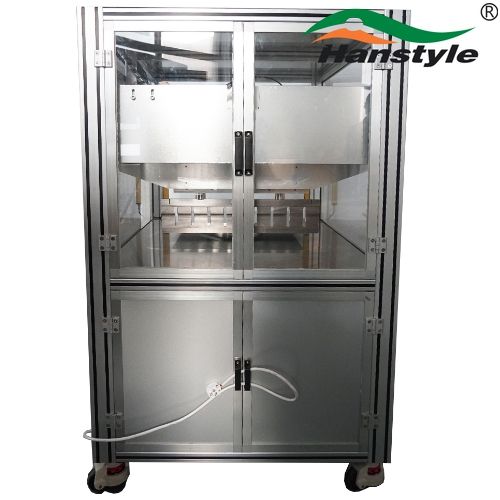
Importance of Regular Maintenance for Cutting Machines
Automatic Food Cutting machines have become indispensable in the modern kitchen, whether in a commercial setting or at home. Regular maintenance is crucial to ensure these machines perform optimally and last longer. Neglecting maintenance can lead to decreased efficiency, increased wear and tear, and even safety hazards.
Understanding Your Food Cutting Machine
Components of the Machine
To effectively maintain your food cutting machine, it's essential to understand its components. Common parts include the blade, motor, carriage, food tray, and control panel. Familiarity with these components can help diagnose issues and ensure proper care.
Instructions from the Manufacturer
Always refer to the manufacturer’s manual for specific instructions on maintenance procedures. This documentation often contains insights into the machinery's design, recommended cleaning techniques, and safety precautions tailored for your specific model.
Essential Cleaning Practices After Each Use
Daily Cleaning Routine
After every use, it is critical to clean the machine to remove food residues. Wipe the blade, carriage, and surrounding areas with a damp cloth and a mild detergent. Rinse and dry all surfaces thoroughly to prevent corrosion.
Safety First
Ensure that the machine is turned off and unplugged before beginning any cleaning process. This prevents electrical hazards and accidental injury from moving components.
Deep Cleaning and Its Necessity
Periodic Thorough Cleaning
In addition to daily cleaning, schedule deep cleanings to maintain hygiene and functionality. This involves disassembling parts of the machine to clean areas where food particles might accumulate over time. Follow the supplier’s guidelines to avoid damage during disassembly and reassembly.
Tools and Detergents
Use specific cleaning tools and food-safe detergents recommended by the factory for best results. This ensures no harmful residues stay on parts that come in contact with food.
Blade Maintenance and Sharpening
Maintaining Sharpness
The blade is a key component that requires regular care to maintain its sharpness. A dull blade can affect the quality of cuts and increase the load on the machine's motor.
Sharpening Schedule
Sharpen the blade at least once a week using a sharpening stone. Set a regular schedule for blade inspection and sharpening to avoid uneven slicing and reduce the risk of accidents.
Lubricating Moving Parts
Friction Reduction
Lubrication is essential for reducing friction in moving parts, which helps reduce wear and tear. Apply a food-safe lubricant to the sliding and movable parts of the slicer, but make sure to avoid over-lubrication, which can attract dust and debris.
Recommended Lubricants
Consult the supplier’s recommendations for the appropriate lubrication products. Using the wrong lubricant can lead to equipment damage or food contamination.
Regular Inspection for Wear and Tear
Identify Potential Issues Early
- Inspect the machine regularly for signs of wear and tear.
- Look for loose screws, worn components, or unusual noises during operation.
Preventive Action
Address any issues discovered during inspections promptly to prevent more significant problems down the line.
Safety Measures During Machine Operation
Operator Training
Ensure that all operators are trained on the machine’s functionalities and safety protocols. Proper training can prevent misuse and accidents.
Protective Gear
When operating the machine, wear appropriate protective gear, such as gloves, to minimize the risk of injury.
Addressing Common Operational Issues
Troubleshooting Steps
- If the machine becomes jammed, check for food obstructions around the blade and clear them.
- Uneven cuts may indicate the need for blade sharpening or adjustment of the thickness settings.
When to Contact a Professional
Consider calling a professional service if mechanical issues persist or for tasks like complex repairs and professional sharpening, as suggested by the factory.
Professional Maintenance Services
Advantages of Professional Services
While regular self-maintenance is essential, professional services can provide more comprehensive care. Professionals have the expertise to maintain the machine's integrity and extend its lifespan.
Choosing a Service Provider
Select a maintenance service with a solid reputation and familiarity with the specific equipment model you are using.
Hanspire Provide Solutions
Hanspire offers specialized maintenance solutions tailored for automatic food cutting machines, ensuring optimal performance and durability. Our team of experts is trained to handle various models and provide comprehensive care, from routine maintenance to complex repairs. With Hanspire, you can ensure your equipment remains efficient and safe, minimizing downtime and extending the lifespan of your investment. Trust us for reliable, professional service that enhances your kitchen operations.
