


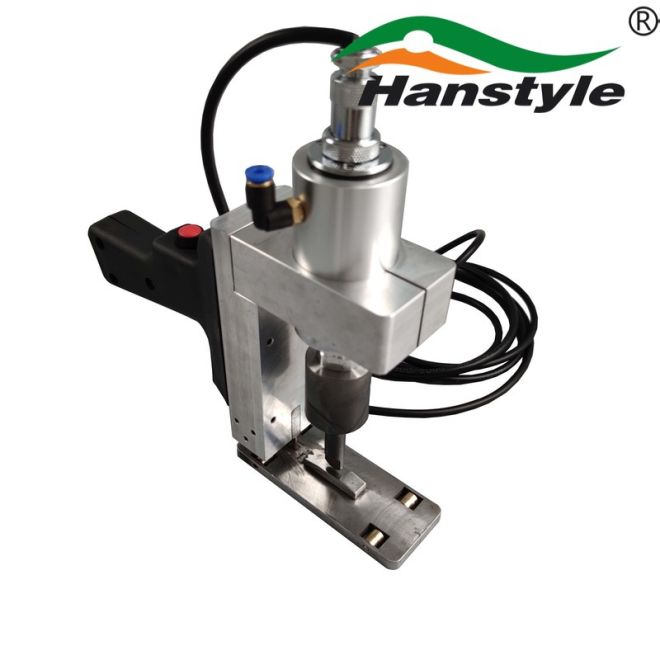
Introduction to Ultrasonic Rubber Cutting
The evolution of technology has ushered in innovative solutions in various industries, and cutting techniques are no exception. Among these, ultrasonic cutting has emerged as a prominent method, especially for materials like rubber. Ultrasonic rubber cutters offer distinct advantages over traditional cutting methods, revolutionizing the way manufacturers and suppliers approach this task.
Understanding Ultrasonic Cutting Technology
The Principle of Ultrasonic Cutting
Ultrasonic cutting operates by generating high-frequency ultrasonic vibrations, typically ranging from 20 kHz to 40 kHz. These vibrations are transmitted to a cutting blade, which oscillates rapidly, creating microscopic friction that facilitates precise cuts. This advanced technique allows the blade to easily penetrate materials like rubber without significant deformation.
Ultrasonic Equipment Configuration
The ultrasonic cutting system consists of key components such as the ultrasonic generator, transducer, booster, and cutting blade. The generator converts electrical energy into ultrasonic waves, which the transducer then transforms into mechanical vibrations. The booster amplifies these vibrations, transmitting them to the blade to produce the cutting action that manufacturers rely on for high precision.
Efficiency and Precision in Ultrasonic Cutting
High-Precision Cuts
Ultrasonic rubber cutting achieves exceptional precision. The oscillating blade minimizes friction, resulting in clean and accurate cuts without tearing or fraying the material. This precision is critical for manufacturers and suppliers dealing with intricate designs and patterns.
Enhanced Production Speed
The efficiency of ultrasonic cutters significantly reduces cutting time. Compared to traditional methods, ultrasonic cutting enhances throughput, allowing factories to maintain high production rates while ensuring superior quality.
Ultrasonic Cutting for Complex Materials
Versatility of Ultrasonic Cutting
Ultrasonic cutting is versatile and effective for a wide range of materials beyond rubber, including textiles, composites, and thermoplastics. This flexibility makes it invaluable for industries requiring diverse material processing capabilities.
Handling Difficult-to-Cut Materials
- Minimal deformation ensures the integrity of delicate materials.
- The low friction cutting capability is suitable for sticky or elastic materials.
This versatility and efficiency make ultrasonic cutting an ideal solution for suppliers dealing with a variety of challenging materials.
Comparison: Ultrasonic vs Traditional Cutting Methods
Traditional Cutting Methods
Traditional cutting often involves using sharp edges to shear materials, which can lead to material deformation and less accurate cuts. These methods may struggle with softer materials like rubber, necessitating more frequent blade replacements and maintenance.
Advantages of Ultrasonic Cutting
- Reduces material waste and improves yield rates.
- Significantly lessens the physical stress on both the operator and the material.
- Prolongs the lifespan of cutting tools due to reduced wear.
Applications in Various Industries
Automotive and Aerospace
In sectors where precision and material integrity are paramount, such as automotive and aerospace, ultrasonic cutting ensures reliable production of components that meet stringent specifications. Factories in these industries benefit from the technology's ability to cut intricate shapes without compromising material integrity.
Textiles and Composites
- Reduces edge fraying in textiles, enhancing quality.
- Simplifies the processing of composite materials, leading to better bonding and structural performance.
Safety Considerations and Maintenance
Operational Safety
Ultrasonic cutters are designed with safety features that prevent the blade from activating unless in contact with the material. Proper training for operators further enhances workplace safety, making it important for suppliers to provide comprehensive guidance.
Maintenance Practices
- Regular blade and stack inspection to prevent wear and damage.
- Consistent cleaning to maintain equipment performance and longevity.
Adhering to these maintenance best practices ensures the durability and reliability of ultrasonic cutting systems.
Environmental and Efficiency Benefits
Reduced Energy Consumption
Ultrasonic cutting systems consume less energy compared to some traditional cutting methods. This not only results in cost savings for manufacturers but also aligns with sustainable manufacturing practices.
Minimal Waste Production
The precision of ultrasonic cutting minimizes material waste, contributing to environmentally conscious production. Suppliers can benefit from reduced material costs and improved resource utilization.
Challenges and Limitations of Ultrasonic Cutting
Initial Investment Costs
While ultrasonic cutting offers numerous advantages, the initial cost of equipment can be a barrier for some manufacturers. However, the long-term savings in maintenance and operation often justify this investment.
Material Limitations
- Not all materials respond equally to ultrasonic cutting.
- Requires careful consideration of material properties and thickness.
Understanding these limitations is crucial for factories and suppliers aiming to integrate ultrasonic technology effectively.
The Future of Cutting Technology
Integration with Automation
The compatibility of ultrasonic cutting with automated systems offers exciting possibilities for future developments in manufacturing. Automation enhances consistency and reduces the need for manual intervention, increasing production efficiency.
Ongoing Technological Advancements
Continuous improvements in ultrasonic technology promise even greater precision and versatility. Manufacturers and suppliers who embrace these advancements will find themselves better equipped to meet evolving industry demands.
Hanspire Provide Solutions
At Hanspire, we specialize in providing state-of-the-art ultrasonic cutting solutions tailored to meet the diverse needs of manufacturers and suppliers. Our advanced systems are designed to enhance production efficiency, ensure material precision, and reduce operational costs. With a focus on innovation and quality, Hanspire supports factories in achieving their manufacturing goals while maintaining safety and environmental standards. Connect with us today to discover how our ultrasonic cutting technology can be integrated into your industrial processes, offering unmatched precision and efficiency.
User hot search: Ultrasonic Rubber Cutting machine