


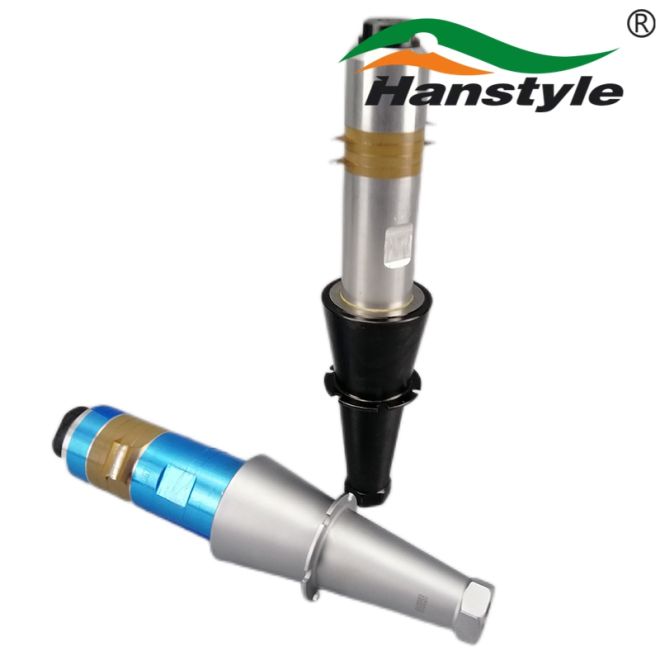
Introduction to Ultrasonic Transducers
Ultrasonic transducers have revolutionized numerous industries by enabling precise measurements and non-invasive testing methods. Operating at frequencies above the human hearing range, these devices convert electrical signals into ultrasonic waves and vice versa. A 25khz ultrasonic transducer is a specific type of transducer that operates at a frequency of 25,000 cycles per second, making it ideal for applications that require moderate power and precise measurement capabilities.
Understanding 25kHz Ultrasonic Frequency
Operating at 25kHz, these ultrasonic transducers produce sound waves that are not audible to the human ear but are highly effective in various applications. The choice of 25kHz is strategic; it offers a balance between energy levels and penetration depth. This frequency is well-suited for tasks requiring moderate force without sacrificing accuracy, making these transducers popular in both industrial and consumer applications.
Frequency Impact on Performance
At 25kHz, the ultrasonic waves generated have a wavelength of approximately 13.6 millimeters in air, allowing for effective transmission over moderate distances and enabling precision in measurements. This frequency is particularly useful in environments where precise distance or material thickness measurements are required.
Components of an Ultrasonic Transducer
The ultrasonic transducer consists of several key components, each playing an essential role in its function. Understanding these components helps in selecting the right transducer for specific applications, whether you are a wholesale buyer, manufacturer, or supplier.
Active Element
The active element, typically made of piezoelectric material, is the heart of any ultrasonic transducer. It converts electrical energy into mechanical vibrations, which in turn produce ultrasonic waves. In a 25kHz transducer, this element is precisely engineered to resonate at the desired frequency, ensuring optimal performance.
Backing and Wear Plate
The backing absorbs any vibrations moving away from the active element, preventing interference with the outgoing ultrasonic waves. The wear plate, on the other hand, protects the delicate components from environmental damage, ensuring the transducer's longevity and reliability.
Conversion of Electrical to Ultrasonic Energy
The process of converting electrical energy into ultrasonic waves involves several steps, crucial for the transducer's operation. This conversion is central to the transducer's ability to perform tasks ranging from simple distance measurement to complex material analysis.
Piezolelectric Effect
The piezoelectric effect is the principle through which the transducer's active element converts electrical signals into mechanical energy. When a voltage is applied, the piezoelectric material changes shape, producing ultrasonic waves at the desired frequency.
Electrical Circuitry
Advanced electrical circuitry governs the operation of ultrasonic transducers. This circuitry modulates the input electrical signals, ensuring they align with the resonant frequency of the piezoelectric element, thus maximizing efficiency and output.
Applications in Non-Destructive Testing
Ultrasonic transducers are pivotal in non-destructive testing (NDT), a method used to assess the properties of materials or structures without causing damage. A 25kHz transducer is particularly effective in detecting flaws or inconsistencies in materials.
Material Testing
In industries where material integrity is critical, suppliers and manufacturers rely on these transducers to conduct tests that ensure safety and quality. The 25kHz frequency allows for detailed internal assessments without compromising the material's structure.
Structural Analysis
Whether inspecting pipelines or aircraft components, a 25kHz ultrasonic transducer provides precise data on structures' internal states. This capacity is essential for maintaining the safety and longevity of critical infrastructure.
Role of Transducer Resolution and Sensitivity
The resolution and sensitivity of ultrasonic transducers define their performance. These parameters are essential for applications that require detail and accuracy, such as in medical diagnostics or precision engineering.
Resolution in Measurement
Resolution refers to the transducer's capability to differentiate between two closely spaced targets. A 25kHz transducer offers a high resolution, making it suitable for tasks that require distinguishing between small gaps or thin layers.
Sensitivity to Subtle Changes
Sensitivity is the transducer's ability to detect minute changes in the material or environment. The 25kHz frequency ensures that even minor flaws or variations are identifiable, providing critical data to manufacturers and suppliers for quality control.
Working Principle in Distance Measurement
Distance measurement is one of the primary applications of 25kHz ultrasonic transducers. These devices utilize the time-of-flight principle to determine the distance between the transducer and an object.
Time-of-Flight Calculation
The transducer sends an ultrasonic pulse towards the target and measures the time taken for the echo to return. Using the speed of sound in the given medium, it calculates the distance, providing precise measurements useful in various industries.
Advantages Over Infrared Sensors
While infrared sensors are commonly used for similar applications, ultrasonic transducers offer distinct advantages. Operating at 25kHz, these devices are not affected by environmental factors like dust or background light.
Environmental Resilience
The ability to function in adverse conditions makes 25kHz transducers an attractive choice for manufacturers and suppliers needing reliable performance in challenging environments. This resilience ensures continuous operation without interference.
Greater Accuracy and Reliability
Compared to infrared sensors, ultrasonic transducers provide higher accuracy and consistency in measurements, crucial for applications where precision is non-negotiable.
Impact of Frequency on Cleaning Efficiency
Ultrasonic transducers are integral to cleaning technologies, such as ultrasonic cleaners. The 25kHz frequency is particularly effective for cleaning robust parts and removing tough contaminants.
Cavitation Process
The transducers produce ultrasonic waves that cause cavitation bubbles in the cleaning solution. These bubbles implode, generating forces that effectively dislodge dirt and grime from complex surfaces.
Cleaning Diverse Materials
The versatility of 25kHz ultrasonic cleaners makes them suitable for various materials, from metals to plastics, ensuring thorough cleaning without causing damage.
Factors Affecting Transducer Performance
Several factors can influence the performance of a 25kHz ultrasonic transducer, from its design to the operating environment. Understanding these factors is vital for suppliers aiming to provide consistent quality.
Temperature and Medium
The medium through which ultrasonic waves travel, and its temperature, can significantly affect the transducer's effectiveness. Adjusting these variables helps optimize transducer performance.
Transducer Design
The design, including the choice of materials and construction techniques, directly impacts the efficiency and durability of the transducer, important considerations for wholesale buyers.
Hanspire Provide Solutions
At Hanspire, we offer comprehensive solutions for integrating 25kHz ultrasonic transducers into your processes. Our advanced transducers are designed to meet the demands of precision measurement and effective cleaning across various industries. Whether you are a manufacturer, supplier, or wholesale buyer, our products are manufactured with the highest quality standards to ensure reliability and performance. Contact us to discuss how we can tailor our solutions to meet your specific needs and help streamline your operations effectively.
