


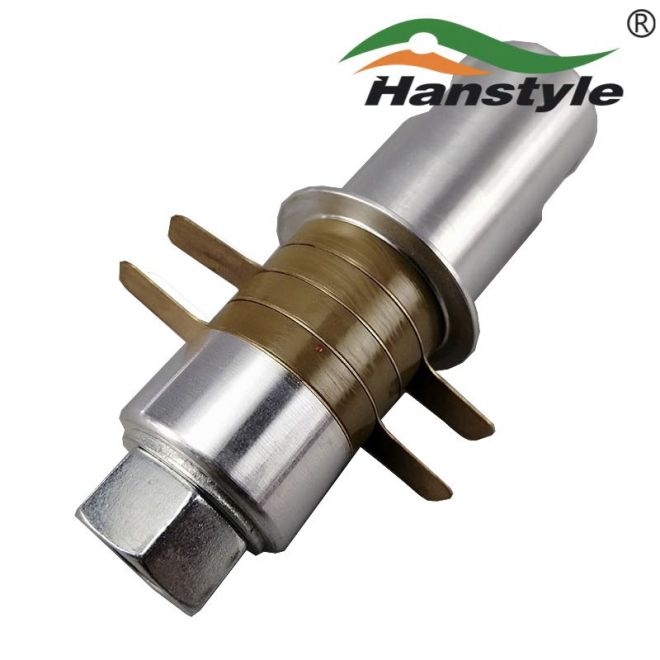
Introduction to ultrasonic sensors
Ultrasonic sensors have become a critical component in various industries, offering a non-invasive method to measure distances, detect objects, and identify obstacles. These sensors use sound waves at frequencies higher than the human hearing range to accomplish tasks that are essential in both industrial and consumer applications. Manufacturers, factories, and suppliers rely on these sensors for their accuracy and reliability in different environments.
Ultrasonic Sensor Basics
At the core, ultrasonic sensors function by emitting ultrasonic waves and measuring the reflection or echo to calculate the distance of an object. The time taken for the waves to return is directly proportional to the distance, allowing for precise calculations. Knowing the basic mechanics helps in understanding how accuracy is achieved and the factors influencing it.
Working Principle of Ultrasonic Sensors
The fundamental operation of ultrasonic sensors revolves around the transmission and reception of sound waves. These sensors, often used by manufacturers, emit a sound pulse and listen for its echo. The time it takes for the sound to return is used to compute the distance. This principle allows for applications ranging from distance measurement to material thickness evaluation in factories.
Transducers and Their Role
An ultrasonic sensor includes a transducer that converts electrical energy into sound waves and vice versa. The precision and quality of these transducers directly affect the sensor's accuracy. Suppliers often focus on improving transducer efficiency to ensure high measurement accuracy.
Factors Affecting Ultrasonic Sensor Accuracy
Several variables can influence the precision of ultrasonic sensors. Understanding these factors is crucial for manufacturers and factory operators who rely on these devices for critical measurements.
Environmental Conditions
Temperature, humidity, and air pressure can all impact the speed of sound, thereby affecting the accuracy of ultrasonic sensors. Factories in diverse climates must account for these variables to maintain precise measurements. Proper sensor housing and compensation algorithms can help mitigate these environmental effects.
Object Characteristics
The surface texture, shape, and material of the object being measured can also influence the sensor’s accuracy. Smooth, flat surfaces reflect sound waves more predictably than irregular or absorbent surfaces. Suppliers often provide guidelines for optimal object conditions to ensure accurate readings.
Calibration and Adjustment Techniques
Regular calibration is vital to maintaining the accuracy of ultrasonic sensors. This process aligns the sensor’s output with known standards, minimizing measurement errors.
Calibration Procedures
Calibration involves comparing the sensor's measurements with a known reference and adjusting the sensor's settings accordingly. Manufacturers often have detailed procedures and equipment for performing these calibrations to ensure consistency and reliability in factory environments.
Adaptive Algorithms
Modern ultrasonic sensors incorporate algorithms that continuously adjust for environmental changes, enhancing accuracy. These algorithms can be updated by suppliers to improve performance over time, addressing evolving industrial needs.
Comparing Ultrasonic Sensors to Other Technologies
Ultrasonic sensors are often compared to other types of sensors like infrared and laser. Each technology has its own advantages and limitations, and the choice depends on specific application requirements.
Benefits Over Competing Technologies
Ultrasonic sensors are unaffected by the color and transparency of an object, unlike infrared sensors, and are generally more cost-effective than laser-based systems. Suppliers highlight these advantages when recommending ultrasonic solutions to factory operators.
Limitations to Consider
While ultrasonic sensors are versatile, they can struggle with soft materials that absorb sound and high-frequency noise environments that interfere with signal clarity. Manufacturers often address these issues through design improvements and additional features.
Innovations in Ultrasonic Sensor Technology
The field of ultrasonic sensor technology is continually evolving, with manufacturers developing new methods to enhance accuracy and versatility.
Advanced Signal Processing
Recent advancements in signal processing technology have improved the precision of ultrasonic sensors. Enhanced filtering techniques allow for more accurate readings in noisy environments, a common challenge in factory settings.
Miniaturization and Integration
The trend toward smaller, more integrated sensor designs allows for easier incorporation into a wide variety of applications. This miniaturization increases the flexibility for manufacturers and opens up new uses in confined spaces.
Challenges in Achieving High Accuracy
Manufacturers face several obstacles in enhancing the accuracy of ultrasonic sensors. Addressing these challenges is key to expanding their application range.
Interference and Crosstalk
Interference from other ultrasonic sources can lead to erroneous readings, while crosstalk between sensors can further complicate measurement accuracy. Suppliers frequently develop shielding and isolation strategies to combat these issues in factory applications.
Power Consumption Versus Accuracy
Achieving high accuracy often requires more power, presenting a challenge for battery-powered devices. Manufacturers must balance these demands to remain competitive in the market.
Real-World Accuracy of Ultrasonic Sensors
In practical applications, ultrasonic sensors demonstrate varying levels of accuracy. Manufacturers often specify accuracy levels in their datasheets under controlled conditions.
Industry Benchmarks
For typical distance measurement applications, ultrasonic sensors can achieve accuracy levels within 1% of the true measurement under ideal conditions. This precision makes them suitable for many industrial tasks where certain tolerances are acceptable.
Application-Specific Considerations
Accuracy can differ significantly based on the application, with some sensors designed for specific scenarios such as liquid level measurement or proximity sensing. Suppliers tailor their products to meet the unique needs of these applications.
Future Prospects for Ultrasonic Sensors
Ultrasonic sensors continue to evolve, with manufacturers investing in research to enhance their capabilities and address current limitations.
Trends in Sensor Technology
Emerging trends include the integration of artificial intelligence for better signal interpretation and increased adaptability. Manufacturers also focus on expanding the frequency range of sensors to improve versatility.
Opportunities for Growth
The continued growth in automation and smart technology offers new opportunities for ultrasonic sensors. As factories become more automated, the demand for accurate, reliable sensors is expected to rise, prompting innovation from suppliers.
Conclusion: Assessing Ultrasonic Sensor Accuracy
Ultrasonic sensors offer a reliable and accurate solution for various industrial and consumer applications. Although challenges remain, ongoing advancements in technology and calibration techniques continue to enhance their performance. Manufacturers, factories, and suppliers play critical roles in developing and deploying these sensors, ensuring their effectiveness in real-world applications.
Hanspire Provide Solutions
Hanspire specializes in providing high-accuracy ultrasonic sensors tailored to your specific needs. Our advanced calibration techniques ensure optimal performance in diverse environments. By focusing on innovative solutions and comprehensive support, Hanspire enables manufacturers, factories, and suppliers to achieve unparalleled precision in their measurement applications. Contact us to learn how our ultrasonic sensor solutions can enhance your operations and deliver accurate results across varied applications.
