


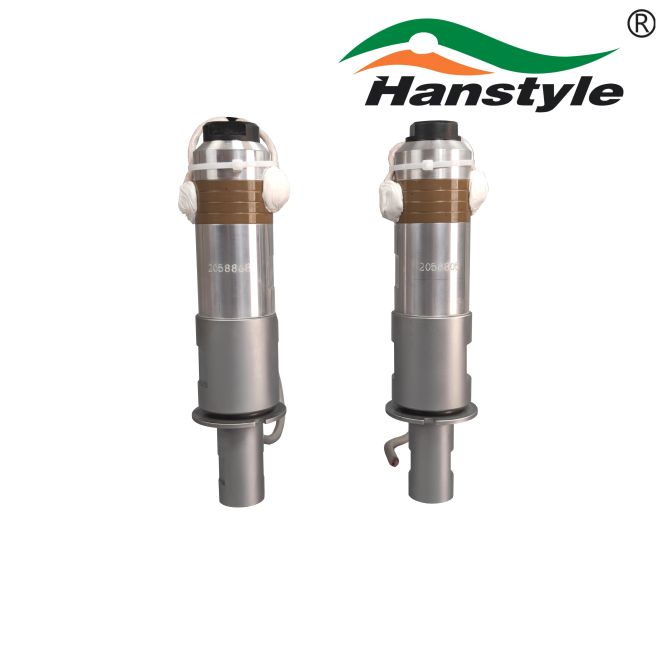
Introduction to Ultrasonic Technology
Ultrasonic technology operates on sound waves with frequencies above the human hearing range, typically exceeding 20 kHz. The core components of this technology include ultrasonic transmitters and receivers, essential in generating and capturing ultrasonic waves. These components are used across numerous industries due to their ability to transmit data and measure distances with high precision. Ultrasonics is valued for its non-invasive nature, capable of penetrating materials without causing harm or requiring contact.
Importance of Frequency and Wavelength
The efficiency of ultrasonic waves is heavily reliant on frequency and wavelength. The higher the frequency, the shorter the wavelength, enabling the waves to detect smaller objects and features. Frequencies for industrial applications often range between 20 kHz to several gigahertz, allowing for diverse functionalities.
Applications in Medical Imaging
Medical ultrasound, a prominent use of ultrasonic technology, involves the integration of transmitters and receivers to create images of internal body structures. These images help in diagnosing a host of medical conditions without the need for invasive procedures.
Benefits in Prenatal Care
In prenatal care, ultrasound is an indispensable tool. Through its use, health professionals can observe fetal development, detect abnormalities, and monitor pregnancies, providing essential data for healthcare providers.
Role in Industrial Testing and Quality Control
In the industrial sector, ultrasonic transmitters and receivers play a crucial role in non-destructive testing (NDT) and quality control. This allows manufacturers, suppliers, and wholesale distributors to ensure the integrity and durability of their products without damaging them.
Non-destructive Evaluation Techniques
Ultrasonic testing techniques include flaws detection in welds, metal thickness measurement, and composite inspection. Frequencies ranging from 1 to 15 MHz are often employed, depending on the specifics of the material and the level of detail required.
Ultrasonics in Distance Measurement
Ultrasonic devices are extensively used in distance measurement applications. They calculate distances by measuring the time it takes for ultrasonic waves to travel to an object and return to the receiver.
Applications in Smart Devices
Many modern devices employ ultrasonic sensors for automatic distance measurement, enhancing functionalities like gesture recognition and object detection, with accuracies often within millimeters.
Use in Automotive Parking Sensors
The automotive industry utilizes ultrasonic transmitters and receivers in parking sensors, providing drivers with signals to prevent collisions. These sensors measure the proximity of objects around the vehicle.
Improving Vehicle Safety
Ultrasonic sensors activate at speeds below 10 km/h, providing real-time feedback to the driver. Their effective range generally spans from a few centimeters to several meters, aiding in precision during parking maneuvers.
Applications in Robotic Navigation
Robots leverage ultrasonic technology for navigation and obstacle detection. This aids in autonomous movement and environmental interaction, especially in dynamic and complex surroundings.
Enhancing Precision in Robotics
Ultrasonic sensors provide precise distance and speed measurements, crucial for robotics where exact position and movement are essential for task execution.
Contributions to Environmental Monitoring
Ultrasonic transmitters and receivers contribute substantially to environmental monitoring by assessing air quality and detecting pollutants in various ecosystems.
Wildlife and Habitat Protection
In wildlife preservation, ultrasonic sensors help track animal movement and habitat changes. They gather data critical for conservation efforts and ecological studies.
Advances in Animal Research and Wildlife Monitoring
Ultrasonics is invaluable in animal research. Devices equipped with ultrasonic sensors aid in monitoring animal health and behavior without physical restraint, providing researchers with comprehensive behavioral data.
Understanding Animal Ecosystems
Animal research facilities utilize ultrasonic technology to understand interactions within ecosystems. This data is vital for studying species-specific communication and behavior patterns.
Enhancements in Ultrasonic Cleaning
Ultrasonic cleaning harnesses high-frequency sound waves to remove dirt and contaminants from objects, used widely by manufacturers, suppliers, and wholesale distributors for maintaining product quality.
Effective Cleaning Solutions
Ultrasonic cleaning systems operate at frequencies between 20 kHz and 400 kHz. They are efficient at cleaning complex geometries, without the risk of abrasion or damage often associated with traditional cleaning methods.
Future Trends and Innovations
The future of ultrasonic technology promises even greater innovations, with ongoing research focusing on expanding its applications and improving efficiency and precision.
Integration with Smart Technologies
Ultrasonic sensors are expected to become integral components in smart technology applications, enhancing automation, smart homes, and IoT devices by providing robust sensory data and control capabilities.
Hanspire Provide Solutions
Hanspire is committed to delivering state-of-the-art ultrasonic solutions tailored to various industry needs. As a leading manufacturer and supplier, we offer a broad range of ultrasonic transmitters and receivers for diverse applications. Our products are designed to enhance precision, reliability, and efficiency, ensuring the highest standards of quality and performance. By partnering with us, wholesale distributors and individual clients gain access to innovative technologies that drive growth and operational excellence.
User hot search: ultrasonic transmitter and receiver