


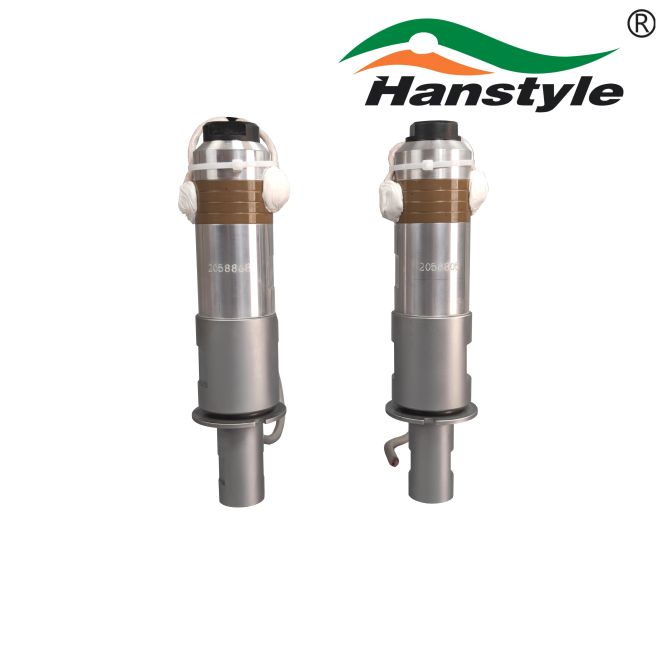
Understanding high power ultrasonic transducers
Basic Principles and Applications
High power ultrasonic transducers operate within a frequency range from 1 to 200 kHz. These devices are integral components of ultrasonic systems used in various applications, such as cleaning, welding, and medical imaging. The effectiveness of these transducers depends largely on their power output, which typically falls between 100 to 2000 watts, depending on the application. Ultrasonic transducers convert electrical energy into mechanical vibrations through piezoelectric materials, creating ultrasonic waves used for precision tasks.
Key Components and Functionality
Understanding the anatomy of high power ultrasonic transducers is crucial for proper maintenance and repair. These devices primarily consist of a piezoelectric element, a backing material, wear plates, and electrodes. The piezoelectric element generates mechanical vibrations, while the backing material ensures sound waves are directed appropriately. Wear plates protect the transducer from physical impact and erosion.
Common Failures in Ultrasonic Transducers
Identifying Typical Issues
Transducers may face several common issues such as reduced ultrasonic intensity, failure to adjust power, or complete operational failure. These failures can stem from electrical faults, mechanical wear, or inadequate installation. Suppliers and factory technicians should be well-versed in diagnosing these issues to ensure optimal performance and longevity.
Impact of Faulty Components
Common faulty components include cracked piezoelectric elements, short-circuited electrodes, and damaged wear plates. These defects can significantly impair transducer efficiency, leading to suboptimal ultrasonic wave generation. Wholesale suppliers often incorporate rigorous quality checks to mitigate these issues, though they can still occur due to extended use or improper handling.
Diagnosing Transducer Issues Effectively
Utilizing Diagnostic Tools
Several tools are available for diagnosing transducer issues effectively. Frequency analyzers and impedance meters are commonly used to assess the performance of ultrasonic transducers. By comparing the measured frequency and impedance to the expected values, technicians can identify discrepancies that indicate specific problems within the system.
Step-by-Step Diagnosis Process
- Measure the transducer frequency using a frequency analyzer. A deviation from the nominal range (e.g., 27-31 kHz for a 28k transducer) signals potential faults.
- Inspect the current using an ammeter. Abnormal readings could indicate bonding failure or short-circuits in the vibration plate.
- Evaluate the power adjustment mechanism to ensure smooth operation, replacing components like the triode T5 as needed.
Critical Factors in Transducer Installation
Importance of Proper Positioning
Correct installation of ultrasonic transducers is vital to maximize their effectiveness. Improper positioning can lead to uneven sound field distribution and undesired vibrations. Installers must consider tank structure, transducer count, and placement symmetry to ensure optimal sound wave dispersion.
Guidelines for Optimal Setup
Transducers should be mounted securely, with all connections double-checked to prevent misalignment. The installation should allow for easy access in case repairs or adjustments become necessary. Attention to these details aids in preventing the system inefficiencies that can occur due to improper setup.
Heat Management in Ultrasonic Systems
Role of Cooling Mechanisms
High power ultrasonic transducers generate significant heat during operation. Effective heat dissipation is essential to prevent overheating, which can lead to component damage or system failure. Radiators and air cooling systems can be integrated to keep the temperature within safe operational limits.
Strategies to Combat Overheating
- Ensure proper placement of heat sinks and radiators to facilitate effective cooling.
- Implement fan systems to enhance airflow around the transducer assembly.
- Utilize thermal grease at contact points to improve heat transfer efficiency.
The Role of Ultrasonic Generators and Power Supplies
Distinction Between Self-Excitation and Other Modes
Ultrasonic generators serve as the power source for transducers. They can be classified based on excitation modes: self-excitation and other excitation types. Self-excited generators often deliver less power than their counterparts, impacting overall transducer performance. Factory and wholesale suppliers must balance cost and performance when selecting generators for specific applications.
Maintenance of Power Supply Systems
Regular inspection of power supply components like the rectifier bridge and main capacitor is crucial. Ensuring these elements are in good condition prevents unexpected power fluctuations and prolongs system life. Suppliers should provide comprehensive training on maintaining these systems to ensure end-user satisfaction.
Repairing Ultrasonic Intensity Issues
Addressing Weak Ultrasonic Output
When ultrasonic intensity weakens, it is often due to deterioration in the piezoelectric element or electrical connections. By recalibrating the frequency regulation potentiometer, technicians can restore proper functionality. If glue or bonding failure is identified, reapplication or replacement of adhesive materials may be necessary.
Rebuilding Transducer Efficiency
Technicians can rebuild transducer efficiency by replacing compromised components with factory-supplied spares. Suppliers often offer wholesale packages, providing cost-effective options for large-scale maintenance operations. Regular calibration and testing ensure transducers continue to meet operational demands.
Power Adjustment and Control Challenges
Diagnosing Power Control Issues
Lack of adjustable power output can result from component failure, such as a short-circuited thyristor. Technicians should systematically test each part of the circuit using multimeters to identify defective components. Successful repairs typically restore full power adjustment capabilities without necessitating entire system replacements.
Optimizing Power Delivery
To optimize power delivery, it's essential to maintain the integrity of driving circuits and check for signs of overheating. Suppliers must ensure that components are compatible with each other, providing consistent performance and reducing downtime.
Comprehensive System Checks and Maintenance
Routine Maintenance Procedures
Regular maintenance is vital to prevent unexpected failures. This includes checking all connections, verifying component integrity, and performing routine system calibration. Establishing a detailed maintenance schedule helps in mitigating long-term issues for both suppliers and end-users.
Proactive Problem Prevention
Factory technicians should be aware of common wear points and stock necessary replacement parts. Proactive problem prevention includes environmental control, ensuring machines operate within recommended conditions to reduce the risk of moisture or dust affecting system components.
Preventive Measures for Longevity and Reliability
Implementing Effective Preventive Strategies
To maximize the lifespan of ultrasonic transducers, appropriate preventive measures such as ensuring proper storage conditions, regular cleaning, and timely component replacement should be employed. Suppliers are encouraged to provide in-depth maintenance training and resources to their clientele.
Benefits of Regular System Audits
Conducting regular system audits can identify potential issues before they manifest into significant problems. This practice not only enhances system reliability but also helps in maintaining production continuity, benefiting both small-scale suppliers and large factory settings.
Hanspire Provide Solutions
Hanspire delivers comprehensive solutions for the maintenance and repair of high power ultrasonic transducers. By providing high-quality replacement parts and tools, Hanspire supports optimal transducer performance. Our solutions include detailed training programs to equip factory technicians and suppliers with the skills necessary for efficient diagnostics and repairs. With an emphasis on quality and reliability, Hanspire stands as a trusted partner for all ultrasonic transducer needs.
