


Introduction to Ultrasonic Technology
Ultrasonic technology refers to the use of sound waves with frequencies above the human hearing range, typically greater than 20 kHz. This technology is pivotal in various industries, such as manufacturing, medical diagnostics, and electronic devices. The ability of ultrasonic waves to travel through different media with minimal loss makes them suitable for processes requiring precision and non-invasiveness.
Understanding ultrasonic converters
Function and Design
Ultrasonic converters are devices that transform electrical energy into mechanical vibrations or ultrasound. They consist of electrical circuits that receive input voltages and generate high-frequency signals which are then converted to mechanical energy. This transformation is vital in applications such as ultrasonic cleaning, welding, and cutting.
Technical Specifications
Ultrasonic converters can be optimized for specific frequencies, ranging from 20 kHz to over 400 kHz, depending on their application. The efficiency of a converter can exceed 85%, making them highly effective for industrial applications. Converters are integral to systems used in large-scale cleaning and precision manufacturing.
Exploring Ultrasonic Transducers
Components and Operation
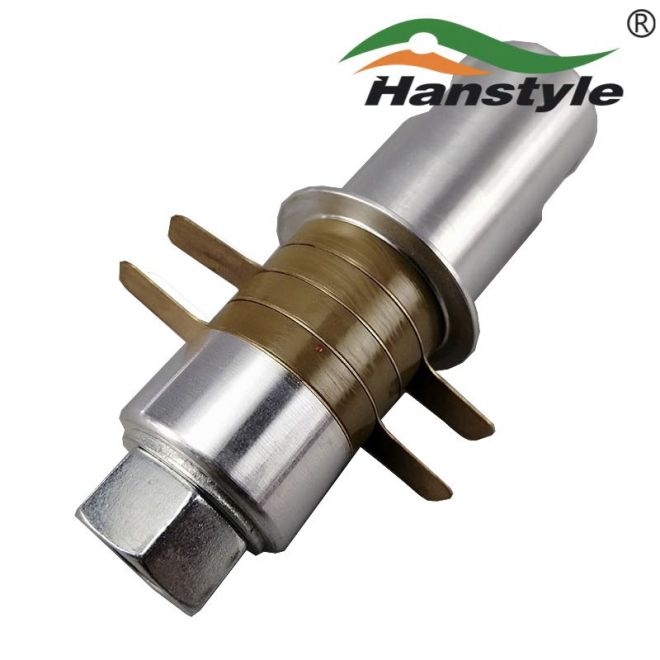
Transducers are key components that convert energy between different forms. In ultrasonic systems, they primarily convert electrical energy into acoustic energy and vice versa. The typical assembly includes piezoelectric ceramics sandwiched between metal electrodes, which oscillate when activated by a current.
Performance Metrics
Transducers are evaluated based on their frequency response and efficiency. A standard ultrasonic transducer operates at frequencies ranging from 20 kHz to several hundred kHz, with a focal zone width of approximately 1 mm. Their precision makes them indispensable in medical imaging and industrial testing.
Technical Differences Between Converters and Transducers
Energetic Transformation
While both devices are essential in ultrasonic technology, their roles differ. Converters transform electrical energy directly into mechanical vibrations, whereas transducers are responsible for the conversion between electrical and acoustic energy. This distinction underpins their applications in various fields.
Structural and Functional Distinctions
The structural design of converters includes complex circuitry optimized for energy transformation, whereas transducers focus on efficient energy transfer between forms. These differences define their roles in systems requiring precision, such as medical imaging devices and industrial sensors.
The Role of Boosters in Ultrasonic Systems
Amplification and Efficiency
Boosters are designed to increase the amplitude of ultrasonic waves generated by converters and transducers. By amplifying energy, boosters enhance the overall efficiency and effectiveness of ultrasonic systems. They are particularly crucial in applications demanding high power, such as cutting and welding.
Design and Function
Typical boosters consist of main rods and slave rods, which amplify the energy by a factor determined by the ratio of the connecting rods. For instance, a 2:1 ratio results in a twofold increase in amplitude, making boosters essential for high-intensity ultrasonic applications.
Applications and Advantages of Ultrasonic Converters
Industrial and Medical Uses
Ultrasonic converters are indispensable in numerous applications, including cleaning, welding, and medical diagnostics. Their ability to generate high-frequency vibrations allows them to clean intricate components in manufacturing and deliver precise imaging in healthcare.
Efficiency and Precision
Converters offer a high power conversion rate, often exceeding 85%, which optimizes energy usage in various applications. Their precision is crucial in fields like microelectronics manufacturing and medical device production.
Applications and Advantages of Ultrasonic Transducers
Versatility and Reliability
Ultrasonic transducers are versatile, used in applications ranging from sonar and medical imaging to industrial testing. Their reliability and ability to provide detailed feedback make them invaluable in environments where non-destructive testing is essential.
Performance in Diverse Conditions
Transducers can operate effectively in various environmental conditions, with protection ratings like IP50, IP65, and IP67. Their adaptability is beneficial in challenging settings, such as underwater exploration and harsh industrial environments.
Choosing the Right Frequency for Applications
Frequency Considerations
Selecting the correct frequency is crucial for the effectiveness of ultrasonic systems. Lower frequencies, around 20 kHz, are suitable for large-scale industrial applications, while higher frequencies are ideal for precision tasks in medical diagnostics and micro-manufacturing.
Material and Size Implications
The frequency chosen also depends on the material being worked upon. Thin materials require higher frequencies for efficient processing, whereas thicker materials are best suited for lower frequencies due to better penetration capabilities.
Comparative Analysis: Converters vs. Transducers
Key Differences
While converters and transducers may appear similar, their fundamental differences lie in their functional focus. Converters specialize in energy transformation, while transducers excel in energy transfer, highlighting their distinct roles in ultrasonic technology.
Impact on Manufacturing and Healthcare
In manufacturing, converters provide the necessary energy for operations such as welding and cutting, while transducers ensure precision in quality control and testing. In healthcare, converters enable precise diagnostic imaging, whereas transducers facilitate detailed analysis through efficient energy transmission.
Conclusion: Integrating Ultrasonic Components
Understanding the distinct roles and capabilities of ultrasonic converters and transducers is essential for optimizing their application across industries. By leveraging their unique strengths, businesses can enhance productivity, precision, and sustainability in their operations.
Hanspire Provide Solutions
Hanspire is committed to delivering comprehensive solutions in ultrasonic technology, whether you're looking for wholesale equipment, specialized manufacturing processes, or customized factory services. With expertise in both converters and transducers, Hanspire can enhance your operational efficiency and product quality. From consultation to implementation, Hanspire supports your business every step of the way, ensuring you achieve the desired outcomes in your ultrasonic applications.
