


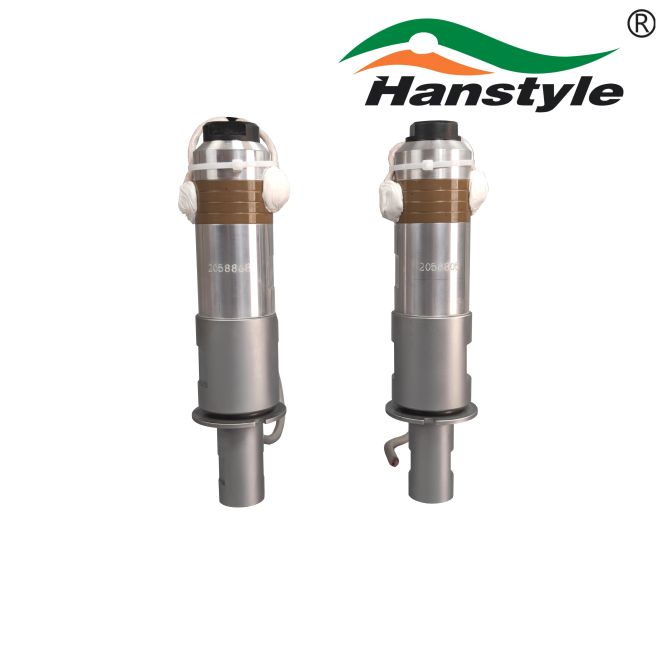
Introduction to piezoelectric ultrasonic Transducers
Piezoelectric ultrasonic transducers are essential components in various industrial and commercial applications. They are valued for their ability to convert electrical energy into mechanical waves. Understanding their lifespan is crucial for optimizing performance, cost-efficiency, and reliability. Piezoelectric transducers utilize materials like lead zirconate titanate (PZT), which possess unique electrical properties. These properties allow them to perform consistently across a broad range of frequencies, making them indispensable in fields like medical imaging, industrial cleaning, and sonar systems.
Construction and Materials
Core Components
The construction of a piezoelectric ultrasonic transducer involves several critical components, including the piezoelectric element, metal plates, and electrical connections. The piezoelectric element typically consists of PZT or a similar ceramic material. This element is sandwiched between two metal plates and connected with electrical wires, allowing it to expand and contract in response to an electrical current.
Material Properties
The choice of materials, especially the piezoelectric crystal, significantly influences the transducer's performance and lifespan. Manufacturers and suppliers often select PZT due to its high electromechanical coupling coefficient and stability over time. Additionally, advances in semiconductor ceramics have improved the durability and operational life of these transducers, enabling them to withstand millions of cycles without significant degradation.
Operational Efficiency and Performance
Frequency Range and Applications
Piezoelectric ultrasonic transducers operate efficiently at frequencies ranging from 25kHz to 170kHz. This wide frequency range allows them to be used in diverse applications, from medical diagnostics to precision cleaning. The ability to maintain consistent performance over such a range is a testament to their engineering and material quality.
Energy Conversion Efficiency
One of the standout features of piezoelectric transducers is their high energy conversion efficiency. Unlike magnetostrictive transducers, which convert energy in multiple steps, piezoelectric types directly transform electrical energy into mechanical energy with minimal heat loss. This single-step conversion process enhances the transducer's overall efficiency and longevity, reducing the likelihood of overheating and material fatigue.
Application Areas and Use Cases
Industrial and Commercial Uses
Piezoelectric ultrasonic transducers are employed across various industries. In the manufacturing sector, they are used for non-destructive testing and quality control. Factories and suppliers rely on these transducers to inspect welds and detect structural flaws without damaging the product. In the healthcare sector, they are integral to imaging applications such as ultrasound scans, providing clear, real-time images of internal body structures.
Specialized Applications
Beyond common industrial uses, piezoelectric transducers find applications in specialized fields like underwater acoustics and micro-electromechanical systems (MEMS). Their robustness and adaptability to different environments make them suitable for precise measurements and detailed data collection in challenging conditions.
Lifespan Factors and Durability
Material Selection and Processing
The lifespan of piezoelectric ultrasonic transducers is influenced by the quality of materials and the processing techniques used during manufacturing. High-quality ceramics and metals enhance durability, while advanced adhesives improve bonding strength. Suppliers prioritize using pre-aged semiconductor ceramics, ensuring that the components retain their effectiveness over time.
Environmental and Operational Conditions
Operating conditions, such as temperature and frequency of use, also impact transducer longevity. Piezoelectric transducers are designed to operate within specific temperature ranges; deviations can accelerate material wear. Regular maintenance and adherence to the manufacturer's operational guidelines can significantly extend the lifespan of these devices.
Advantages Over Magnetostrictive Transducers
Performance and Flexibility
Piezoelectric transducers offer several advantages over magnetostrictive types, particularly in performance and application flexibility. They operate over a broader frequency range and provide higher resolution and precision, making them more suitable for applications requiring detailed analysis and control.
Cost-Efficiency and Maintenance
The single-stage energy conversion process of piezoelectric transducers not only enhances efficiency but also reduces operational costs. Their simpler design leads to lower maintenance requirements and fewer instances of component failure, providing a better return on investment for manufacturers and suppliers.
Challenges and Limitations
Material Degradation
Despite their many advantages, piezoelectric transducers face challenges such as material degradation over time. The performance of piezoelectric crystals can be affected by prolonged exposure to high voltages or mechanical stresses, potentially leading to a decrease in sensitivity.
Operational Constraints
Certain environments can restrict the performance of piezoelectric transducers. For instance, extreme temperatures or highly corrosive settings may necessitate additional protective measures. Manufacturers continue to innovate in material science to mitigate these limitations and enhance transducer resilience.
Maintenance and Reliability
Routine Maintenance Practices
To maintain peak performance and prolong lifespan, regular maintenance of piezoelectric ultrasonic transducers is essential. This includes cleaning the metal plates, checking electrical connections, and ensuring the adhesive bonds remain intact. Manufacturers and suppliers often provide detailed maintenance manuals tailored to their specific products.
Reliability Metrics
Reliability metrics such as mean time to failure (MTTF) and mean time between failures (MTBF) are crucial for assessing transducer performance. High-quality piezoelectric transducers typically exhibit MTTF values exceeding thousands of hours, indicating robust reliability in varied applications.
Innovations in Piezoelectric Technology
Material Enhancements
Ongoing research into piezoelectric materials aims to improve transducer performance and durability. Recent developments include the introduction of new composite materials that offer enhanced electromechanical properties and resistance to environmental factors, increasing the operational lifespan.
Technological Advancements
Technological advancements, such as the integration of smart sensors into ultrasonic transducers, are revolutionizing the field. These innovations enable real-time monitoring of transducer performance and environmental conditions, allowing for predictive maintenance and reduced downtime.
Conclusion and Future Outlook
Piezoelectric ultrasonic transducers are invaluable across many sectors due to their efficiency, versatility, and reliability. Continued advancements in material science and technology will further enhance their performance and lifespan. For manufacturers and suppliers, investing in high-quality piezoelectric transducers ensures long-term benefits and competitive advantages in their respective fields.
Hanspire Provide Solutions
Hanspire offers comprehensive solutions for those seeking reliable piezoelectric ultrasonic transducers. Our products are crafted using premium materials and state-of-the-art technology to ensure exceptional performance and extended lifespan. Our expert team provides personalized support and tailored recommendations, helping you select the perfect transducer for your application. Whether you are a manufacturer or supplier, Hanspire is committed to delivering quality and innovation. Contact us today to learn more about our offerings and how we can meet your industry-specific needs.
