


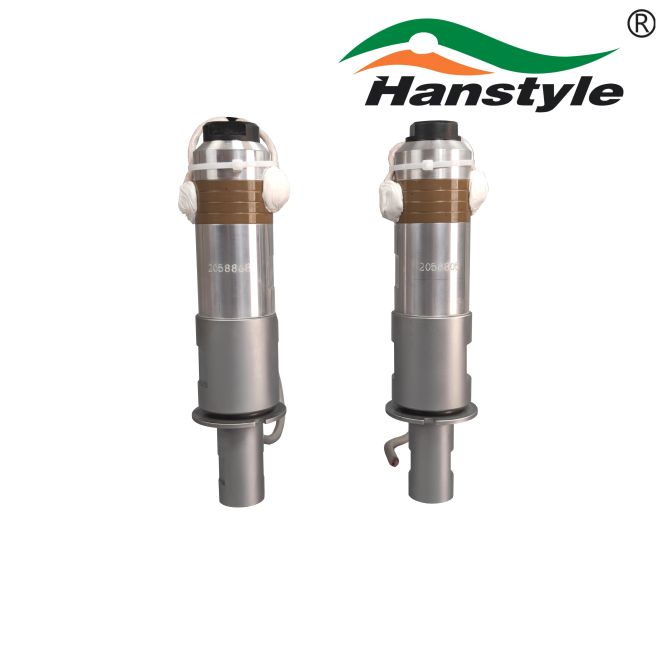
Introduction to ultrasonic converters in Medicine
Ultrasonic converters, commonly known as ultrasonic transducers, have revolutionized various industries, and medicine is no exception. These devices convert electrical energy into ultrasonic waves and vice versa, allowing for a range of applications including imaging, cleaning, and manufacturing within the medical field. The medical device factory environment continuously benefits from these advancements, enhancing both the efficiency and quality of production. A comprehensive understanding of how ultrasonic converters function and their applications is crucial for any medical device supplier or manufacturer.
Medical Device Applications of Ultrasonic Converters
Ultrasonic Imaging
Ultrasonic imaging is perhaps one of the most well-known applications of ultrasonic converters. This technology is essential in diagnosing and monitoring various medical conditions. Ultrasound frequencies used in medical imaging are typically between 2 and 18 MHz. The high-frequency waves provide detailed images of soft tissues, making them indispensable tools in prenatal scans and cardiac assessments. The accurate reproduction of images not only aids in diagnosis but also in planning treatment strategies.
Ultrasonic Welding in Medical Device Assembly
In the assembly of medical devices, ultrasonic welding is a key technique. This process employs high-frequency ultrasonic vibrations to weld materials without the addition of adhesives. It is particularly effective for medical device suppliers dealing with thermoplastics, creating strong, hermetic seals vital for products like catheters and insulin pumps. This method not only ensures product integrity but also meets the stringent sterilization standards required in the healthcare sector.
Ultrasonic Welding in Medical Device Manufacturing
Glue-Free Joining Technology
Ultrasonic welding is renowned for its glue-free joining capabilities, which are crucial in medical devices that come into direct contact with the body. The absence of chemical adhesives reduces the risk of adverse reactions, making devices safer for patients. This technology enhances the wholesale production quality of components like ostomy supplies and wearable health monitors, ensuring they meet regulatory standards.
Enhanced Production Efficiency
With ultrasonic welding, manufacturers can achieve faster production cycles and improved product quality. The technology's precision and speed make it ideal for large-scale production, reducing bottlenecks and increasing output. This efficiency is vital in a factory setting where supply chain demands can fluctuate. Additionally, reduced energy consumption during the welding process translates to lower operational costs, a significant benefit for any supplier.
Ultrasonic Cleaning and Its Applications
Effective Cleaning of Medical Devices
Ultrasonic cleaning is critical for ensuring the cleanliness and sterility of medical devices. Utilizing sound waves between 25 kHz and 40 kHz, ultrasonic cleaners remove contaminants from intricate parts that are otherwise difficult to clean. This includes residues from manufacturing or previous use, which can compromise device performance or patient safety. The process is highly effective for devices with complex geometries, such as surgical instruments and implants.
Environmentally Friendly Cleaning Solutions
Ultrasonic cleaning is an environmentally friendly alternative to traditional methods that rely on harsh chemicals. The cavitation process generated by ultrasonic waves ensures thorough cleaning with minimal chemical use. This is particularly advantageous for manufacturers seeking to adhere to green production standards and minimize their environmental footprint.
Benefits of Ultrasonics in Medical Device Manufacturing
Cost-Effective Production
The integration of ultrasonic technology in manufacturing processes offers substantial cost benefits. By streamlining production and minimizing waste, ultrasonic converters help factories reduce expenses while maintaining high-quality standards. This advantage is crucial for suppliers competing in a cost-sensitive market.
Enhanced Device Longevity
Devices manufactured with ultrasonic welding or cleaned using ultrasonic methods exhibit enhanced durability. The precision in welding ensures strong bonds, reducing the likelihood of device failure. Similarly, thorough cleaning maintains device functionality over extended periods, providing added value to both manufacturers and end-users.
Precision and Quality Control in Ultrasonics
Consistent Quality Assurance
The use of ultrasonic technology facilitates stringent quality control measures. In welding, the process is monitored digitally, with systems capable of recording up to 150 data points per weld. This level of control ensures that every product meets exact specifications, crucial for devices where precision is non-negotiable.
Process Optimization
Ultrasonic systems are designed to optimize efficiency and reduce variability in production. Monitoring parameters such as Overall Equipment Effectiveness (OEE) and process capability (CpK) allows manufacturers to identify and address inefficiencies promptly. This leads to maximal productivity with minimal defects, an essential factor for a successful supplier.
Safety and Skin Compatibility in Wearable Medical Devices
Improving Patient Comfort
The use of ultrasonic welding in wearable medical devices enhances patient comfort by eliminating the need for adhesives that may cause skin irritation. Products like glucose monitors and heart rate trackers benefit from this technology, providing reliable performance without compromising user comfort.
Meeting Regulatory Standards
Ultrasonic technology aids in meeting the stringent safety and regulatory standards imposed on medical devices. By ensuring chemical-free construction and thorough cleaning, manufacturers can confidently distribute products that comply with international health regulations.
Technological Innovations in Ultrasonic Transducers
Advances in Material Science
Recent advances in piezoelectric materials have significantly improved the performance of ultrasonic transducers. Materials like lead zirconate titanate (PZT) offer an optimal balance of sensitivity and affordability, making them the preferred choice for most medical applications. Continuous research into new compounds promises further enhancements in transducer efficiency and functionality.
Integration with Digital Technologies
The integration of ultrasonic transducers with digital technologies has opened new avenues in diagnostics and treatment. Digital imaging, combined with sophisticated software, allows for real-time monitoring and detailed analysis, aiding physicians in making informed decisions.
Diagnostic Use of Ultrasound with Ultrasonic Transducers
Non-Invasive Diagnostic Tools
Ultrasonic transducers play a vital role in non-invasive diagnostic procedures. Their ability to capture detailed internal images without exposing patients to radiation makes ultrasound a preferred choice for numerous diagnostic applications, such as examining soft tissue structures and vascular systems.
Real-Time Monitoring Capabilities
The real-time imaging capabilities of ultrasound are invaluable in clinical settings. Surgeons and healthcare providers rely on these tools for procedures requiring precision and immediate feedback, such as needle placement or evaluating organ health during surgery.
Future Prospects of Ultrasonics in Healthcare
Expanding Applications
The potential applications of ultrasonics in healthcare continue to expand, with ongoing research exploring its use in fields such as oncology and regenerative medicine. As ultrasonic technology evolves, its role in innovative treatment solutions is expected to grow significantly.
Challenges and Opportunities
While ultrasonic technology offers numerous benefits, challenges such as cost and complexity in manufacturing remain. However, opportunities for increased automation and artificial intelligence integration present pathways for overcoming these hurdles, promising a dynamic future for ultrasonic applications in healthcare.
Hanspire Provide Solutions
Hanspire offers advanced ultrasonic solutions for medical device manufacturers, ensuring high-quality standards and efficiency in production processes. Our products are designed to integrate seamlessly into your existing production lines, reducing costs and improving output. With a commitment to innovation and sustainability, Hanspire stands as a reliable partner for all your ultrasonic needs. Contact us to learn how our solutions can enhance your operations and meet the demands of the modern healthcare industry.
