


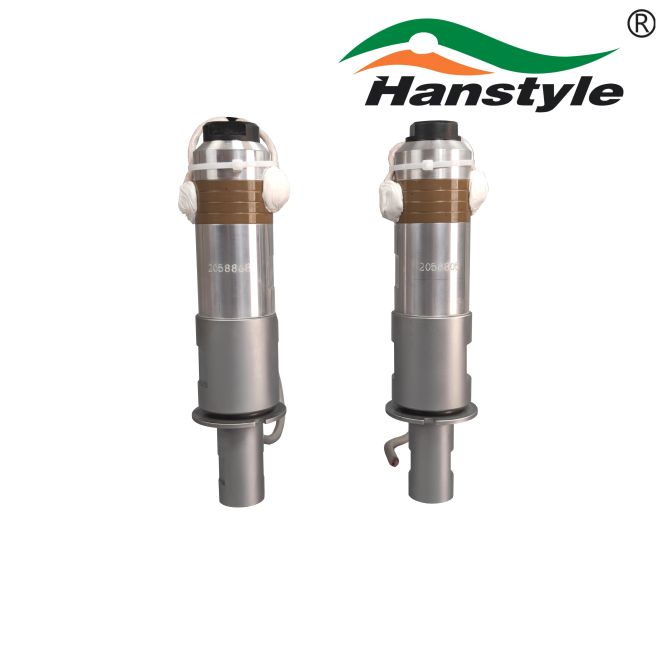
ultrasonic transducers are fundamental components in the realm of medical imaging and industrial applications. Understanding how to maintain these devices is crucial for ensuring optimal performance and longevity. Whether you're sourcing from a wholesale ultrasonic transducer supplier or dealing with a reputable ultrasonic transducer manufacturer, this guide will provide comprehensive insights into transducer upkeep. The maintenance of ultrasonic transducers is a precise art, combining knowledge, scrutiny, and adherence to best practices. This article explores essential maintenance tips for ultrasonic transducers, ensuring you maximize their utility and extend their operational lifespan.
Introduction to Ultrasonic Transducer Maintenance
● Importance of Regular Maintenance
Regular maintenance of ultrasonic transducers is not merely a recommendation—it's a necessity. Given the intricate design and delicate components of these devices, preventative measures help avoid costly repairs and ensure consistent functionality. Regular maintenance extends the lifespan of transducers and preserves their performance quality, critical in both medical diagnostics and industrial inspections. Without systematic care, even components from the most renowned ultrasonic transducer factory or supplier may falter, leading to increased operational costs and potential downtime.
● Overview of Common Transducer Issues
Understanding common issues that affect ultrasonic transducers can preemptively address potential failures. Frequent problems include damage to the probe connector, acoustic lens deterioration, strain relief failures, and cable wear. Recognizing these issues early prevents further degradation and maintains the transducer’s efficacy. Whether purchased from a wholesale ultrasonic transducer distributor or directly from an ultrasonic transducer manufacturer, recognizing and addressing these issues can safeguard against significant malfunctions.
Key Components of Ultrasonic Transducers
Ultrasonic transducers consist of several crucial components, each requiring careful attention during maintenance. By understanding the function and vulnerabilities of each part, users can perform more effective inspections and maintenance.
● Probe Connector, Cable, and Strain Relief
The probe connector, cable, and strain relief are key areas prone to damage due to frequent use and handling. They require regular inspection to ensure integrity and functionality.
● Acoustic Lens and Probe Housing
The acoustic lens and probe housing are critical to delivering high-quality imaging. Maintaining their condition is essential for producing accurate and reliable results.
Inspecting the Probe Connector
● Identifying Bent, Broken, or Missing Pins
The probe connector is vital for signal transmission. During an inspection, look for any bent, broken, or missing pins, which can severely affect performance. Ensuring that all connections are intact and secure is crucial for the device's functionality.
● Ensuring Proper Locking Knob Function
The locking knob is another component that demands attention. A malfunctioning locking knob can lead to unstable connections, resulting in poor image quality or signal loss. Regular checks ensure the knob operates correctly, maintaining the connector's reliability.
Evaluating the Acoustic Lens
● Checking for Cuts, Chips, and Discoloration
The acoustic lens is integral to image quality. Regular inspections should focus on identifying cuts, chips, discoloration, and other forms of damage. These imperfections can degrade image clarity and accuracy, affecting diagnostic outcomes.
● Understanding Impact on Image Quality
Damage to the acoustic lens directly impacts image quality. Ensuring its pristine condition is not only crucial for accurate diagnostics but also for maintaining the device’s reputation if supplied by an ultrasonic transducer manufacturer. Immediate action should be taken if any abnormalities are noted.
Assessing Strain Relief and Cable
● Identifying Cuts, Tears, and Separation
Strain relief and cable are susceptible to physical and chemical wear. Identifying cuts, tears, or separations early can prevent more severe damage. Proper handling and regular inspection are vital to avoid these common issues, especially in environments with heavy transducer usage.
● Preventing Cable Damage and Chemical Wear
To prevent cable damage, proper storage and handling practices should be implemented. Avoiding exposure to harsh cleaning chemicals and physical damage can significantly extend the cable's life. Collaborating with an ultrasonic transducer supplier for the provision of high-quality cables can further mitigate these risks.
Examining Probe Housing for Damage
● Recognizing Gaps, Cracks, and Discoloration
Probe housing is an essential protective component of the transducer. Regular examinations should be conducted to identify any gaps, cracks, or discoloration. These indicators of damage can compromise the transducer’s protective integrity, leading to internal damage.
● Ensuring Proper Seal Integrity
The integrity of the seal is paramount to preventing moisture and contaminants from penetrating the device. Ensuring a tight seal is crucial for maintaining the internal components' performance and longevity, a standard emphasized by every reputable ultrasonic transducer factory.
Preventive Maintenance Best Practices
● Safe Disinfection and Storage Techniques
Following safe disinfection and storage techniques is integral to ultrasonic transducer maintenance. Cleaning should adhere to manufacturer guidelines to prevent chemical damage, while proper storage prevents environmental harm.
● Importance of Regular Inspections
Scheduled inspections are crucial for identifying early signs of wear or damage. Proactively addressing these issues ensures continuous, reliable performance and protects the transducer investment.
When to Seek Professional Repair Services
● Signs Your Transducer Needs Professional Attention
Certain signs indicate when a transducer requires professional repair. Persistent issues like image fuzziness, signal loss, or physical damage beyond minor repairs warrant expert intervention. Engaging with a professional ultrasonic transducer supplier or repair service ensures precise diagnostics and effective solutions.
● Advantages of Professional Repair Services
Professional repair services offer advanced diagnostic tools and expertise that general users may lack. They can provide comprehensive repairs, extending the transducer's lifespan and ensuring optimal performance. Collaborating with an established ultrasonic transducer manufacturer or repair service guarantees the highest repair standards.
Additional Tips for Extending Transducer Life
● Routine Care to Enhance Longevity
Implementing routine care measures significantly extends the life of ultrasonic transducers. Regular cleaning, correct handling practices, and frequent inspections are simple yet effective strategies to prolong the device’s operational life.
● Balancing Maintenance and Operational Demands
Balancing routine maintenance with operational demands is essential for maximizing the utility of ultrasonic transducers. Establishing a maintenance schedule that minimally impacts operational workflows ensures uninterrupted service and prolonged device lifespan.
Conclusion and Final Recommendations
● Summary of Key Maintenance Tips
Maintaining ultrasonic transducers involves meticulous care and attention to detail. Key practices include regular inspections, adherence to safe cleaning protocols, and knowing when to seek professional help. These strategies preserve device integrity and ensure consistent performance, whether sourced from an ultrasonic transducer factory or a wholesale supplier.
● Encouragement for Proactive Care and Professional Support
Proactive care and regular professional support can stave off major repairs and extend the life of ultrasonic transducers significantly. Establishing a collaborative relationship with a trusted ultrasonic transducer supplier ensures access to quality components and professional advice, facilitating the upkeep of these invaluable devices.
---
Company Introduction: Hanspire
Founded in 1993, Hangzhou Hanspire Automation Co., Ltd. has established itself as a leader in the machinery casting industry and ultrasonic technology sector. Located in Fuyang District, Hangzhou City, Hanspire boasts extensive facilities covering 20,000 square meters. The company has integrated cutting-edge ultrasonic automation equipment into its production lines, enhancing its portfolio and market reach. With a commitment to quality and innovation, Hanspire Automation continues to lead in technological advancements, offering reliable solutions and custom services in the ultrasonic industry.
