


Introduction
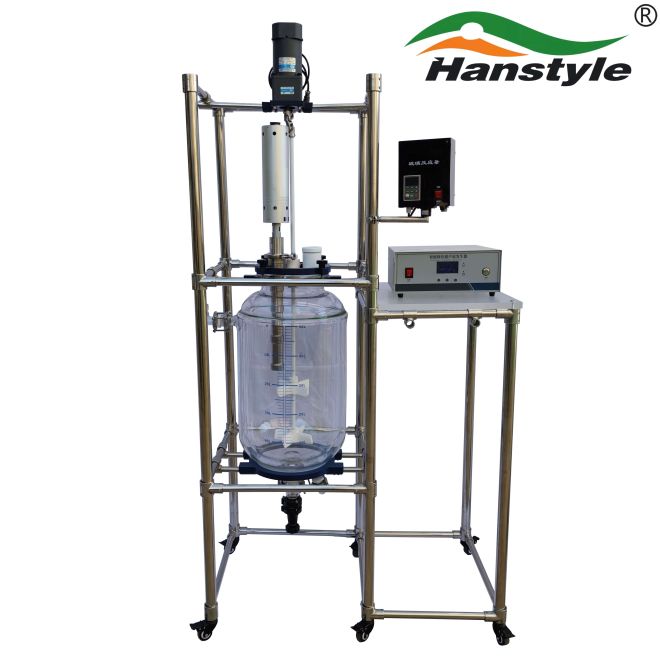
cell disruptor homogenizers are vital tools in laboratory and industrial settings, used to break down cell structures, disperse nanoparticles, and mix substances efficiently. However, these complex devices, which are available from various manufacturers and suppliers, can experience problems that disrupt operations. Understanding how to troubleshoot these issues can ensure that your cell disruptor homogenizer continues to function optimally. In this article, we will explore common problems associated with cell disruptor homogenizers and provide practical solutions to fix them. Keywords such as cell disruptor homogenizer, wholesale cell disruptor homogenizer, cell disruptor homogenizer manufacturer, cell disruptor homogenizer factory, and cell disruptor homogenizer supplier will be used throughout this discussion to emphasize their relevance.
How a Cell Disruptor Homogenizer Works
● The Basics of Cell Disruption
Cell disruptor homogenizers operate by applying mechanical force to break apart cell membranes, releasing their contents for further analysis or processing. This is achieved through the use of ultrasonic waves or high-pressure systems depending on the type of homogenizer in use. The homogenization process involves several key components that work together to achieve effective cell disruption.
● Essential Components and Functions
The primary components of a cell disruptor homogenizer include the power supply, transducer, probe or horn, and the sample vessel. The power supply provides energy to the system, which is then converted by the transducer into mechanical vibrations at ultrasonic frequencies. These vibrations are transmitted through the probe or horn into the sample, where ultrasonic waves create cavitation—bubbles that collapse to produce intense shear forces and heat, effectively breaking the cells apart.
Troubleshooting Power Issues and Device Non-Start
● Identifying Power Connection Problems
One of the most common issues with cell disruptor homogenizers is power-related problems, where the device fails to start. This is often due to a simple connection issue. Users should ensure that the power cord is securely connected to both the device and a functioning power outlet. Testing the outlet with another device can help confirm if the problem lies with the power source.
● Inspecting and Replacing Fuses
In many cases, internal fuses can blow due to electrical surges, interrupting the power supply to the homogenizer. Checking the user manual for the location of these fuses and ensuring they are intact or replacing them if necessary can resolve the issue. This simple fix is often overlooked but can save significant troubleshooting time.
Dealing with Reduced Efficiency or Power Output
● Identifying Component Wear
A decrease in the efficiency or power output of a cell disruptor homogenizer can be attributed to wear and tear of critical components such as the probe. The probe is crucial for transferring ultrasonic energy into the sample, and any signs of damage or corrosion can significantly impact performance. Regular inspection and timely replacement of worn-out probes are essential maintenance practices.
● Optimizing Device Settings
Inappropriate frequency and amplitude settings can also affect the efficiency of the homogenization process. Consulting the manufacturer’s guidelines or manual can provide insights into optimal settings for different samples. Adjusting these settings can often restore the device to its full operational capability.
Addressing Overheating Problems
● Causes of Overheating
Overheating is a common problem that can lead to performance issues or even damage the homogenizer. It is typically caused by continuous operation without sufficient breaks or inadequate ventilation around the device. Understanding and mitigating these causes can prevent overheating.
● Solutions for Overheating
To avoid overheating, ensure that the device is placed in a well-ventilated area, allowing proper airflow. Limiting the operation time and using pulse mode instead of continuous mode can also help manage heat buildup. Additionally, checking if built-in cooling fans are functioning properly is important, as malfunctioning fans need immediate replacement.
Resolving Unusual Noise and Excessive Vibration
● Identifying Mechanical Issues
Unusual noise or excessive vibration during the operation of a cell disruptor homogenizer can indicate loose or malfunctioning components. It's important to regularly tighten the probe to the transducer, as loose connections can lead to vibrations. Additionally, inspecting internal components for damage or wear is crucial.
● Practical Fixes for Noise and Vibration
If tightening the probe does not solve the issue, it may be necessary to consult a technician or the manufacturer. They can inspect the transducer and other internal components to identify and fix any structural issues causing the noise and vibration.
Overcoming Display Malfunctions or Error Codes
● Understanding Display Issues
Modern cell disruptor homogenizers often feature digital displays that can malfunction or show error codes when an issue arises. These codes provide insights into the underlying problems, but they can be confusing without proper context.
● Interpreting and Resolving Error Codes
Referring to the user manual is the first step in understanding what the error codes mean and how to address them. Common display malfunctions can often be resolved by resetting the device. This involves unplugging it, waiting a few minutes, and then restarting. Persistent display issues might require professional technical support, especially if they indicate problems with the internal circuitry.
Improving Inconsistent or Poor Sample Homogenization
● Importance of Probe Positioning
Inconsistent homogenization results can often be traced back to the positioning of the probe in the sample container. The probe should not be too close to the container walls or bottom, as this can hinder energy transfer. Ensuring proper placement can enhance homogenization efficiency.
● Selecting Appropriate Containers
The size and material of the container also play a critical role in achieving uniform sample homogenization. Using a container that matches the probe size and the sample volume ensures effective energy distribution. For challenging materials, adjusting the frequency or amplitude or pre-treating samples can improve results.
Fixing Persistent Leaks or Seal Failures
● Diagnosing Leaks and Seal Damage
Leaks in a cell disruptor homogenizer can lead to contamination and device damage. Inspect seals and gaskets regularly for signs of wear, such as cracks or degradation, especially if exposed to harsh solvents or high temperatures.
● Preventive Measures Against Leaks
Replacing worn seals and ensuring tight connections between components like the probe and sample container can prevent leaks. It's also crucial to use cleaning solutions recommended by the manufacturer to avoid degrading seals.
Essential Maintenance Tips for Longevity
● Routine Cleaning and Inspections
Regular maintenance of a cell disruptor homogenizer is vital for its longevity and effectiveness. This includes thorough cleaning of the probe and sample container after each use to prevent residue build-up. Periodically inspecting wear-prone components and replacing them as needed is also essential.
● Following Manufacturer Guidelines
Adhering to the manufacturer's operating guidelines, including recommended operating times and settings, can prevent common faults. Ensuring intact power connections and monitoring the cooling system are additional preventive measures.
When to Seek Professional Repair Services
● Recognizing Complex Issues
While many issues with cell disruptor homogenizers can be resolved through simple troubleshooting, some problems might require professional expertise. Recognizing when an issue is beyond basic maintenance can save time and prevent further damage.
● Benefits of Professional Maintenance
Professional repair services can provide thorough diagnostics and repairs, ensuring that your device returns to optimal performance. Engaging with the manufacturer or authorized service providers ensures that genuine parts are used, maintaining the integrity of the homogenizer.
Conclusion
Understanding the common problems and fixes for cell disruptor homogenizers is essential for maintaining their performance and extending their lifespan. From addressing power issues to ensuring effective sample homogenization, proper troubleshooting and maintenance are key. Whether purchased from a wholesale cell disruptor homogenizer supplier or a cell disruptor homogenizer manufacturer, ensuring that your device is functioning correctly is crucial for the success of your laboratory or industrial processes.
● About Hanspire
Hangzhou Hanspire Automation Co., Ltd. was founded in 1993 and is located in Fuyang District, Hangzhou City. It boasts a large production area and a significant investment in state-of-the-art facilities. Hanspire specializes in mechanical casting and ultrasonic technology, producing high-quality equipment and offering customized services. With a commitment to quality and innovation, Hanspire Automation has established itself as a reputable leader in its industry both domestically and internationally.
