Introduction to Ultrasonic Cleaning Technology
Ultrasonic cleaning technology is an innovative method that has revolutionized the way various industries approach the task of cleaning. Utilizing high-frequency sound waves, this process creates microscopic cavitation bubbles in a liquid cleaning solution, which implode to dislodge dirt, grime, and contaminants from surfaces, making it a powerful cleaning tool. This method offers a distinct advantage over traditional cleaning techniques, particularly in its ability to clean intricate and delicate items without causing damage. The applications of ultrasonic cleaning have expanded significantly since its inception, impacting numerous fields, including medical, automotive, manufacturing, and jewelry industries.
How ultrasonic processors Work
● Role of High-Frequency Sound Waves
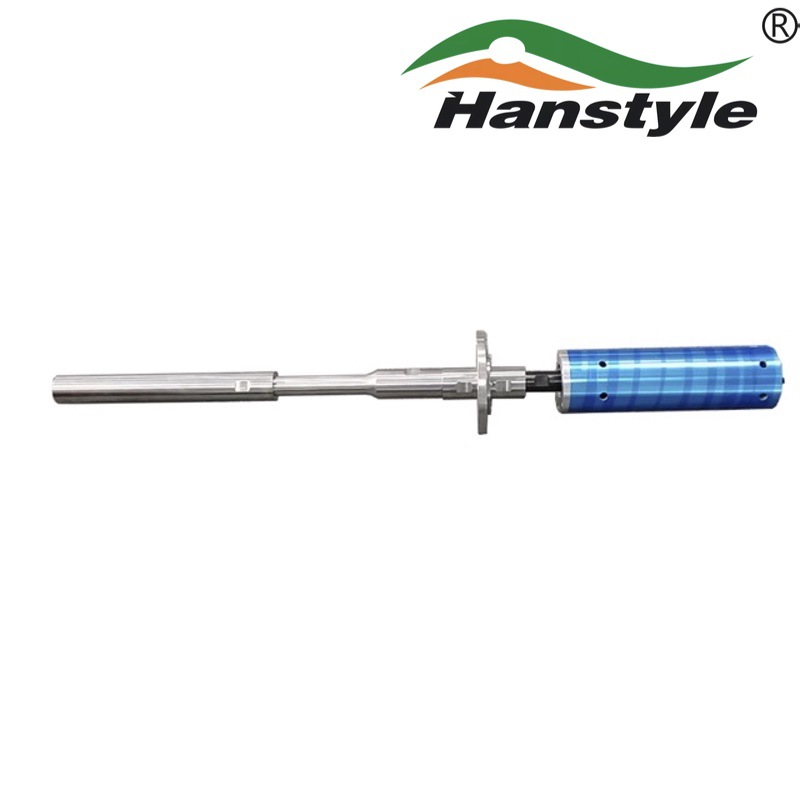
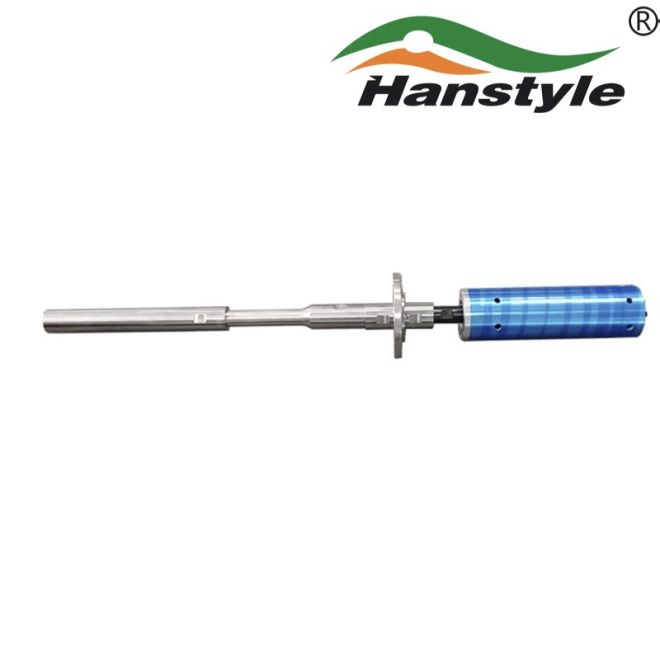
The core principle behind ultrasonic processors lies in the use of high-frequency sound waves that are transmitted through a liquid medium. These waves create a series of compression and expansion cycles, generating rapid changes in pressure within the liquid. This results in the formation of tiny cavitation bubbles.
● Explanation of Cavitation Bubbles
Cavitation bubbles are the true workhorses of ultrasonic cleaning. When these bubbles form and collapse, they release tremendous energy in the form of micro-shock waves. This intense energy effectively removes contaminants from surfaces, even in the most challenging-to-reach areas. Ultrasonic processors, therefore, provide a non-abrasive and highly effective cleaning solution that is particularly beneficial for delicate and intricate components.
Key Advancements in Ultrasonic Cleaning
● Integration of Automation and Robotics
Recent advancements in ultrasonic cleaning technologies have led to the integration of automation and robotics. These innovations have streamlined the cleaning process, increasing both its efficiency and effectiveness. Automation allows for precise control over the cleaning parameters, while robotics enable the cleaning of complex parts that were previously difficult to access. This fusion of technology ensures consistent and reliable cleaning outcomes.
● Enhancements in Cleaning Efficiency and Control
Ultrasonic processors have seen significant improvements in their ability to deliver consistent and controllable cleaning processes. Modern systems offer customizable settings, allowing users to adjust frequency, power, and temperature to tailor the cleaning operation to specific requirements. This level of control makes ultrasonic processors a versatile tool in any cleaning arsenal, accommodating a wide range of applications and materials.
Benefits of Ultrasonic Cleaning in Various Industries
● Medical Industry
In the medical field, ultrasonic cleaning is paramount for maintaining the sterility of surgical instruments, dental tools, and other medical devices. The non-invasive nature of ultrasonic cleaning ensures that even the most fragile devices are free from bacteria, viruses, and other harmful contaminants. This results in improved patient outcomes and adherence to stringent health standards.
● Manufacturing Industry
The manufacturing industry has embraced ultrasonic cleaning for its ability to efficiently cleanse components without the need for harsh chemicals. Ultrasonic processors are adept at removing grease, oil, and dirt from products, helping them meet quality standards while reducing environmental impact.
● Jewelry and Delicate Items
For the jewelry industry, ultrasonic cleaning is a game-changer. It effectively cleans and polishes jewelry pieces, removing dirt and oils without damaging valuable stones or metals. This gentle yet thorough cleaning process restores the shine and brilliance of jewelry items, making ultrasonic processors a staple in jewelry maintenance.
Ultrasonic Cleaning in the
● Medical Industry
Ultrasonic cleaning technology has become integral in the medical industry. Its ability to deliver precise and thorough cleaning results has made it indispensable in ensuring the safety and efficacy of medical procedures.
● Cleaning Surgical Instruments and Dental Tools
Surgical instruments and dental tools are subject to rigorous cleaning protocols to prevent infections. Ultrasonic processors offer a reliable solution by effectively removing all biological contaminants, ensuring these tools are safe and ready for use in medical practices.
● Impact on Patient Safety and Infection Control
The implementation of ultrasonic cleaning in healthcare settings has significantly enhanced patient safety by reducing the risk of contamination-related infections. As ultrasonic cleaning technology continues to advance, it contributes to better health outcomes and improved infection control measures.
Ultrasonic Cleaning's Role in Manufacturing
In the manufacturing sector, ultrasonic processors have transformed how products are cleaned and prepared for distribution.
● Handling Intricate Parts and Reducing Chemical Use
Ultrasonic cleaning excels at cleaning intricate parts, where traditional cleaning methods may fall short. Moreover, the reduction in the need for chemical solvents makes ultrasonic cleaning an environmentally friendly alternative, supporting sustainable manufacturing practices.
● Applications in Electronics and Heavy Machinery
Whether it's cleaning delicate electronic components or large industrial machinery, ultrasonic cleaning provides a versatile solution. Its capability to reach intricate spaces ensures thorough cleaning of complex assemblies and enhances the operational efficiency of heavy machinery.
Ultrasonic Cleaning in
● Jewelry and Delicate Items
For artisans and jewelers, ultrasonic processors provide an essential service—cleaning that combines thoroughness with gentleness.
● Gentle Cleaning of Valuable and Fragile Items
Jewelry cleaning requires a delicate approach to avoid damaging precious gemstones and metals. Ultrasonic processors use controlled frequencies to clean without abrasion, ensuring the longevity of valuable pieces.
● Comparison with Traditional Cleaning Methods
Traditional cleaning methods often rely on manual scrubbing, which can damage delicate items. In contrast, ultrasonic cleaning offers a non-contact method that reaches into crevices and intricate designs, making it superior for preserving the integrity of jewelry.
Future Applications of Ultrasonic Cleaning
The future of ultrasonic cleaning is bright, with emerging applications promising to broaden its scope and impact across various industries.
● Potential in Micro and Nanoscale Component Cleaning
As technology advances, the components used in industries are becoming smaller and more intricate. Ultrasonic processors are uniquely qualified to address the cleaning needs of micro and nanoscale parts, ensuring that even the tiniest debris is removed from complex geometries.
● Innovations in Textiles and Soft Materials
Although traditionally not used for soft materials, advancements are paving the way for ultrasonic cleaning in textiles, leather, and biological tissues. With specialized cleaning solutions, ultrasonic technology could soon become a staple for cleaning sensitive fabrics and materials.
Environmental Impacts of Ultrasonic Cleaning
Ultrasonic cleaning stands out not just for its efficiency but also for its environmental benefits.
● Use in Oil Spill Cleanup and Pollution Reduction
Ultrasonic processors have potential applications in environmental remediation efforts, such as oil spill cleanups. Their ability to effectively emulsify and disperse oil particles can make significant contributions to pollution reduction and environmental preservation.
● Benefits for Sustainable Industrial Practices
By eliminating the need for harsh chemicals and reducing waste, ultrasonic cleaning promotes more sustainable industrial practices. Its environmental benefits make it an attractive option for companies seeking to minimize their ecological footprint.
Conclusion: The Future of Ultrasonic Cleaning
Emerging trends and new applications continue to shape the landscape of ultrasonic cleaning technology. As industries seek more efficient, effective, and environmentally friendly cleaning solutions, ultrasonic processors are poised to play a crucial role. With ongoing advancements, these devices will become an even more integral component in various sectors, from healthcare to manufacturing and beyond.
● About Hanspire
Hangzhou Hanspire Automation Co., Ltd., founded in 1993, is headquartered in Fuyang District, Hangzhou City, with a construction area of 20,000 square meters. Specializing in machinery casting, post-press equipment, and ultrasonic technology, Hanspire is a leader in providing high-quality ultrasonic equipment. The company emphasizes quality and innovation, offering customized solutions through its advanced production lines. With branches across major Chinese cities, Hanspire serves both domestic and international markets, maintaining a strong reputation for excellence in ultrasonic solutions.