


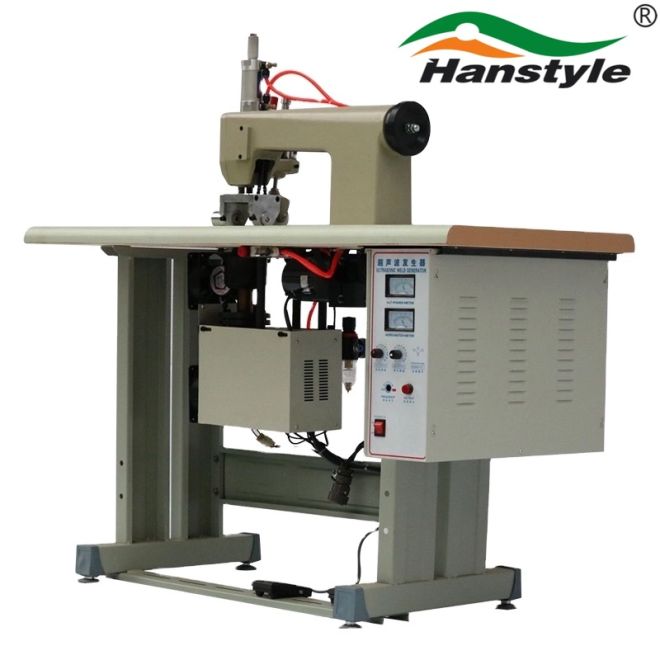
Ultrasonic stitching is revolutionizing the textile and manufacturing industries. It promises sustainability, efficiency, and durability, providing compelling advantages over traditional sewing methods. This article explores the intricacies of ultrasonic stitching, its environmental impact, energy efficiency, economic benefits, and alignment with sustainability goals. We also delve into the advancements in technology and versatility of application across various materials. This comprehensive analysis aims to answer a pivotal question: Is ultrasonic stitching a superior choice?
Understanding Ultrasonic Stitching Technology
● How Ultrasonic Vibrations Bond Materials
Ultrasonic stitching is a cutting-edge technique that employs high-frequency ultrasonic vibrations to bond materials. Unlike traditional sewing that requires needles and threads, this method focuses on the surface of the materials. The vibrations generate heat, causing the materials at the contact point to melt and fuse. This process results in a seamless and secure bond that is both aesthetically pleasing and robust. The advent of sophisticated ultrasonic sewing machines has facilitated this technology, making it accessible to various industries.
● Comparison with Traditional Sewing Methods
While traditional sewing has been a mainstay for decades, it is not without its limitations. The use of threads, needles, and bobbins not only generates waste but also limits the types of materials that can be joined. In contrast, ultrasonic sewing machines eliminate these constraints, creating bonds that are not only stronger but also resistant to wear and tear. The wholesale availability of ultrasonic sewing machines and the presence of specialized ultrasonic sewing machine manufacturers have further driven the adoption of this innovative technology across diverse sectors.
Environmental Impact: Waste Reduction and Efficiency
● Elimination of Thread Waste
Traditional sewing methods inherently produce waste in the form of excess threads and material cut-offs. With ultrasonic stitching, the need for threads is entirely eliminated, contributing significantly to waste reduction. Ultrasonic sewing machine factories and suppliers are increasingly emphasizing this benefit as industries strive to meet sustainability benchmarks. The precision of ultrasonic sewing also reduces material wastage, ensuring that each piece of material is used optimally.
● Reduction in Material Cut-Offs and Leftover Waste
The precision and accuracy imparted by ultrasonic sewing machines mean that cuts are cleaner and more precise, reducing the likelihood of leftover material going to waste. This precision is particularly beneficial in industries requiring high levels of exactitude, such as automotive and medical textiles. The use of ultrasonic sewing machines in these sectors highlights their versatility and effectiveness in waste reduction.
Ultrasonic Stitching and Product Durability
● Robust Bonds and Resistance to Wear and Tear
One of the standout advantages of ultrasonic stitching is the durability of the bonds it creates. Unlike traditional stitches that can unravel or weaken over time, ultrasonic bonds are resilient and withstand considerable wear and tear. This durability translates into longer-lasting products, which is a significant advantage for consumers and manufacturers alike. The reliability of these bonds is a primary reason why many industries are turning to wholesale ultrasonic sewing machines.
● Implications for Product Longevity and Reduced Replacements
Longer-lasting products mean fewer replacements, which is not only cost-effective but also environmentally friendly. By reducing the frequency of replacements, industries can decrease their overall material usage, aligning with sustainability and environmental goals. Ultrasonic sewing machine manufacturers are continually innovating to enhance the strength and consistency of these bonds, ensuring that they meet the rigorous demands of modern applications.
Energy Efficiency in Ultrasonic Sewing Processes
● Comparison of Energy Consumption with Traditional Sewing
Energy consumption is a critical consideration in manufacturing. Ultrasonic sewing machines are designed to be energy-efficient, using less power than traditional sewing machines. This efficiency is achieved through the rapid and direct application of ultrasonic energy, which minimizes the time and resources needed to complete each bond. For factories and suppliers, this means lower operational costs and a reduced carbon footprint.
● Role in Reducing Carbon Footprint
The energy efficiency of ultrasonic stitching contributes to a reduction in the overall carbon footprint of manufacturing processes. As companies increasingly prioritize sustainable practices, the demand for energy-efficient solutions like ultrasonic stitching is growing. By investing in ultrasonic sewing machines, manufacturers can achieve their sustainability objectives while also benefiting from the cost savings associated with reduced energy consumption.
Versatility of Ultrasonic Stitching in Material Usage
● Suitability for Different and Challenging Materials
Ultrasonic stitching offers unparalleled versatility when it comes to the types of materials that can be bonded. From delicate fabrics to robust industrial textiles, ultrasonic technology is adaptable and effective. This versatility is particularly advantageous in industries that deal with a wide range of materials, such as automotive, aerospace, and healthcare. The adaptability of ultrasonic sewing machines ensures that manufacturers can meet diverse needs without compromising on quality.
● Case Studies of Varied Applications
Numerous industries have successfully integrated ultrasonic stitching into their production processes, illustrating its versatility and utility. For example, in the medical field, ultrasonic stitching is used to create sterile, seamless bonds in surgical drapes and gowns. In the automotive industry, it is employed to join synthetic materials that comprise car interiors. These case studies highlight the broad applicability of ultrasonic technology and its effectiveness in enhancing product quality across different sectors.
Advancements in Ultrasonic Sewing Techniques
● Recent Technological Advancements
The field of ultrasonic sewing is continually evolving, with manufacturers innovating to improve the effectiveness and efficiency of the technology. Recent advancements include the development of machines that offer greater precision and control, allowing for more complex and intricate designs. Additionally, the integration of digital technologies has enhanced the capability of ultrasonic sewing machines, enabling better customization and adaptability to various production needs.
● Innovations in Design and Application
Design innovations are driving the expanded application of ultrasonic technology. From personalized fashion items to large-scale industrial textiles, the ability to customize and adapt ultrasonic techniques is a significant benefit. Manufacturers and designers are leveraging these capabilities to create unique, high-quality products that meet specific client requirements. These innovations underscore the dynamic nature of the ultrasonic sewing industry and its potential for future growth.
Economic Benefits of Adopting Ultrasonic Sewing
● Cost Efficiency in Production Processes
Adopting ultrasonic sewing technology often results in significant cost savings for manufacturers. The elimination of thread and the reduction in material waste contribute to lower raw material costs. Moreover, the speed and efficiency of ultrasonic sewing machines mean that production timelines are shortened, allowing for increased output and productivity. These economic benefits are particularly appealing to manufacturers looking to optimize their processes and gain a competitive edge.
● Impact on Production Timelines and Output
The efficiency of ultrasonic stitching means that production lines can operate faster and more effectively. The reduction in processing time directly impacts output, enabling manufacturers to produce more in less time. This increased productivity not only meets customer demand more effectively but also enhances the overall profitability of manufacturing operations. The efficiency gains provided by ultrasonic sewing machines are a key factor in their growing adoption.
Ultrasonic Stitching: Aligning with Sustainability Goals
● Contribution to Corporate Sustainability Initiatives
For many companies, sustainability is at the forefront of their strategic initiatives. Ultrasonic stitching aligns well with these goals due to its inherent advantages in waste reduction, energy efficiency, and product longevity. By incorporating ultrasonic technology, companies can significantly advance their sustainability agendas while also enhancing their product offerings. It is a win-win situation that benefits both the environment and the bottom line.
● Role in Achieving Eco-Friendly Production Standards
Eco-friendly production is increasingly becoming a standard expectation in the global market. Consumers and regulators alike demand that companies adopt practices that minimize environmental impact. Ultrasonic stitching offers a viable path toward achieving these standards, providing a method that is both efficient and eco-friendly. Manufacturers utilizing ultrasonic sewing machines are well-positioned to meet these demands and establish themselves as leaders in sustainable production practices.
Conclusion: Future Prospects of Ultrasonic Stitching
● Summary of Benefits and Challenges
Ultrasonic stitching presents numerous advantages, including durability, efficiency, and waste reduction, making it a compelling alternative to traditional sewing methods. However, challenges such as the initial investment cost and the need for specialized training should be considered. Despite these challenges, the benefits of ultrasonic stitching are significant and continue to drive its adoption across various industries.
● Potential Future Developments and Industry Trends
Looking ahead, the future of ultrasonic stitching is promising. As technology continues to advance, we can expect further improvements in efficiency, control, and versatility. The ongoing research and development efforts by ultrasonic sewing machine manufacturers will likely lead to even more innovative applications and solutions. The industry is poised for growth, with ultrasonic stitching set to play a key role in the evolution of manufacturing and textile production.
Hangzhou Hanspire Automation Co., Ltd., established in 1993, stands out as a leader in ultrasonic technology and machinery casting. Located in Hangzhou City, it boasts a 20,000-square-meter facility with advanced production lines. Hanspire is renowned for its high-quality ultrasonic automation equipment and dedication to innovation in emerging industries. With a strong reputation for quality and reliability, Hanspire continues to provide cutting-edge solutions and customized services to meet diverse industry demands.
