


Introduction to Welding Techniques
Welding is a cornerstone process in modern manufacturing, playing a crucial role in industries ranging from automotive to aerospace. Among the myriad of welding techniques, Radio Frequency (RF) welding and ultrasonic welding stand out for their efficacy in joining materials that traditional methods might struggle with. As advanced forms of welding, both RF and ultrasonic methods have distinct mechanisms and applications. But are they the same? This article delves deep into these two potent techniques, exploring their similarities, differences, and applications to provide a comprehensive understanding.
Basic Principles of RF Welding
● How RF Welding Works: Molecular Vibration
Radio Frequency welding, also known as high-frequency welding, operates by applying electromagnetic energy to the materials being joined. The fundamental principle involves the use of radio waves to excite and vibrate the molecules within the materials. These vibrations generate heat internally, causing the material to soften, then fuse under pressure when cooled. This technique is particularly effective for materials with polar molecules, such as PVC and certain types of polyurethane.
● Description of Materials Compatible with RF Welding
RF welding is predominantly used with vinyl and polyurethane materials, thanks to their polar molecular structure that responds well to RF energy. The method can also be adapted for some other plastics, provided they share similar properties. Industries requiring large-scale, continuous bonding find RF welding particularly useful due to its ability to create strong, long, and durable welds efficiently.
Basic Principles of Ultrasonic Welding
● How Ultrasonic Welding Generates Heat Through Friction
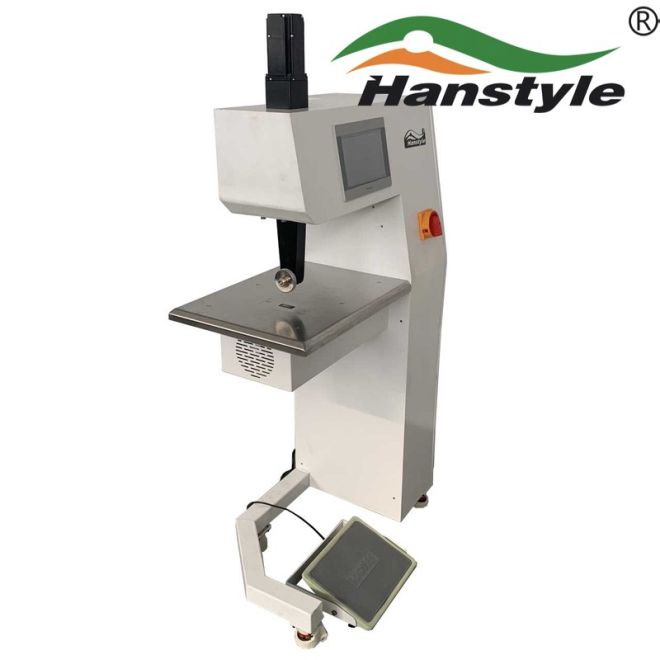
Ultrasonic welding operates on a distinctly different principle than RF welding. It utilizes high-frequency ultrasonic acoustic vibrations to create friction between the materials being joined. A welding tool, called a sonotrode, applies these vibrations at a frequency often beyond the audible range, inducing localized heating. This heat results in the materials melting and fusing together at their interface under pressure.
● Material Compatibility with Ultrasonic Welding
ultrasonic welding machines are predominantly employed in joining thermoplastics and some metals. The process is exceptionally fast and efficient for small to medium-sized items, making it a staple in industries where precision and speed are paramount, such as electronics and medical device manufacturing. The technique's compatibility with a wide range of thermoplastic materials makes it versatile for various applications.
Comparison of Heat Generation Methods
● Differences in Heat Creation: Friction vs. Molecular Movement
The key distinction between ultrasonic and RF welding lies in their heat generation methods. Ultrasonic welding generates heat via surface friction, whereas RF welding creates heat internally by molecular movement. These differences affect the types of materials each method can effectively weld, influencing their respective applications in industry.
● Impact on Material Properties and Joint Strength
The method of heat generation directly impacts the resulting joint's strength and quality. Ultrasonic welding, for example, tends to produce very precise, strong bonds with minimal thermal distortion, making it ideal for delicate or intricate components. RF welding, in contrast, can produce both large and small continuous welds, offering robust bonds suitable for applications requiring high durability.
Material Compatibility in Welding
● Thermoplastics Suitable for Ultrasonic Welding
In the realm of ultrasonic welding, thermoplastics such as polyethylene, polypropylene, and ABS are commonly used. The welding process's efficiency with these materials arises from their inherent ability to soften quickly and evenly under heat and pressure, resulting in strong, precise joins that are often indistinguishable from the base materials.
● Vinyl-Based Materials for RF Welding
RF welding shines with vinyl-based materials such as PVC and PU. These materials' polar properties make them particularly receptive to the electromagnetic fields used in RF welding, allowing for strong, seamless welds. Industries that manufacture flexible products like inflatable goods, tarpaulins, and medical bags frequently use RF welding to produce reliable, long-lasting joints.
Weld Size and Capability Differences
● Limitations of Ultrasonic Welding in Weld Size
Ultrasonic welding machines, including those from wholesale suppliers and manufacturers, are somewhat limited in the size of the weld they can produce. Typically, ultrasonic welding is employed for welds up to a few inches in length, although advanced systems continue to push these boundaries. This limitation makes ultrasonic welding less suitable for applications requiring extensive welds.
● RF Welding's Flexibility in Weld Size and Applications
RF welding excels in its flexibility regarding weld size. Capable of producing welds from fractions of an inch to several feet, RF welding is adaptable to both small-scale and large-scale applications. This versatility makes it a preferred choice for industries needing continuous, durable welds, such as construction and automotive manufacturing.
Industrial Applications of Ultrasonic Welding
● Sectors Using Ultrasonic Welding: Automotive, Medical, Electronics
Ultrasonic welding is a preferred technique in various industries thanks to its precision and cleanliness. In the automotive sector, it's used for assembling dashboard components and other internal plastic parts without adhesives or solvents. The medical industry relies on ultrasonic welding for products such as catheter tube assemblies, ensuring high standards of hygiene and performance. Meanwhile, the electronics industry uses this method to assemble small, intricate components where precision is critical.
● Key Benefits for Each Industry
Each industry benefits uniquely from ultrasonic welding's capabilities. The automotive industry values the technique for its strong, clean bonds and its ability to join dissimilar materials. The medical sector benefits from the sterile, contaminant-free welds ultrasonic welding provides. The electronics industry appreciates the precision and reliability of ultrasonic welds, which are critical in small-scale, high-capacity manufacturing.
Industrial Applications of RF Welding
● Use of RF Welding in Construction, Military, and Transportation
RF welding is a mainstay in industries requiring durable, large-scale welds. The construction industry uses it for products like roofing membranes and insulation materials. In the military, RF welding ensures the integrity of materials used in demanding environments, from waterproof clothing to inflatable pontoons. The transportation sector uses RF welding for products such as truck tarps and train bellows, where durability and longevity are essential.
● Advantages of RF Welding in These Industries
RF welding's ability to produce strong, consistent seals without compromising material integrity is a key advantage. The method's efficiency in creating long, seamless welds makes it indispensable for products exposed to harsh conditions or requiring airtight or watertight seals. Its versatility and reliability ensure its continued use across these demanding industries.
Choosing the Right Welding Technique
● Factors Influencing Technique Choice: Material, Weld Size, Application
Choosing between RF and ultrasonic welding involves assessing several factors, including material compatibility, desired weld size, and specific application requirements. RF welding is generally selected for larger, polar materials, whereas ultrasonic welding is favored for smaller, thermoplastic components requiring precision.
● Cost and Efficiency Considerations
Cost and efficiency are also crucial in selecting the appropriate welding method. Ultrasonic welding machines, available from various manufacturers and suppliers, often present lower operating costs for small-scale applications due to their high-speed operation and minimal material waste. Conversely, RF welding, while possibly more expensive to set up, offers unparalleled efficiency for continuous, large-scale operations.
Conclusion and Future Trends
● Summary of RF vs. Ultrasonic Welding
In conclusion, RF and ultrasonic welding are not the same, although they share the goal of joining materials efficiently. They are distinguished by their heat generation methods, material compatibility, and application suitability. Each technique offers unique advantages that make them indispensable across various industries.
● Emerging Trends and Innovations in Welding Technology
As technology advances, both RF and ultrasonic welding are expected to evolve, with innovations increasing their efficiency, precision, and range of applications. Developments in automation, material science, and machine design promise to broaden the capabilities of these welding methods, ensuring their relevance in future manufacturing processes.
About Hanspire
Hangzhou Hanspire Automation Co., Ltd., founded in 1993, is located in Fuyang District, Hangzhou City. With a robust infrastructure covering 20,000 square meters and over 150 employees, Hanspire has excelled in machinery casting and ultrasonic technology. The company offers a range of products including ultrasonic welding machines and provides custom solutions. Committed to quality and innovation, Hanspire is a leader in the machinery casting and ultrasonic equipment industries, with operations extending across China and beyond. Hanspire Automation is synonymous with reliability and excellence in ultrasonic technology.
