


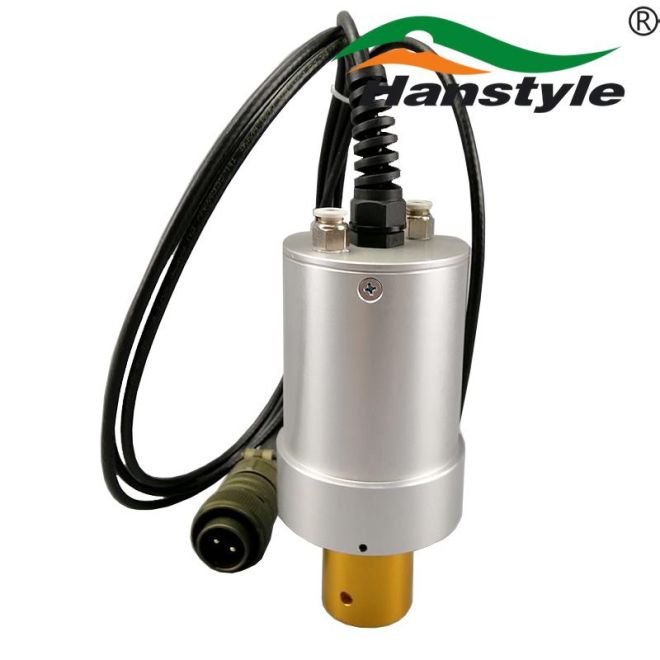
Your projects need 20kHz ultrasonic transducers, but every spec sheet looks like alien code and you’re one confusing graph away from giving up and using duct tape instead of proper ultrasonic tech.
Relax—focus on matching frequency, power, and application (welding, cleaning, sensing) to your real needs, and rely on solid references like this ScienceDirect ultrasonic transducer overview to guide smart choices.
🔧 High-Efficiency Plastic Welding Using 20kHz Ultrasonic Transducers
20kHz ultrasonic transducers deliver strong, focused energy for fast plastic welding. They reduce cycle time, improve joint strength, and lower scrap rates in automated production lines.
They suit automotive, electronics, and medical plastics. Stable amplitude and low heat input protect delicate parts, while precise control supports repeatable, high-volume manufacturing.
1. Automotive and Appliance Plastic Parts Welding
Automotive dashboards, light housings, and appliance housings rely on 20kHz welding for rigid, low‑flash joints that withstand vibration and temperature changes.
- Fast cycle time for large parts
- Clean, particle‑free welds
- High mechanical strength under stress
2. Medical Mask and Filter Production
Mask bodies, ear loops, and filter layers often use 20kHz ultrasonic welding for clean seams without glue or stitching, supporting hygienic, high-speed production.
- Low heat to protect filter media
- No chemical adhesives
- Stable seams for long wear
3. Precision Electronics and Sensor Housings
Electronics enclosures and sensor casings use ultrasonic welding to seal delicate circuits while avoiding excess heat and solder splash.
- Hermetic sealing of cases
- Minimal mechanical stress
- Good fit with automated lines
4. Transducer Selection and System Integration
Choosing the right 20kHz transducer is critical. For robust plastic welding and mask lines, see the High Stability Piezoelectrical 20KHz Ultrasonic Welding Transducer For Plastic Welding Machine And Mask Machine.
- Match frequency, power, and horn design
- Ensure compatibility with boosters and generators
- Verify cooling and mounting options
🧴 Precise Ultrasonic Sealing for Packaging Films and Tubes
20kHz ultrasonic sealing creates tight, consistent seals on pouches, tubes, and laminated films without burning or deforming sensitive packaging materials.
Brand owners gain better shelf life, leak prevention, and attractive seams for food, cosmetics, and pharmaceutical packaging lines.
1. Flexible Film Pouch Sealing
Stand‑up pouches and pillow bags benefit from strong, narrow seals that resist leaks while protecting barrier layers and printed graphics.
| Film Type | Typical Seal Time (ms) | Leak Rate (%) |
|---|---|---|
| PE/PE | 250 | 0.4 |
| PET/PE | 220 | 0.3 |
| Alu‑laminate | 260 | 0.2 |
2. Tube Sealing for Cosmetics and Pharma
Ultrasonic sealing of plastic tubes keeps creams and gels safe, with flat, tidy ends and high resistance to pressure during transport.
- Less product trapped in the seal area
- Good appearance and print alignment
- Short warm‑up and changeover times
3. Integration with High-Speed Packaging Lines
20kHz systems can match multi‑lane packaging speeds while keeping energy use low and seal quality stable across long shifts.
- Supports continuous or intermittent motion
- Easy PLC and sensor integration
- Lower maintenance vs. thermal jaws
4. Data-Driven Seal Quality Optimization
Manufacturers track seal strength, scrap rate, and speed to fine‑tune ultrasonic sealing parameters for each film structure and product format.
💎 Ultrasonic Cutting of Food, Textiles, and Composite Materials
20kHz ultrasonic cutting reduces friction and sticking, helping producers make clean, accurate cuts in soft, layered, or fibrous materials.
This method minimizes crumbs, dust, and tool wear while improving edge quality and yield.
1. Clean Cutting of Baked Goods and Confectionery
Ultrasonic blades slice cakes, cheese, and chocolate bars without smearing fillings or deforming shapes, even at low temperatures.
- Thin, uniform slices
- Less product waste on blades
- Easy wash‑down designs
2. Textile and Nonwoven Web Processing
In textiles, 20kHz cutting and sealing can occur in one step, preventing fraying and reducing the need for secondary edge finishing.
| Material | Edge Condition | Secondary Finishing |
|---|---|---|
| Polyester fabric | Fused, no fray | Not required |
| Nonwoven mask media | Sealed edge | Not required |
| Cotton blend | Minimal fray | Light trimming |
3. Composite and Technical Material Trimming
For composites and technical laminates, ultrasonic cutting creates precise edges with less delamination and reduced dust compared with mechanical tools.
- Better dimensional control
- Lower tool replacement cost
- Safer, cleaner work areas
🧼 Ultrasonic Cleaning in Industrial, Laboratory, and Medical Equipment Maintenance
20kHz ultrasonic transducers drive strong cavitation in cleaning tanks, quickly removing dirt and films from complex, hard‑to‑reach surfaces.
This improves cleanliness standards while cutting manual scrubbing, chemical use, and cleaning time.
1. Industrial Parts and Tooling Cleaning
Manufacturers use ultrasonic tanks to strip oil, chips, and polishing compounds from dies, molds, and precision parts before coating or assembly.
- Uniform cleaning of blind holes
- Less damage than manual brushing
- Higher uptime for tooling
2. Laboratory Glassware and Precision Instruments
Labs rely on ultrasonic baths to clean glassware, pipettes, and instruments, improving repeatability of tests and reducing contamination risk.
| Item | Typical Cycle (min) | Residue After Cleaning |
|---|---|---|
| Glass beakers | 10 | Very low |
| Metal tweezers | 8 | Very low |
| Microscope slides | 6 | Trace |
3. Medical Device Reprocessing
Hospitals use ultrasonic systems to pre‑clean surgical tools and dental handpieces, removing biofilm before disinfection and sterilization steps.
- Improved cleaning in hinges and lumens
- More consistent results than manual scrubbing
- Supports strict infection control rules
🩺 Ultrasonic Processing in Medical Devices and Biomedical Material Fabrication
20kHz ultrasonic technology helps assemble and process medical devices and biomaterials without adding glue or excess heat.
This supports strict cleanliness, tight tolerances, and reliable long‑term performance inside the body or in contact with fluids.
1. Assembly of Plastic Medical Devices
Syringe bodies, drip chambers, and fluid connectors often use ultrasonic welding to achieve leak‑proof, particle‑free joints.
- No solvent or adhesive residue
- Repeatable weld depth control
- Compatible with cleanroom lines
2. Fabrication of Filters, Membranes, and Nonwovens
Ultrasonic bonding joins filter layers and nonwoven medical fabrics while keeping pore structures open and functional.
| Product | Bond Type | Key Benefit |
|---|---|---|
| Dialysis filter | Perimeter weld | Leak‑free seal |
| Surgical gown | Seam bonding | Barrier integrity |
| Face mask | Spot welds | Strong strap joints |
3. Matching Transducers to Legacy Systems
When upgrading lines, many plants select compatible replacements. The High Quality 20KHz Ultrasonic Welding Transducer With Booster For Branson 902 Replacement offers easy integration and stable output.
- Drop‑in fit for existing stacks
- Reliable amplitude for tight weld specs
- Lower downtime during upgrades
Conclusion
20kHz ultrasonic transducers enable fast, clean welding, sealing, cutting, and cleaning in many industries. They reduce heat, save energy, and improve product quality.
Matched with the right horn, booster, and generator, they support stable output and long service life. For higher‑frequency tasks, see the High Quality Piezoelectrical 28KHz Ultrasonic Welding Transducer For Spot Welding Device.
Frequently Asked Questions about 20khz ultrasonic transducer
1. What is a 20kHz ultrasonic transducer?
A 20kHz ultrasonic transducer converts electrical energy into mechanical vibration at 20,000 cycles per second. This vibration powers welding, cutting, sealing, or cleaning processes.
2. Where is a 20kHz transducer most commonly used?
It is widely used in plastic welding, packaging sealers, food cutting, industrial cleaning tanks, and assembly of medical and electronic devices.
3. How do I choose the right 20kHz transducer?
Match the transducer to your generator frequency, required power, horn design, and duty cycle. Also consider cooling, mounting, and compatibility with existing systems.
4. What is the difference between 20kHz and higher frequencies like 28kHz?
20kHz offers higher amplitude and suits thicker or tougher materials. 28kHz and above provide finer control, lower noise, and are better for delicate or small parts.
5. How long does a 20kHz ultrasonic transducer typically last?
Service life depends on power level, duty cycle, cooling, and tuning. With correct setup and maintenance, quality transducers can operate reliably for years in production.