


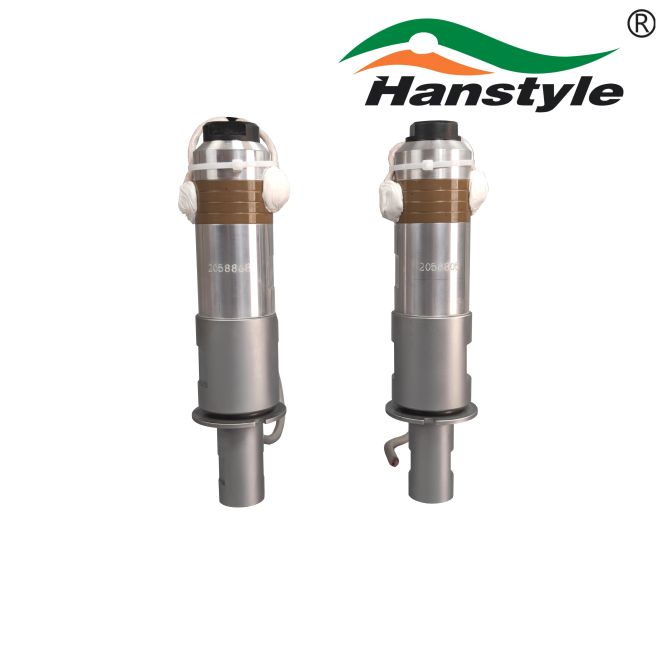
Introduction to ultrasonic piezoelectric transducers
Ultrasonic piezoelectric transducers are pivotal components used across various industries for applications such as medical imaging, industrial non-destructive testing (NDT), and precision measurement systems. At the core of these transducers lies the active element, a piezoelectric material, responsible for converting electrical energy into mechanical (acoustic) energy and vice versa. This conversion is achieved through the piezoelectric effect, where certain materials generate an electric charge in response to applied mechanical stress, or alternatively, change shape when an electric field is applied.
The Active Element: Heart of the Transducer
Composition and Functionality
The active element is the linchpin of ultrasonic transducers, functioning by utilizing polarized materials with electrodes attached to opposing faces. When an electric field is applied, the polarized molecules align with the field, inducing a dimensional change through electrostriction. Upon mechanical deformation, these materials generate an electric field, illustrating the piezoelectric effect. The dual functionality of transforming electrical energy into sound waves and receiving reflected waves makes these elements essential for varied applications.
Traditional Piezoelectric Materials: Quartz and Barium Titanate
Early Developments
Before the dominance of piezoelectric ceramics, materials such as quartz (SiO2) and barium titanate (BaTiO3) were predominantly used in transducers. Quartz, a naturally occurring crystal, was favored for its stability and consistency, while barium titanate, introduced in the 1940s, marked a significant advancement in piezoelectric technology, offering a higher piezoelectric constant than quartz. These materials paved the way for modern piezoelectric ceramics, but are still sometimes referenced as crystals in the NDT field.
Dominance of Lead Zirconate Titanate (PZT)
Properties and Advantages
In the 1960s, the introduction of lead zirconate titanate (PZT) revolutionized ultrasonic transducers. PZT became the material of choice due to its superior piezoelectric properties, ease of manufacture, and versatility in shape and size. PZT operates efficiently at low voltages and can withstand temperatures up to 300°C, making it ideal for high-performance transducers. This material is prevalent in wholesale and factory production of transducers, where manufacturers emphasize reliability and cost-effectiveness.
Emerging Materials: Piezo-Polymers and Composites
Innovation and Applications
Beyond traditional ceramics, new materials such as piezo-polymers and composites are gaining traction. Polyvinylidene fluoride (PVDF), a flexible piezoelectric polymer, offers advantages in applications requiring large-area sensors or flexible forms. Piezo-composites, often combining ceramics with polymers, enhance the mechanical and electrical properties, providing tailored solutions for specific industrial needs. These materials are integral in manufacturing contexts, where adaptability and precision are crucial.
Acoustic Impedance Matching in Transducers
Principles and Techniques
For ultrasonic waves to effectively transmit between the transducer and the target medium, acoustic impedance matching is essential. The impedance mismatch between piezoelectric ceramics and the transmission medium, such as air or water, necessitates the use of matching layers. These layers, often composed of composite materials with a polymer matrix and hollow powder, optimize energy transfer. Successful impedance matching is vital in transducer manufacturing, affecting both efficiency and performance.
Understanding the Structure of Ultrasonic Transducers
Components and Configurations
Ultrasonic transducers comprise several key components: the piezoelectric element, acoustic matching layers, and damping layers. The configuration of these components influences the transducer's operational frequency and sensitivity. The thickness of the piezoelectric element correlates directly with the desired frequency, with thinner elements yielding higher frequencies. Manufacturers in the transducer factory setting must balance these parameters to achieve desired specifications for each application.
Design Principles: Transmitter, Receiver, and Transceiver
Frequency and Efficiency Optimization
Ultrasonic transducers can function as transmitters, receivers, or transceivers, each with specific design requirements. Transmitters are optimized to operate at frequencies aligned with the resonance frequency, while receivers are tuned to the anti-resonant frequency for efficient reception. Transceivers operate between these frequencies, providing balanced performance. The design considerations in wholesale production focus on maximizing efficiency, sensitivity, and overall performance across diverse application scenarios.
Technological Innovations in Piezoelectric Materials
Lead-Free Alternatives and Advanced Composites
Recent technological advancements prioritize environmental sustainability alongside performance. Lead-free piezoelectric materials are being developed to provide safer alternatives to traditional PZT. Advanced composites, incorporating nanotechnology, are enhancing the electromechanical properties of piezoelectric materials. These innovations are being implemented in factories to create transducers that meet stringent regulatory standards while delivering high performance.
Applications and Future Trends in Ultrasonic Transducers
Diverse Use Cases and Emerging Technologies
Ultrasonic transducers have a broad spectrum of applications, from medical imaging to industrial inspections. Emerging technologies, such as high-resolution imaging and real-time monitoring, are driving the demand for advanced transducer designs. The future landscape will likely see increased integration of smart technologies and data analytics, providing enhanced functionality and precision. Manufacturers and wholesalers are continually adapting to these trends, ensuring that their products align with the evolving market demands.
Hanspire Provide Solutions
Hanspire specializes in providing comprehensive solutions for ultrasonic transducer needs, catering to a wide range of industrial and medical applications. By leveraging advanced materials and cutting-edge technology, Hanspire ensures high-quality transducers that meet specific client requirements. Our commitment to innovation and customer satisfaction positions us as a leading manufacturer in the industry, offering reliable products from our state-of-the-art factory. Trust Hanspire for your wholesale ultrasonic transducer requirements, where performance and precision are guaranteed.
