


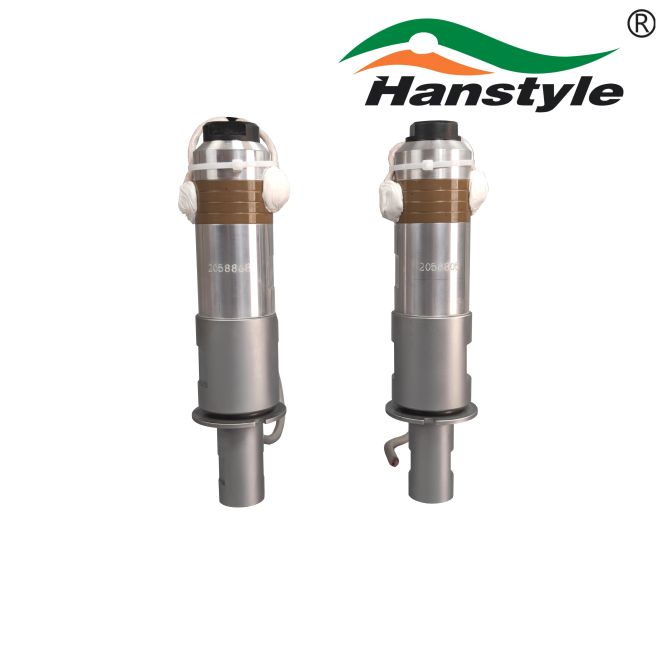
Ultrasonic transducers are at the heart of various modern applications, ranging from industrial cleaning systems to sophisticated medical devices. However, like any complex technology, they can present challenges. This article provides an in-depth look at troubleshooting issues related to 40khz ultrasonic transducers, whether sourced from a wholesale supplier or directly from a manufacturer or factory.
Understanding 40kHz Ultrasonic Transducers
● Functionality and Applications
A 40kHz ultrasonic transducer operates by converting electrical energy into mechanical sound waves at an ultrasonic frequency of 40 kHz. This high frequency allows for applications such as distance measurement, cleaning, and even medical diagnostics. The precise frequency delivers effective results due to its ability to penetrate various mediums and bounce off surfaces, providing feedback in systems that rely on accurate sound wave interpretation.
● Common Components and Configurations
A standard 40kHz ultrasonic transducer consists of a piezoelectric crystal, an electrical circuit, and a protective housing. These components work in unison to produce and receive ultrasonic waves. Configurations may vary based on the application, but the core components remain. Understanding these elements is crucial for troubleshooting any operational issues, ensuring that each part functions correctly within the system.
Identifying Common Issues in Ultrasonic Transducers
● Signal Distortion and Noise
Signal distortion is a prevalent issue that can affect the accuracy and reliability of ultrasonic transducers. External electronic interference often causes this, or it can result from improper grounding or shielding of the electrical components. Noise, another common problem, can stem from environmental factors such as vibration or temperature fluctuations, impacting the transducer's performance.
● Common Mechanical Failures
Mechanical failures in a 40kHz ultrasonic transducer may include physical damage to the piezoelectric element or structural faults in the housing. These failures can lead to a loss of signal or complete operational shutdown. Regular inspections and maintenance are crucial for detecting potential mechanical issues early, preventing long-term damage and costly repairs.
Diagnosing Electrical Problems
● Analyzing Power Supply Issues
Electrical problems often originate from the power supply, affecting the transducer's ability to produce consistent ultrasonic signals. Voltage inconsistencies can lead to operational instability. Diagnosing these issues involves checking for stable voltage levels and ensuring that the power supply delivers adequate power for optimal transducer function.
● Checking Signal Processing Components
Signal processing components, including amplifiers and filters, play a vital role in the performance of a 40kHz ultrasonic transducer. Issues in these areas can lead to inaccurate readings and poor signal clarity. Diagnosing signal processing issues involves validating each component’s performance and ensuring that filters and amplifiers are correctly calibrated.
Resolving Transducer Ringing Effects
● Understanding the Impact of Ringing
Ringing occurs when an ultrasonic transducer continues to oscillate after the excitation signal stops. This can interfere with signal interpretation, leading to inaccurate results. It is essential to differentiate between normal oscillation and excessive ringing, which may indicate an underlying issue with the transducer's setup or environment.
● Techniques to Minimize Ringing Duration
Minimizing ringing involves using damping methods to absorb excess energy, thus reducing oscillation duration. These can include adding damping materials or adjusting the transducer's mounting configuration. Additionally, optimizing the electronic drive signals can help to mitigate ringing, providing clearer and more accurate readings.
Addressing Signal Reflection Problems
● Identifying Unintended Reflectors
Signal reflections can cause ghost readings, particularly in environments with multiple reflective surfaces. Identifying unintended reflectors involves analyzing the operational environment and pinpointing objects or surfaces that could deflect ultrasonic waves back to the transducer. Adjusting the placement of these objects or changing the orientation of the transducer can help reduce these interference effects.
● Adjusting Transducer Focus and Position
The focus and positioning of a 40kHz ultrasonic transducer are critical for preventing unwanted reflections. Adjustments to the angle or distance from the target can significantly improve signal accuracy and reduce erroneous readings. Implementing these changes requires careful measurement and calibration to ensure the transducer delivers optimal performance.
Mitigating Cross-talk and Interference
● Understanding Sources of Cross-talk
Cross-talk occurs when signals from multiple transducers interfere with each other, leading to distorted readings. This is common in systems employing multiple transducers operating in close proximity. Identifying sources of cross-talk involves analyzing signal pathways and isolating offending channels that may be causing interference.
● Implementing Shielding and Isolation Techniques
To mitigate cross-talk, employing shielding and isolation techniques is essential. This can include using physical barriers or implementing electronic filters to separate signals. Additionally, timing control strategies, such as alternating the operation of transducers, can help reduce interference and ensure accurate signal processing.
Enhancing Signal Reception Clarity
● Using Timed Gain Control (TGC)
Timed gain control (TGC) involves adjusting the amplifier gain based on the distance from the transducer. By dynamically changing the gain, TGC compensates for signal loss over distance, providing a clearer and more accurate reception. Implementing TGC requires careful calibration to match the specific needs of the application and environment.
● Implementing Noise Filters and Smoothing Techniques
Noise filters and smoothing techniques are vital for enhancing signal reception clarity. Noise filters eliminate unwanted frequencies, while smoothing techniques enhance signal quality. Employing these strategies enables a 40kHz ultrasonic transducer to produce more reliable data, essential for precise measurement and analysis.
Innovative Solutions for Improved Performance
● Utilizing Phased Signal Driving Techniques
Phased signal driving involves controlling the phase of the transmitted ultrasonic waves to enhance the clarity and precision of the signal. This technique allows for more accurate control over the wave patterns, reducing errors caused by interference or reflection. Employing phased signal driving requires sophisticated control systems but can significantly improve transducer performance.
● Advanced Modulation Methods for Clarity
Advanced modulation methods such as frequency modulation or amplitude modulation can enhance the clarity of signals received by a 40kHz ultrasonic transducer. These methods improve the transducer's ability to differentiate between signals, enhancing accuracy in environments with various potential interferences or noise sources.
Maintenance and Preventive Measures
● Routine Checks and Component Replacements
Routine maintenance is key to extending the life of a 40kHz ultrasonic transducer. This includes regular checks of electrical connections, calibration of signal processing components, and inspection for signs of wear or damage. Replacing components before they fail can prevent unexpected downtime and maintain reliable transducer performance.
● Cleaning and Environmental Considerations
Environmental factors, such as dust and moisture, can affect the performance of an ultrasonic transducer. Implementing regular cleaning schedules and addressing environmental concerns can help maintain operational efficiency and prolong the lifespan of the transducer. Proper sealing and protective housing can mitigate many environmental risks.
Future Trends in Ultrasonic Transducer Technology
● Emerging Materials and Design Innovations
The future of ultrasonic transducers lies in emerging materials and innovative designs that promise improved performance and durability. Advances in piezoelectric materials and miniaturization of components are paving the way for more efficient and versatile transducers. These developments will expand the potential applications for 40kHz ultrasonic transducers, making them more accessible to a broader range of industries.
● Integration with IoT and Smart Devices
The integration of 40kHz ultrasonic transducers with IoT and smart devices represents a significant trend in the industry. This integration allows for real-time data monitoring and remote diagnostics, enhancing the functionality and efficiency of ultrasonic systems. As technology advances, the capabilities of ultrasonic transducers will continue to grow, offering new solutions to complex challenges.
---
● Hanspire: Pioneers in Ultrasonic Technology
Hangzhou Hanspire Automation Co., Ltd., established in 1993, operates from a state-of-the-art facility in Hangzhou City. With over 150 dedicated employees, Hanspire specializes in various industrial domains, including ultrasonic automation. The company’s commitment to quality and innovation has solidified its standing as a leading provider of ultrasonic technology. Through continuous research and development, Hanspire ensures its products meet stringent quality standards, supported by advanced manufacturing capabilities and strategic branches in key Chinese cities and abroad. Whether seeking a reliable 40kHz ultrasonic transducer supplier or a bespoke solution, Hanspire delivers with excellence.
