


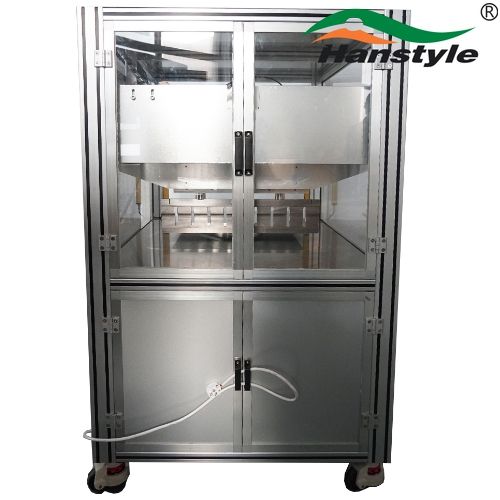
Wrestling giant sheets of material on the floor again, measuring three times and still cutting crooked? Don’t worry—you’re not cursed, you just need a smarter way to slice those big, floppy beasts.
Vertical cutters turn chaos into clean, accurate cuts, saving your back, your time, and your sanity. Learn why precise cutting matters in this OSHA machine safety report and start cutting large sheets the easy way.
🧰 Preparing Your Workspace and Securing Large Sheets for Vertical Cutting
Set up a clear, level workspace before using a vertical cutter. Good support, lighting, and clamping keep large sheets stable and help you cut straighter lines.
Plan how you will move heavy sheets and remove cut pieces. This reduces strain, prevents tipping, and keeps your cutting area safe and productive.
1. Clear and Level the Cutting Area
Remove clutter and check that floors and support tables are flat. A level base keeps sheets from bending and stops the cutter from drifting off the line.
- Use sturdy tables or stands
- Keep cables and tools out of walkways
- Check for wobble before lifting sheets
2. Support the Full Sheet
Support the entire sheet length so it does not sag. This is vital for glass, plastic, foam, and food blocks that can flex or crack.
| Material | Recommended Support |
|---|---|
| Metal/Plastic | Roller stands or flat tables |
| Foam/Food | Non-slip, washable platforms |
3. Secure with Clamps or Stops
Use clamps, fences, or mechanical stops to hold the sheet in place. This prevents shift and improves repeat accuracy on multiple cuts.
- Use quick-release clamps for fast setups
- Set fixed stops for repeated sizes
4. Check Alignment to the Cutter Rail
Align the sheet edge square to the vertical rail. Misalignment leads to tapered parts and wasted material, especially on long or narrow strips.
📏 Measuring, Marking, and Planning Accurate Vertical Cut Lines
Accurate cuts start with clear measurements and high-contrast marks. Use simple tools and repeat checks to avoid scrap, rework, and alignment issues.
Plan all cuts before you start. Group similar widths, minimize offcuts, and mark reference edges to keep each vertical cut consistent.
1. Use Reliable Measuring Tools
Use steel rules, tape measures, and squares that are easy to read. Recheck key dimensions before you clamp or power on the cutter.
- Prefer metric or imperial consistently
- Check tape hooks for damage
2. Mark Clear, Visible Cut Lines
Use pencils for porous sheets and markers or scribe tools for slick surfaces. Keep marks just outside the final dimension for clean trimming.
3. Plan Cut Sequence to Reduce Waste
Cut larger sections first, then trim to final size. This helps keep control of the sheet and reduces handling of very narrow strips.
| Step | Priority |
|---|---|
| Main length cuts | Highest |
| Width trimming | Medium |
| Small pieces | Last |
4. Analyze Accuracy and Scrap with Data
Tracking error and scrap helps you tune your vertical cutting process. A simple bar chart can show where you lose the most material.
🪚 Setting Up the Vertical Cutter for Smooth, Straight Cuts
Check alignment, blade condition, and cutting speed before each job. A well-set vertical cutter produces clean edges and reduces tool wear.
When cutting food, rubber, or frozen products, consider ultrasonic systems for cleaner, low-resistance cuts and reduced sticking on blades.
1. Verify Rail and Fence Alignment
Use a square to check that the vertical rail is truly perpendicular to the base. Small alignment errors quickly grow on long cuts.
2. Select the Right Blade or Ultrasonic Tool
Match the cutting tool to the sheet material. For food blocks, a High Precision Stability 20KHz Ultrasonic Food Cutting Machine With Double Cutting Blades delivers fast, clean slices.
3. Set Feed Speed and Pressure
Use steady, moderate feed. For rubber or tires, a Fast Speed High Precision Ultrasonic Rubber Cutter For Automobile Tire Industry maintains speed without heavy force or overheating.
🧤 Safety Practices When Handling Heavy Sheets and Operating Vertical Cutters
Use safe lifting methods, proper PPE, and clear communication. Heavy sheets can shift suddenly and cause serious injuries if handled poorly.
Follow lockout, guarding, and housekeeping rules so operators and helpers can work confidently around powered vertical cutting systems.
1. Lift and Move Sheets Safely
Use team lifts, carts, or cranes for heavy or bulky sheets. Keep fingers away from pinch points while sliding material into position.
- Bend knees, not your back
- Use suction lifters for smooth panels
2. Wear and Use the Right Protection
Safety glasses, cut-resistant gloves, and non-slip footwear are essential. For food cutting, follow hygiene and glove rules from your plant.
3. Follow Machine Safety Controls
Check guards, emergency stops, and interlocks before starting. Never bypass safety devices to “save time”; downtime from accidents is always longer.
🔧 Maintenance Tips and When to Choose Hanspire Vertical Cutters
Regular cleaning, lubrication, and blade changes keep your vertical cutter precise. Predictable maintenance also prevents sudden downtime in busy shifts.
Choose Hanspire ultrasonic vertical cutters when you need high speed, low waste, and clean edges in food, rubber, or frozen products.
1. Daily and Weekly Maintenance Tasks
Clean guides, remove chips or crumbs, and inspect cables. Lubricate moving parts on the schedule in your manual to protect accuracy.
- Wipe down rails after each shift
- Log blade changes and hours used
2. Monitor Blade and Horn Condition
Dull blades cause heat and poor edges. For frozen cakes and cheese, a High Amplitude Stable 20KHz/40KHz Ultrasonic Food Cutter For Cutting Frozen Cakes And Cheese maintains sharp, low-friction cuts.
3. Decide When to Upgrade Equipment
If scrap, labor time, or cleaning effort keep rising, upgrading to a modern Hanspire vertical cutter can boost throughput and cut quality.
Conclusion
Vertical cutters handle large sheets safely and accurately when you plan the workspace, measure with care, and maintain the machine on schedule.
By adding ultrasonic solutions where needed, you improve edge finish, reduce sticking, and increase yield across food, rubber, and advanced sheet materials.
Frequently Asked Questions about vertical cutting machine
1. What materials can a vertical cutting machine handle?
Vertical cutting machines can process metal, plastic, rubber, foam, glass, and food blocks. The right blade or ultrasonic tool is key for each material.
2. How do I improve cut accuracy on large sheets?
Level the support surface, align the sheet to the rail, double-check measurements, and secure the sheet with clamps or stops before starting each cut.
3. When should I choose an ultrasonic vertical cutter?
Use ultrasonic systems when you cut sticky, soft, or layered materials, such as cakes, cheese, and rubber, and need clean, low-force, high-speed cuts.