


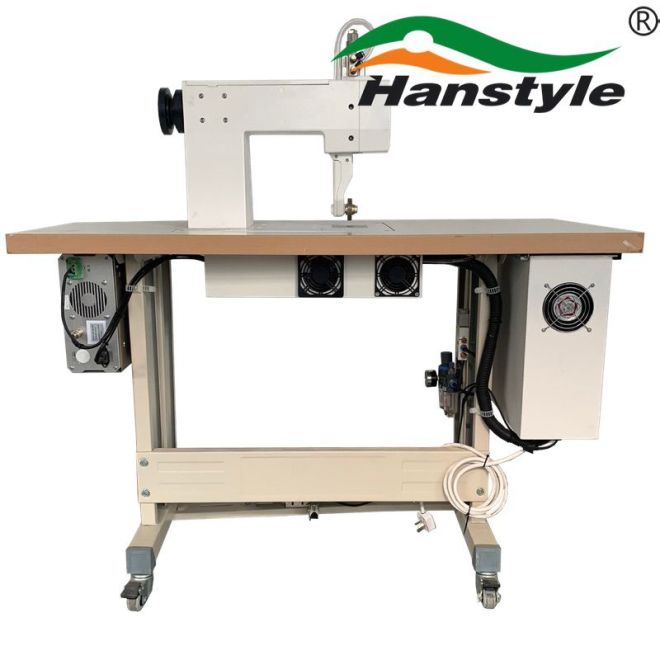
Introduction to ultrasonic welding machines
Ultrasonic welding machines are integral to modern manufacturing processes, offering a precise, efficient, and environmentally friendly method for joining materials. This technology is crucial in various industries, from electronics to automotive manufacturing. Wholesale manufacturers and factories leverage this method to produce strong, clean joints without the need for additional materials such as adhesives or filler rods. This article delves into the workings of ultrasonic welding machines, focusing on their components, operation, and advantages.
Principles of Ultrasonic Waves
Understanding Ultrasonics
Ultrasonic waves operate at frequencies beyond the upper limit of human hearing, typically between 20 kHz and 70 kHz in welding applications. These high-frequency sound waves cause molecules in materials to oscillate, generating frictional heat. This heat is pivotal in welding thermoplastics and thin metal parts by causing the materials to melt and fuse at a molecular level.
Frequency and Amplitude
The frequency and amplitude of the ultrasonic waves are crucial parameters. Frequency determines the speed of oscillation, while amplitude refers to the extent of the wave's oscillation. A precise control over these parameters ensures effective energy transfer and consistent welding results in a factory setting. For manufacturers, maintaining a high-quality weld is essential for product integrity and longevity.
Components of an Ultrasonic Welding System
Active Components
The active components of an ultrasonic welding system are responsible for generating and transmitting ultrasonic vibrations. These include:
- Ultrasonic Generator: Converts low-frequency electrical power to high-frequency electrical signals needed for welding.
- Converter: Transforms electrical signals into mechanical vibrations using the piezoelectric effect.
- Booster: Modifies the amplitude of the vibrations to suit specific welding requirements.
- Sonotrode: Also known as the weld tool, it evenly transmits ultrasonic waves into the materials being joined.
Passive Components
Passive components play a supportive role in the ultrasonic welding process:
- Fixture: Holds materials securely in place to ensure precise welding.
- Anvil: Focuses energy on the joint area, enhancing the effectiveness of the weld.
Process of Ultrasonic Welding
Step-by-Step Process
The ultrasonic welding process is straightforward yet involves various critical stages:
- Preparation: Components are aligned and fixtured correctly.
- Vibration: The generator and converter produce ultrasonic vibrations.
- Energy Transfer: The sonotrode transfers these vibrations to the joint area, causing heat generation.
- Fusion: Materials soften and fuse without any additional bonding agents.
- Cooling: The melted materials cool under pressure, forming a durable weld.
Importance of Frequency and Amplitude
Optimal Energy Transfer
Effective ultrasonic welding relies on precise control of frequency and amplitude, which ensures the right amount of energy is delivered to the joint. Factories and manufacturers adjust these parameters according to the materials used to achieve optimal bonding. For instance, lower amplitudes may be suitable for delicate parts, whereas more robust components might require higher amplitudes.
Energy Focusing in Ultrasonic Welding
Maximizing Efficiency
Energy focusing is a critical aspect of ultrasonic welding that involves directing vibration energy to a specific point. This precision minimizes energy waste and ensures that the heat generated is sufficient for welding the components. Manufacturers design components and tools with specific geometries, such as energy directors, to enhance energy focusing.
Advantages of Ultrasonic Welding
Efficiency and Quality
Ultrasonic welding offers numerous advantages for manufacturers and factories, including rapid processing times, clean welds, and minimal material waste. The method's precision and ability to join dissimilar materials without additional substances make it highly desirable in industries such as medical device production and electronics manufacturing.
Historical Development of Ultrasonic Welding
Evolution of the Technology
The concept of ultrasonic welding has evolved significantly since its inception in the 20th century. Initially, it was used for hard, compatible plastics but has since expanded to include various materials and applications. The constant advancement in this technology has resulted in widespread adoption across different sectors, including automotive and aerospace industries.
Uses Across Industries
Broad Applications
Ultrasonic welding's versatility is seen in its widespread use across industries. Wholesale manufacturers of automotive components, for instance, rely on ultrasonic welding for assembling parts due to its speed and reliability. Similarly, this method is essential in electronics factories, where precision is crucial for assembling circuit boards and connecting delicate components.
Modern Developments in Ultrasonic Welding Technology
Innovations and Future Trends
Recent advances in ultrasonic welding technology have focused on increasing efficiency and expanding its applicability. Innovations such as automated systems and real-time monitoring have enhanced production capabilities and product quality for factories and manufacturers. As technology progresses, ultrasonic welding is expected to become even more integral to modern manufacturing processes.
Hanspire Provide Solutions
At Hanspire, we offer cutting-edge ultrasonic welding solutions tailored to the specific needs of manufacturers and factories. Our advanced systems are designed to enhance efficiency, ensure consistent weld quality, and reduce production costs. Whether you’re a wholesale manufacturer seeking to optimize your production line or a factory aiming to improve product integrity, Hanspire provides comprehensive solutions that meet and exceed industry standards.
