


Introduction
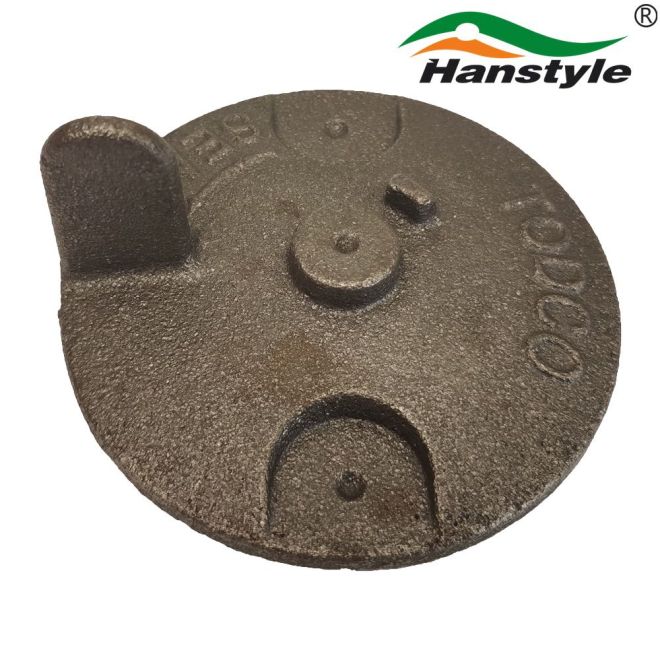
In modern manufacturing, the role of casting parts is critical in creating a diverse range of products across industries such as automotive, aerospace, construction, and more. As industrial demands increase, so does the need for durable and efficient components. This article explores how the casting process significantly enhances the durability and efficiency of parts. It also highlights the importance of choosing the right casting parts manufacturer and supplier to ensure quality products, whether for wholesale or specific industrial needs.
Understanding Quality Casting Processes
● Different Casting Techniques
Casting is a manufacturing process wherein a molten metal is poured into a mold to create complex shapes. There are various casting techniques, each with unique strengths. Die casting , for instance, is ideal for producing high-precision parts with excellent surface finish, making it perfect for large-volume manufacturing. Sand casting is known for its versatility and can produce large components, albeit with a rougher surface finish. Investment casting , or lost-wax casting, provides exceptional accuracy and is suited for intricate designs. Each method requires specific quality control measures according to project demands and specifications.
● Role of Quality Control in Casting
Quality control in casting is non-negotiable, as even minor defects can lead to significant failures in the final product. Ensuring materials are of high quality, molds are designed accurately, and processes are monitored closely is crucial. The casting parts factory must adhere to stringent quality checks to maintain the integrity and performance of the parts produced.
Material Selection for Durable Cast Parts
● Importance of Selecting the Right Materials
Choosing the appropriate material is a critical step in quality casting. Materials like aluminum, steel, and iron each have distinct properties that suit different applications. Aluminum is lightweight and corrosion-resistant, making it ideal for automotive and aerospace industries. Steel , known for its strength and durability, is often used where toughness is paramount. The material chosen must align with the casting process and the intended application to achieve the desired durability and efficiency.
● Comparing Material Properties
Understanding the material properties, such as strength, flexibility, wear resistance, and corrosion resistance, is vital when selecting casting parts. These properties influence the longevity and performance of the final product. For instance, in environments where components are exposed to extreme conditions, selecting a material with high resilience and minimal degradation is essential.
Precision in Mold Design and Its Impact
● How Precise Mold Designs Contribute to Quality
The design of the mold significantly affects the quality of the cast parts. A well-engineered mold ensures even metal flow, complete cavity filling, and uniform cooling—all crucial for reducing defects like porosity or misalignment. Utilizing advanced computer-aided design (CAD) tools, casting parts manufacturers can create precise molds that meet exact specifications, enhancing both the durability and efficiency of the cast components.
● Technology Used in Designing Precise Molds
Modern technology, including sophisticated simulation software, allows casting parts suppliers to anticipate potential issues and optimize mold designs accordingly. This approach ensures that the casting process is efficient and yields high-quality results with minimal defects, ultimately supporting the production of durable and reliable components.
Advanced Casting Techniques for Enhanced Efficiency
● Overview of Modern Casting Methods
Modern casting methods such as die casting and investment casting provide unparalleled efficiency and precision. Die casting involves forcing molten metal under high pressure into a mold cavity, resulting in dense material and high accuracy. Investment casting can produce complex parts with a desirable surface finish, making it suitable for manufacturing intricate components with precise tolerances.
● Benefits of Using Advanced Techniques for Intricate Designs
These advanced casting techniques offer significant benefits, particularly for parts with complex geometries and tight tolerances. They ensure that each component is manufactured to the highest standards of precision and quality, enhancing both the functionality and durability of the parts. For industries heavily reliant on high-performance components, such as aerospace and automotive, these methods are indispensable.
Post-Casting Treatments and Their Benefits
● Importance of Post-Casting Processes
The casting process does not end with solidification; post-casting treatments are equally important. These processes, such as heat treatment, machining, and surface finishing, play a vital role in enhancing the mechanical and aesthetic properties of cast parts.
● How These Treatments Improve Part Durability and Performance
Heat treatment can significantly improve the strength and hardness of cast parts, making them more resistant to wear and impact. Machining ensures the components meet tight dimensional tolerances, while surface finishing enhances appearance and provides an additional layer of protection against corrosion. These treatments collectively ensure that casting parts are not only durable but also operate efficiently within their intended applications.
Case Studies: Success Stories from Casting Applications
● Quality Casting in Aerospace
Turbine blades, a critical component within the aerospace sector, operate under extreme stress and high temperatures. Using investment casting, manufacturers create blades that maintain their structural integrity and performance over time, ensuring aircraft safety and efficiency. This method demonstrates how precise and durable components are vital within the aerospace industry.
● Quality Casting in Automotive Manufacturing
In automotive manufacturing, components like engine blocks and transmission housings require resilience against high stress and temperatures. Die casting allows for the production of such parts with reduced weight and enhanced strength, contributing to more fuel-efficient vehicles. This technique highlights the importance of selecting the right casting method to improve vehicle performance and efficiency.
Challenges in Achieving Quality Casting
● Common Issues Encountered in Casting
Despite its advantages, achieving quality casting presents challenges such as defects (e.g., porosity, shrinkage), material inconsistencies, and process variations. These issues can compromise the integrity and performance of the final product, underscoring the need for stringent quality control and monitoring.
● Strategies for Overcoming These Challenges
To mitigate these challenges, casting parts factories employ advanced technologies like simulation software and automated inspection systems. Simulation software enables manufacturers to predict and address potential defects before production commences. Automated inspection techniques, such as X-ray and ultrasonic testing, detect internal flaws, ensuring only defect-free parts are used, especially in critical applications.
Innovations Driving the Future of Casting
● Emerging Technologies in Casting
The casting industry continues to evolve with innovations designed to improve the quality and reliability of parts. Technologies like additive manufacturing and real-time process monitoring are becoming increasingly integrated into casting processes, offering new possibilities for complex component production.
● How These Innovations Are Setting New Standards
These innovations are setting new standards by enhancing precision and efficiency, reducing waste, and enabling the production of increasingly complex geometries. As a result, casting parts suppliers are better equipped to meet the growing demands for high-quality, durable components across various industries.
Conclusion: The Critical Role of Casting in Industry Success
Casting parts play a pivotal role in enhancing the durability and efficiency of components across multiple industries. As technology advances and the demand for high-quality parts grows, the importance of casting in manufacturing becomes even more pronounced. Choosing the right casting parts manufacturer or supplier—whether for wholesale casting parts or specific projects—is crucial to achieving superior performance and reliability. Companies that invest in advanced casting processes and technologies will continue to lead in producing durable, efficient components.
● Introduction to Hanspire
Hangzhou Hanspire Automation Co., Ltd., a leader in the machinery casting and ultrasonic technology industries, has been pioneering innovations since 1993. With a comprehensive suite of facilities, including medium-frequency electric furnaces and advanced testing equipment, Hanspire ensures exceptional product quality. ISO9001-2000 certified, Hanspire is committed to excellence, providing high-quality casting parts, laminating machines, and customized solutions. Hanspire's dedication to quality and innovation has earned it a stellar reputation in both domestic and international markets. Quality determines the future, and Hanspire Automation remains steadfast in its pursuit of excellence.
