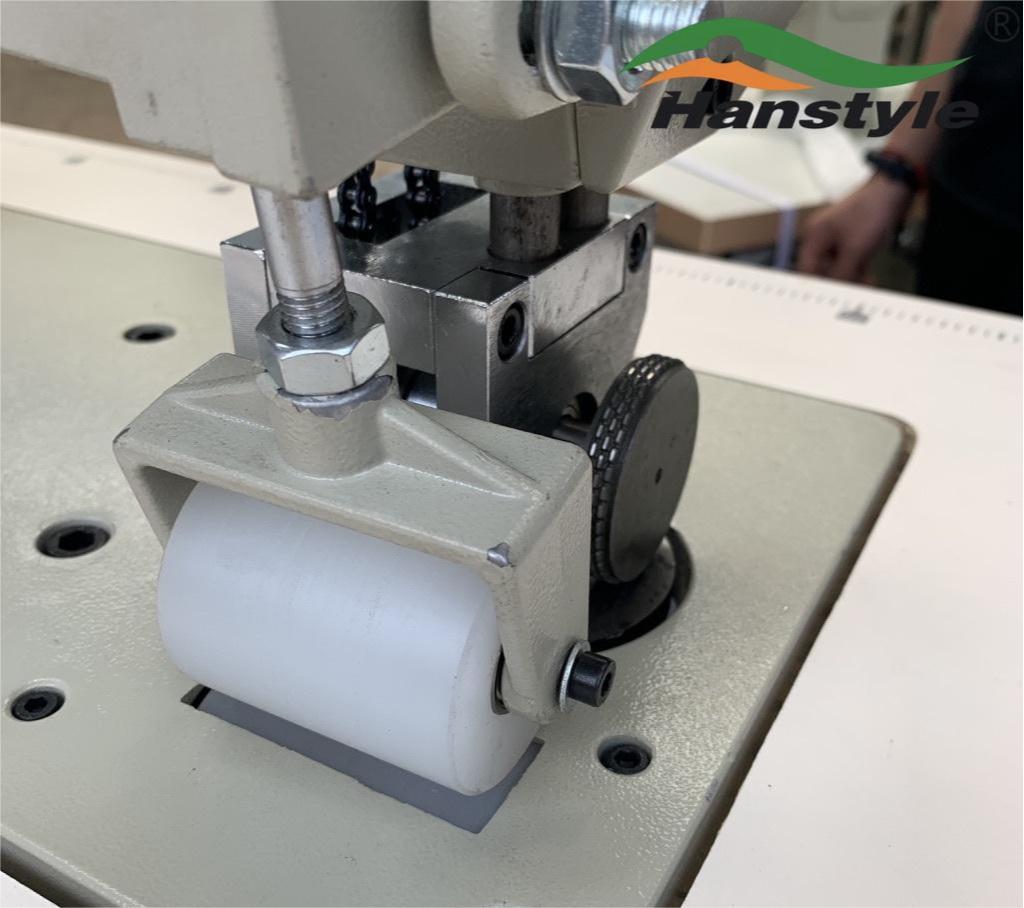

Manufacturer Double Motor Ultrasonic Transducer Machine
Product Main Parameters
| Model No | H-US15/18, H-US20A, H-US20D, H-US28D, H-US20R, H-US30R, H-US35R |
|---|---|
| Frequency | 15KHz / 18KHz, 20KHz, 28KHz, 30KHz, 35KHz |
| Power | 2600W, 2200W, 2000W, 800W, 1000W |
Common Product Specifications
| Speed (m/min) | 0-18, 0-15, 50-60 |
|---|---|
| Melting Width (mm) | ≤80, ≤60, ≤12 |
| Dimensions | 1280*600*1300mm |
Product Manufacturing Process
The ultrasonic transducer manufacturing process involves precision crafting of piezoelectric crystals and meticulous assembly into transducer units. This method ensures high efficiency in converting electrical energy into mechanical vibrations. Extensive testing is conducted to maintain the integrity of the transducers, ensuring they meet the rigorous standards required for consistent performance in various industrial applications. Such precision in manufacturing guarantees the longevity and reliability of the ultrasonic transducers, aligning with industry standards discussed in numerous authoritative publications.
Product Application Scenarios
Ultrasonic transducers are utilized in numerous sectors, including medical imaging, industrial non-destructive testing, and material bonding. In non-woven fabric processing, these transducers provide seamless welding without adhesives, maintaining the integrity of materials. Research in authoritative journals highlights their role in improving production efficiency and product durability in textile manufacturing and other industries reliant on fast, reliable bonding methods.
Product After-sales Service
We offer comprehensive after-sales support, including maintenance, spare parts supply, and technical assistance, ensuring customer satisfaction and prolonged equipment lifespan.
Product Transportation
Our products are securely packaged and shipped using reliable logistics partners, ensuring timely and safe delivery to both domestic and international locations.
Product Advantages
- High efficiency and low operational cost
- No consumables required
- Fast and accurate bonding
Product FAQ
- What makes Hanspire's ultrasonic transducers stand out? Hanspire's ultrasonic transducers are crafted with precision, ensuring high conversion efficiency and reliability, attributed to advanced manufacturing techniques and quality components.
- Can ultrasonic transducers be used on all fabric types? While they excel with synthetic and non-woven materials, success with other fabric types depends on specific material properties, which can be evaluated by the manufacturer.
- How does the ultrasonic transducer improve production speed? By eliminating the need for thread or adhesives, our transducers significantly reduce cycle times, enhancing throughput.
- What maintenance is required for these machines? Regular inspections and cleaning of components ensure optimal performance, with specific guidelines provided by the manufacturer.
- What industries benefit most from ultrasonic transducer technology? Industries such as textiles, automotive, and medical benefit greatly, as noted by numerous studies on their application.
- What safety features are incorporated? Built-in safeguards ensure operator safety, aligning with industry standards upheld by the manufacturer.
- Is technical support available for troubleshooting? Yes, extensive technical support is provided, including remote diagnostics and on-site service.
- How do ultrasonic transducers impact material quality? They provide precise bonding without compromising material integrity, enhancing overall quality.
- What power requirements are necessary? Standard requirements are 220V/50Hz, as specified for each model.
- Are customizations available? Yes, custom solutions can be tailored to specific industry needs by the manufacturer.
Product Hot Topics
- Optimizing Ultrasonic Transducer Use - Manufacturers are continually exploring ways to harness the full potential of ultrasonic transducers. Factors such as frequency, power, and application techniques are scrutinized to optimize results.
- Advancements in Ultrasonic Technology - The development of new piezoelectric materials is pushing the boundaries of what ultrasonic transducers can achieve. Manufacturers strive to incorporate these advancements to enhance performance.
- The Role of Transducers in Sustainability - As manufacturers focus on sustainable production, ultrasonic transducers offer a cleaner alternative by reducing consumables and waste.
- Impact of Transducer Design on Efficiency - Design choices significantly affect transducer efficiency. Manufacturers analyze how structural elements like the backing material can be optimized for better results.
- Customization Trends in Ultrasonic Transducers - Manufacturers are witnessing a rise in demand for customized transducers that cater to specific industry needs, providing tailored solutions for unique challenges.
- Overcoming Transducer Limitations - Research focuses on addressing limitations such as material penetration and attenuation, allowing manufacturers to expand application possibilities.
- Manufacturing Trends in Ultrasonic Technology - The industry is seeing trends towards miniaturization and the creation of more compact, efficient transducers that manufacturers are keen to adopt.
- Transducer Application in Cutting-Edge Industries - Emerging industries like robotics and nanotechnology are exploring ultrasonic transducers for innovative uses, offering manufacturers new markets to tap into.
- Regulatory Standards for Ultrasonic Technology - Keeping up with regulatory standards ensures manufacturers produce transducers that meet international safety and performance criteria.
- Feedback Loop in Transducer Development - Manufacturer and user collaboration is vital in refining transducer technology, with feedback loops playing a key role in product enhancements.
Image Description