
Factory Ultrasonic Homogenizer for Fish Oil Extraction
Product Main Parameters
| Model | Frequency | Power | Voltage | Pressure | Sound Intensity | Probe Material | Generator |
|---|---|---|---|---|---|---|---|
| H-UH20-1000S | 20KHz | 1000 W | 220V | Normal | >10 W/cm² | Titanium Alloy | Digital |
| H-UH20-1000 | 20KHz | 1000 W | 220V | Normal | >10 W/cm² | Titanium Alloy | Digital |
| H-UH20-2000 | 20KHz | 2000W | 220V | 35 MPa | >40 W/cm² | Titanium Alloy | Digital |
| H-UH20-3000 | 20KHz | 3000W | 220V | 35 MPa | >60 W/cm² | Titanium Alloy | Digital |
| H-UH20-3000Z | 20KHz | 3000W | 220V | 35 MPa | >60 W/cm² | Titanium Alloy | Digital |
Common Product Specifications
| Feature | Description |
|---|---|
| Material Compatibility | Suitable for medical and food industries |
| Probe Customization | Available in various sizes and shapes |
| Power Setting Range | 1% to 99% |
| Construction Material | High-quality glass, 304SS, 316L SS |
Product Manufacturing Process
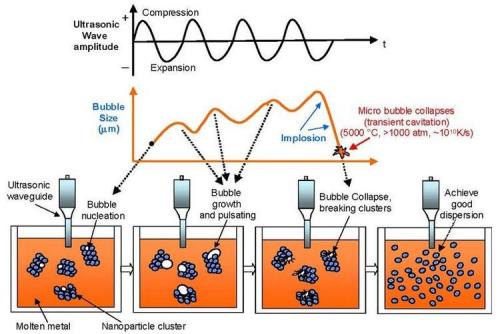
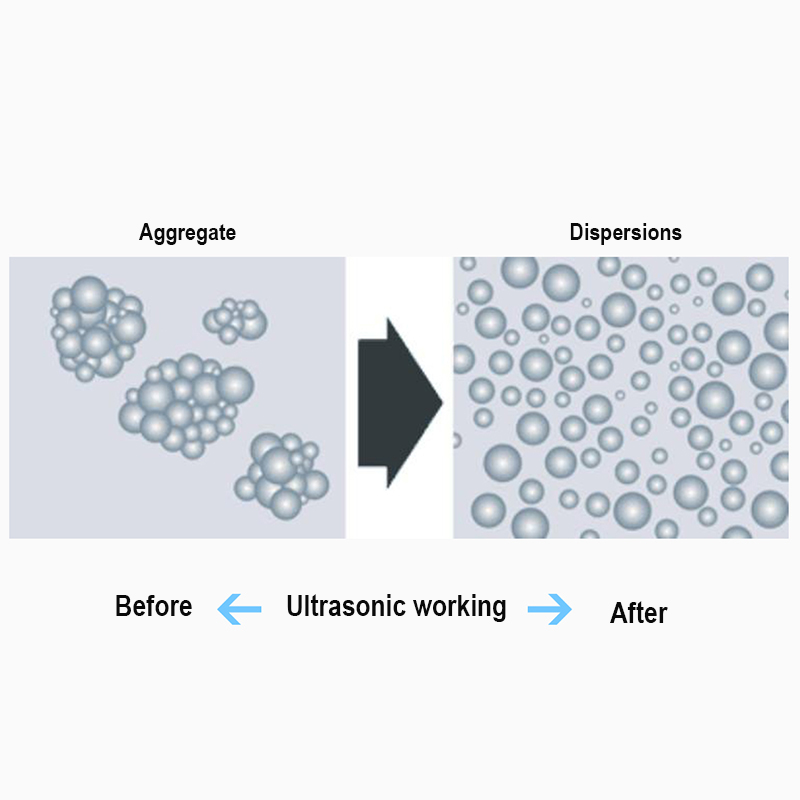
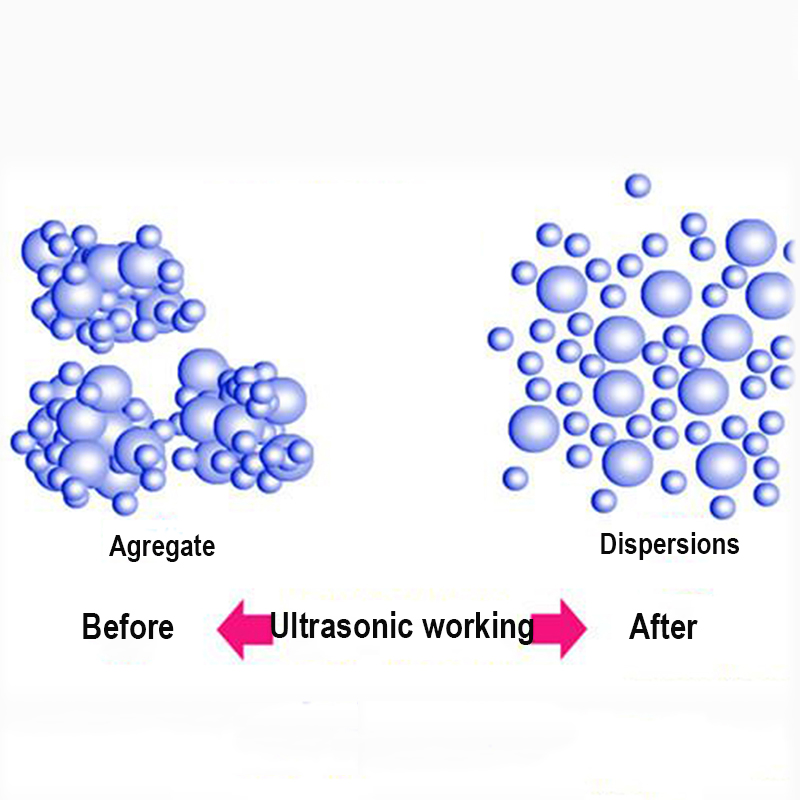
Recent studies have shown that ultrasonic homogenization, as applied in modern factory settings, enhances the efficiency of fish oil extraction by breaking down aggregates and increasing surface area for more effective reactions. This process uses ultrasonic cavitation to disrupt cell walls and release oils, allowing for a more refined and potent product. The introduction of titanium alloy probes ensures high durability and performance across various industrial applications. This advanced method, backed by scientific research, aligns with sustainable practices by reducing chemical usage and increasing yield efficiency, providing a cutting-edge solution for fish oil extraction processes.
Product Application Scenarios
Ultrasonic technology in factory settings has a significant impact on the fish oil extraction industry. It allows for efficient emulsification, crucial in separating high-quality omega-3 oils from fish tissues. This versatile technology finds application not only in fish oil extraction but also in industries such as pharmaceuticals, where precise nano-emulsions are required. Recent papers emphasize the advantages of ultrasonic homogenization in enhancing product purity and reducing processing time. With its adaptability to various scales, ultrasonic homogenizers cater to both laboratory research and large-scale industrial production, making it a go-to choice in modern factory environments.
Product After-Sales Service
- 24/7 customer support via phone and email
- One-year warranty covering parts and labor
- Free training sessions for operational staff
- On-site maintenance available
- Spare parts readily available
Product Transportation
- Secure packaging for safe transport
- Partnership with reliable logistics companies
- Expedited shipping options available
- Tracking services for all shipments
Product Advantages
- Durable titanium alloy probes
- Wide range of applications in factory settings
- High amplitude and power for extended use
- Customizable for specific industrial requirements
Product FAQ
- What is the primary use of this ultrasonic homogenizer in a factory? It is primarily used for emulsifying and extracting high-quality omega-3 oils in fish oil extraction processes, making it essential for industrial applications.
- Why is titanium alloy used for the probe? Titanium alloy is preferred for its durability and compatibility with a wide range of materials, including those used in food and medical industries, ensuring long-term performance in factory settings.
- Can the device operate continuously for long periods? Yes, it is designed for continuous operation, equipped with high amplitude and power capabilities, making it reliable for prolonged factory use.
- How does the generator adapt to different frequencies? The digital generator automatically searches and tracks frequencies, providing stable performance and reducing manual adjustments in factory environments.
- Is it possible to customize the probe? Yes, probes can be customized in various sizes and shapes to meet specific factory requirements, aiding in diverse industrial applications.
- How straightforward is the operation? The device features an intelligent, user-friendly interface, designed for ease of use in busy factory settings, ensuring quick learning curves for staff.
- What materials are used for the reactor tank? High-quality glass, 304SS, and 316L SS are used, ensuring compatibility and durability under various industrial conditions in factories.
- What is the power setting range? The device offers a wide power setting range from 1% to 99%, allowing for fine-tuning as per specific factory process requirements.
- Who are the main users of this equipment? The equipment is widely used by industries involved in fish oil extraction, pharmaceuticals, and any sector requiring high-quality emulsification and extraction processes.
- What support is available post-purchase? Comprehensive support includes a one-year warranty, 24/7 customer service, and on-site maintenance, ensuring minimal downtime in factory operations.
Product Hot Topics
- How ultrasonic homogenizers are revolutionizing fish oil extraction in factories. The integration of ultrasonic technology in factory settings has significantly enhanced the efficiency and quality of fish oil extraction. This advancement is attributed to the ability of ultrasonic homogenizers to break down cell walls and improve oil release, resulting in a higher yield of omega-3 fatty acids. The precision and adaptability of these devices make them indispensable in modern industrial processes.
- Understanding the impact of material choices in ultrasonic equipment for industrial use. Choosing the right materials, like titanium alloy for probes, has a profound impact on the performance and longevity of ultrasonic homogenizers in factory operations. These materials are not only durable but also compatible with diverse substances, ensuring reliable and consistent output even under demanding industrial conditions.
- The role of advanced technology in enhancing factory productivity for fish oil extraction. The adoption of cutting-edge ultrasonic homogenizers in factories has streamlined the fish oil extraction process, reducing processing times while increasing output quality. This technology aligns with modern industry demands for efficiency and sustainability, setting a new standard for industrial production methods.
- Customization options that cater to specific factory needs in ultrasonic processing. Factories benefit greatly from the customizable nature of ultrasonic homogenizers, which can be tailored to fit specific extraction processes. This flexibility allows industries to optimize their production lines, ensuring they meet diverse and evolving market demands effectively.
- The environmental benefits of ultrasonic fish oil extraction methods in industrial settings. Ultrasonic methods reduce the need for harsh chemicals traditionally used in extraction processes, making them a more environmentally friendly option. This approach aligns with global initiatives aimed at promoting sustainable industrial practices, further solidifying the role of ultrasonics in eco-conscious manufacturing.
- Long-term advantages of investing in ultrasonic technology for factory settings. Investing in ultrasonic homogenizers offers long-term benefits, including reduced operational costs and improved product quality. These advantages stem from the efficiency and precision of ultrasonic processing, making it a cost-effective solution for many industrial applications over time.
- Challenges and solutions in integrating ultrasonic equipment in existing factory infrastructure. While integration can pose challenges, such as adjusting existing workflows and staff training, the long-term benefits of ultrasonic homogenizers outweigh initial hurdles. Solutions include comprehensive training programs and phased integration strategies that minimize disruption in factory operations.
- How ultrasonic homogenizers improve factory safety standards. By reducing the need for manual intervention and chemical usage, ultrasonic homogenizers contribute to safer factory environments. This technology enhances operational safety, protecting workers and reducing incidences of workplace accidents related to traditional extraction methods.
- The economic impact of ultrasonic homogenization on the fish oil extraction industry. The efficiency and yield improvements offered by ultrasonic homogenizers translate into significant economic benefits for the fish oil extraction industry. By optimizing resource usage and increasing product output, factories can achieve better financial returns and maintain competitive market positions.
- Future trends in ultrasonic technology for industrial applications. As technology advances, the capabilities of ultrasonic homogenizers are expected to expand, further enhancing their role in industrial applications. Future trends may include more automated systems and integration with IoT for smarter factory environments, continuing to drive innovation in the fish oil extraction sector and beyond.
Image Description