
Factory Ultrasonic Cutting Machine for Precision Slicing
Product Main Parameters
| Model No | Frequency | Blade Width (mm) | Power | Blade Material | Generator Type |
|---|---|---|---|---|---|
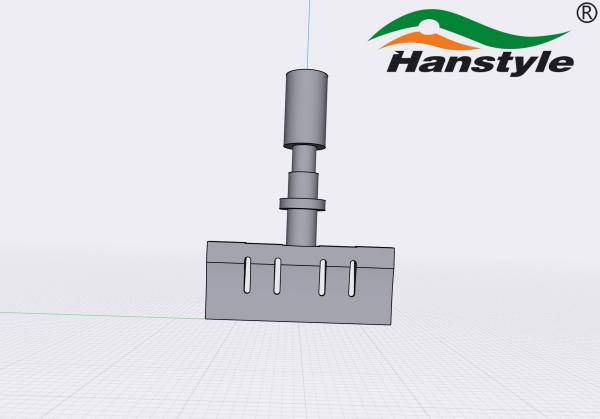
| H-UFC40 | 40KHz | 80, 100, 152 | 500W-2000W | Food grade Titanium alloy | Digital type |
| H-UFC20 | 20KHz | 255, 305, 315, 355 | 800W-2000W | Food grade Titanium alloy | Digital type |
Common Product Specifications
| Power Supply | 220V/50Hz |
|---|---|
| Minimum Order Quantity | 1 Unit |
| Price (USD) | 980~5900 |
| Packaging Details | Normal export packaging |
| Supply Ability | 50000 pcs |
| Delivery Port | Shanghai |
Product Manufacturing Process
Ultrasonic cutting machines utilize high-frequency vibrations to enhance precision and reduce friction during the cutting process. This involves converting electrical energy into mechanical vibrations, which are then transmitted to a cutting tool, usually composed of a blade made from durable materials like titanium. The rapid oscillations generated significantly lower friction, allowing for cleaner cuts and less heat generation, which is crucial for materials sensitive to heat and pressure. The process is supported by scientific studies that show improvements in efficiency and accuracy compared to traditional cutting methods. Overall, ultrasonic cutting is a sophisticated method that promises enhanced performance and product quality assurance.
Product Application Scenarios
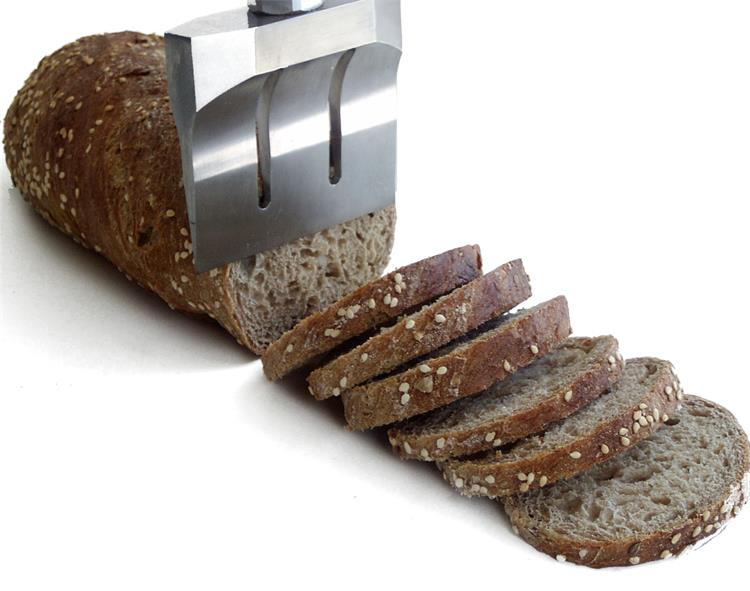
Ultrasonic cutting machines are used across various industries due to their precision and reliability. They are particularly effective in the food industry for slicing through delicate items like cakes and cheese without causing deformation. In the textile sector, these machines efficiently trim synthetic fabrics while sealing edges, preventing fraying. The electronics industry also benefits, using ultrasonic cutting for processing sensitive components like flexible circuits, where minimal mechanical stress is paramount. Medical device manufacturing employs ultrasonic cutting for intricate shapes in polymers, reducing defects and meeting stringent safety standards. Each application benefits from the machine’s ability to make precise cuts while maintaining material integrity.
Product After-Sales Service
Our factory provides comprehensive after-sales service for the ultrasonic cutting machine, including troubleshooting, maintenance support, and regular updates to ensure peak performance. A dedicated customer service team is available to address any concerns or requirements promptly. Additionally, we offer training sessions to optimize machine usage and efficiency. Spare parts are readily available to minimize downtime, ensuring continuous operation. With a strong commitment to customer satisfaction, our after-sales service aims to enhance the user experience and extend the machinery's lifespan.
Product Transportation
Transportation of the ultrasonic cutting machine from the factory is conducted with utmost care to ensure it reaches the customer without damage. The machinery is securely packaged in robust export packaging. We collaborate with reliable shipping partners to deliver products promptly and safely, and tracking information is provided for transparency. Upon arrival, an inspection checklist is included to verify the integrity and completeness of the shipment, guaranteeing that the product is ready for immediate use.
Product Advantages
- Adjustable ultrasonic power settings from 1 to 99% for versatility.
- Non-stick blade ensuring precise cuts without residue.
- Integration capability with automatic production lines.
- Variety of cutting widths tailored to specific needs.
- Durable food-grade titanium alloy blades for longevity.
- Suitable for a wide range of products including frozen and creamy items.
- Easy maintenance and cleaning processes.
- Series blade arrangement allows for increased cutting width.
- High-speed slicing capability of 60 to 120 strokes per minute.
Product FAQ
- Q1: What is the advantage of the factory's ultrasonic cutting machine over traditional methods?
A1: The factory's ultrasonic cutting machine provides precision cuts with minimal material distortion. Its high-frequency vibrations reduce friction, enabling cleaner cuts, especially beneficial for delicate materials. - Q2: How does the ultrasonic cutting machine handle various food textures?
A2: The machine’s adaptable blade and frequency settings allow it to cut smoothly through different textures, from soft cakes to dense cheeses, without deformation or residue. - Q3: Is the machine suitable for industrial use?
A3: Yes, our factory's ultrasonic cutting machine is robust and designed for continuous use in industrial settings, supporting high production volumes. - Q4: Can the machine be integrated into an existing production line?
A4: Absolutely, the ultrasonic cutting machine is engineered for compatibility and can be seamlessly incorporated into automated production lines for enhanced productivity. - Q5: What maintenance does the machine require?
A5: Regular maintenance involves blade inspection, cleaning of the unit to prevent residue build-up, and software updates to ensure optimal operation. Detailed guides are provided by the factory. - Q6: How energy efficient is the ultrasonic cutting machine?
A6: The machine's operations are optimized to use less power compared to conventional methods, making it energy-efficient while maintaining high performance. - Q7: What safety measures are incorporated into the machine's design?
A7: Safety features include automated shutdown in case of malfunctions and protective covers to prevent accidents, ensuring operator safety during use. - Q8: Can different blade sizes be used for diverse cutting needs?
A8: Yes, our factory provides a range of blade sizes to meet various cutting requirements, all easily interchangeable, enhancing the machine’s versatility. - Q9: Is there any specific training required to operate the machine?
A9: While the machine is user-friendly, our factory offers comprehensive training to ensure operators maximize efficiency and understand best practices for maintenance and troubleshooting. - Q10: How does the machine handle highly dense materials?
A10: Although ideal for a wide range of materials, extremely dense items may require specific blade adjustments or alternative cutting technologies for optimal results.
Product Hot Topics
- Topic 1: The Role of Factory Ultrasonic Cutting Machines in Modern Food Processing
Discussion: Ultrasonic cutting machines have transformed food processing, offering unparalleled precision and efficiency. In the factory setting, they slice delicate items like cakes and cheeses without distortion or sticking, setting new standards in the industry. Their ability to maintain product integrity while enhancing output quality has made them indispensable. As demand for high-quality processed foods grows, these machines are vital for manufacturers aiming to keep up with market trends. - Topic 2: Innovations in Ultrasonic Technology: A Factory's Perspective
Discussion: Factory innovations in ultrasonic technology have propelled cutting efficiency to new heights. This evolution has brought about factory solutions that extend beyond traditional cutting capabilities, minimizing heat and mechanical resistance. As factories continue to incorporate this technology into their operations, they benefit from lower production costs and improved output. The continuous advancement in ultrasonic technology suggests a promising future for its expanded applications. - Topic 3: Enhancing Factory Production Lines with Ultrasonic Cutting Machines
Discussion: Integrating ultrasonic cutting machines into factory production lines has enhanced efficiency and precision. These machines' seamless incorporation means factories can perform high-speed, clean cuts while maintaining product quality. As factories aim to optimize output without sacrificing quality, ultrasonic technology presents a reliable solution, enabling streamlined processes and reduced operational costs. - Topic 4: Quality Control and Ultrasonic Cutting in the Factory Environment
Discussion: Ultrasonic cutting machines are crucial for factory quality control processes. By ensuring even and precise cuts, they uphold product standards and minimize waste. Their role in maintaining consistency across production batches is vital for factories in competitive markets. This precision helps factories deliver reliable products, enhancing their reputation and customer trust. - Topic 5: Addressing Challenges in Factory Food Processing with Ultrasonic Cutting
Discussion: Factory food processing faces continuous challenges in maintaining efficiency and product quality. Ultrasonic cutting machines present a solution with their high precision and minimal residue advantages. They enable factories to address issues of waste and product distortion, ensuring end products meet consumer expectations. As technology evolves, such machines are becoming even more adaptable and essential in factory settings. - Topic 6: Sustainability and Factory Ultrasonic Cutting Technologies
Discussion: Sustainability is an increasing concern for modern factories. With ultrasonic cutting technology, factories can reduce waste and energy consumption, supporting eco-friendly practices. These machines require less frequent tool changes, minimizing material usage. As factories aim for greener operations, ultrasonic technology aligns with sustainability goals while still delivering high-quality output. - Topic 7: The Cost-Benefit Analysis of Ultrasonic Cutting Machines in Factories
Discussion: Ultrasonic cutting machines involve an initial investment, yet they offer long-term savings for factories. Their precision reduces material waste and the frequency of blade replacements, leading to lower operational costs. Additionally, their energy-efficient design lessens utility expenses. When factories assess the cost-benefit ratio, the return on investment through increased efficiency and reduced waste is clear. - Topic 8: Training and Skill Development for Factory Ultrasonic Cutting Machine Operators
Discussion: As ultrasonic cutting machines become more prevalent in factories, skilled operators are essential. Training ensures operators can maximize the machines' capabilities, enhancing factory productivity and safety. Providing ongoing education and support, factories can ensure that their workforce is adept in emerging technologies, fostering a skilled and adaptable team ready for future advancements. - Topic 9: Factory Robotics and Automation: The Role of Ultrasonic Cutting Machines
Discussion: The integration of robotics in factories has transformed production lines, with ultrasonic cutting machines playing a key role. Their ability to perform precise, automated cuts complements robotic systems, streamlining processes and boosting output. This synergy offers enhanced efficiency and reduced labor costs, providing factories with a competitive edge through automation and innovation. - Topic 10: Expanding the Capabilities of Factory Production with Ultrasonic Cutting Machines
Discussion: Factories are continually looking to expand capabilities while maintaining quality and cost-effectiveness. Ultrasonic cutting machines offer a solution, providing versatile cutting options for various materials. Their adaptability ensures factories can meet diverse production needs without sacrificing precision, paving the way for new opportunities in product development and factory growth.
Image Description