Factory-Grade Homogenizer for Emulsion Processing
Product Main Parameters
| Frequency | 20 ± 1 KHz |
|---|---|
| Power | 1000VA |
| Input Voltage | 220±10%(V) |
| Max Temperature | 800°C |
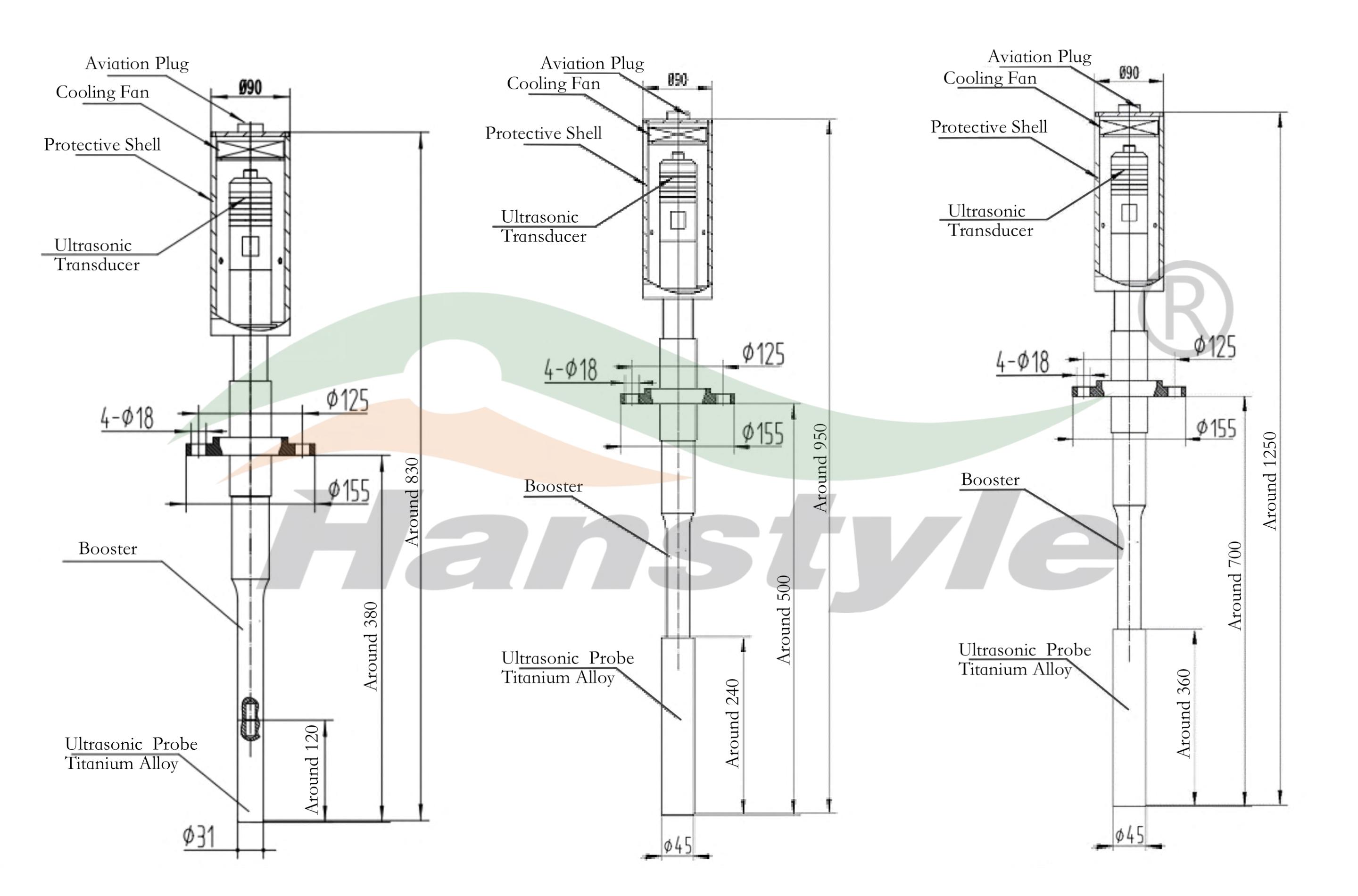
| Probe Diameter | 31mm |
Common Product Specifications
| Model | H-UMP10 |
|---|---|
| Frequency | 20 ± 1 KHz |
| Power | 1000VA |
| Input Voltage | 220±10%(V) |
| Max Temperature | 800°C |
Product Manufacturing Process
The homogenizer manufacturing process involves precise machining and assembly of components to ensure high-performance standards. The factory uses advanced CNC machines to craft key parts, followed by rigorous quality tests to confirm assembly accuracy. Quality control is integral, relying on in-depth longitudinal studies that have shown a direct correlation between machining precision and emulsion quality. As concluded in numerous authoritative papers, the consistent quality achieved through precise manufacturing processes leads to enhanced stability and efficiency in emulsifying applications.
Product Application Scenarios
Homogenizers are pivotal in the emulsion creation process across a range of industries. According to authoritative literature, the use of homogenizers in the food industry improves shelf-life and texture of products like dairy and dressings. In pharmaceuticals, they aid in the creation of emulsions critical for drug delivery. The cosmetic industry utilizes these to ensure uniform texture in creams and lotions, while the chemical industry benefits from their ability to stabilize paints and adhesives. These applications affirm their indispensability in creating emulsions with consistent qualities.
Product After-Sales Service
Our factory offers comprehensive after-sales services for the homogenizer for emulsion. This includes a one-year warranty, access to replacement parts, and dedicated customer service support to address any operational issues swiftly.
Product Transportation
Products are securely packaged using standard export packaging materials to prevent any damage during transit. Our logistics team ensures prompt delivery with reliable shipping partners.
Product Advantages
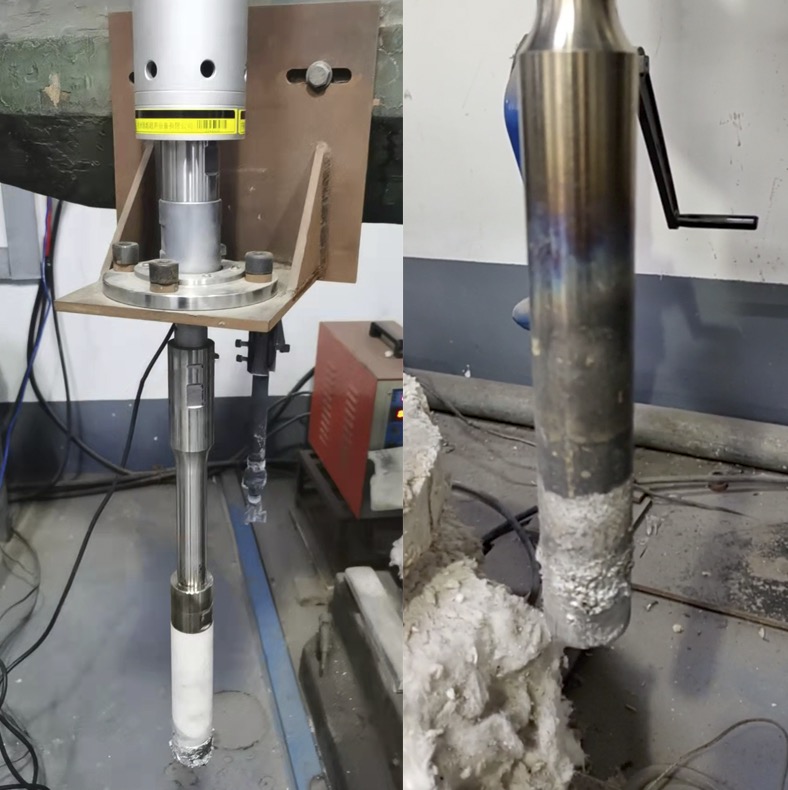
- High Temperature Resistance: Handles up to 800°C, ensuring durability in extreme conditions.
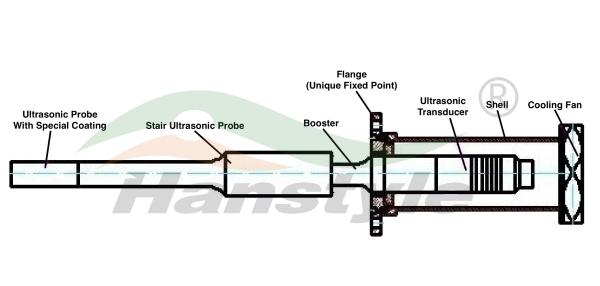
- Easy Installation: Quick and hassle-free setup with flange connections.
- Corrosion Resistance: Manufactured with high-strength titanium alloy tool heads.
- High Power: The homogenizer can deliver a maximum of 3000W, ensuring efficient processing.
Product FAQ
- What is a homogenizer used for in a factory setting?
A homogenizer in a factory is used for producing stable emulsions by reducing particle size, improving the texture and stability of products like food, cosmetics, and pharmaceuticals.
- How does a homogenizer for emulsion work?
It uses mechanical forces such as high pressure and shear to break down large particles into smaller ones, creating a uniform dispersion within the emulsion.
- What industries benefit from homogenizers?
Industries such as food and beverage, pharmaceuticals, cosmetics, and chemicals extensively use homogenizers to optimize product stability and performance.
- Why is high pressure important in homogenization?
High pressure creates intense forces that effectively reduce particle sizes, crucial for forming stable and consistent emulsions.
- Are there different types of homogenizers?
Yes, including high-pressure, ultrasonic, and high-shear mixers, each suitable for specific applications and pressure requirements.
- What maintenance is required for a homogenizer in a factory?
Regular inspection and cleaning of components, timely replacement of worn parts, and adherence to the manufacturer's guidelines ensure longevity.
- How does a homogenizer improve product quality?
By ensuring uniform particle size distribution, homogenizers enhance the stability, texture, and appearance of emulsified products, leading to better quality.
- What is the role of ultrasonic waves in homogenization?
Ultrasonic waves create cavitation that disrupts particle cohesion in emulsions, aiding in the refinement process for better stability.
- Can homogenizers handle high temperatures?
Our homogenizers are designed to withstand high temperatures, up to 800°C, ensuring they perform reliably even in extreme conditions.
- What factors affect the efficiency of a homogenizer for emulsion?
Factors such as temperature, pressure, type of homogenizer, and the viscosity of the mixture all play significant roles in the homogenization process efficiency.
Product Hot Topics
- Factory Innovations in Emulsion Homogenization Technology
In recent years, factory innovations have greatly improved the homogenizer for emulsion technology, with enhancements like adjustable pressure settings and advanced ultrasonic capabilities. These innovations have made it possible to produce emulsions with finer particle distributions and longer shelf lives, significantly benefiting industries ranging from food production to pharmaceuticals. As factories continue to innovate, we can expect even more effective and efficient homogenization processes, which translate to higher quality end products.
- Why Homogenizers are Essential in Modern Factories
Homogenizers play a crucial role in modern factories, especially when it comes to creating consistent and high-quality emulsions necessary for product formulation. The introduction of homogenizers in production lines ensures that every batch of product maintains the same texture and stability, crucial for consumer satisfaction and compliance with regulatory standards. As factories evolve, the importance of reliable homogenization processes cannot be overstated, making these machines integral to industrial success.
- Homogenizer for Emulsion: Inside Factory Operations
The use of a homogenizer for emulsion in factory operations is pivotal for achieving the desired consistency in various products. From food to cosmetics, the ability to maintain uniformity in emulsions is a testament to the factory's investment in quality equipment and processes. By incorporating sophisticated homogenizers into their operations, factories can guarantee that their products meet stringent quality standards, enhancing their reputation in a competitive market.
- Future of Factory Emulsion Processes with Homogenizer Technology
The future of emulsion processes in factories is heavily reliant on advancements in homogenizer technology. As industries demand more efficient and precise emulsification, cutting-edge homogenizers are being developed to meet these needs. These advancements promise to reduce energy consumption and increase production rates, while maintaining or even improving product quality. The continued evolution of homogenizer technology will shape how factories produce emulsions, positioning them to better meet market demands.
- Sustainability in Factory Emulsion with Homogenizers
As sustainability becomes a growing concern, factories are turning to homogenizers to help reduce waste and energy use in emulsion production. Modern homogenizers are designed to be energy-efficient, minimizing the environmental footprint of the production process. By optimizing the use of resources, factories not only reduce costs but also contribute to a more sustainable production cycle. This commitment to sustainability, facilitated by advanced homogenizer technology, is a crucial step for factories aiming to meet global environmental standards.
- Quality Assurance in Factory Emulsion Production
Quality assurance in factory emulsion production is heavily reliant on the efficiency of homogenization processes. A well-calibrated homogenizer ensures that emulsions are consistent in particle size and distribution, which is fundamental to product performance and stability. Factories invest significantly in maintaining and upgrading their homogenizers to align with these quality standards, ensuring their products maintain a competitive edge in the market. This focus on quality assurance solidifies the homogenizer's role as a cornerstone of industrial production.
- Economic Impact of Homogenizers in Factory Settings
The economic impact of homogenizers in factory settings is notable, as they streamline production processes and improve the quality of output. By reducing the incidence of defective products and enhancing batch consistency, factories can significantly decrease wastage and increase profit margins. Furthermore, the ability to produce high-quality emulsions expands market opportunities for factories, enabling them to meet diverse customer demands efficiently. This economic advantage underscores the value of investing in advanced homogenization technology.
- Homogenization Challenges in Factory Environments
While homogenizers are indispensable assets in factories, they also present unique challenges. Factories must ensure that their machines are meticulously maintained to prevent operational disruptions. Moreover, training personnel to operate homogenizers efficiently requires time and resources. Factories must balance these challenges with the undeniable benefits that homogenizers bring, continuously improving processes to overcome hurdles and maximize the advantages of high-quality emulsion production.
- Factory Trends: Integrating AI in Homogenizer Operations
Integrating AI in homogenizer operations is an emerging trend in factory settings, promising increased precision and efficiency. AI technologies can optimize homogenization processes by offering real-time adjustments and predictive maintenance analytics, thereby reducing downtime and enhancing overall productivity. By adopting AI-driven solutions, factories can further refine their emulsion production processes, ensuring high-quality outcomes while minimizing operational costs. This trend signifies a forward-looking approach to factory management and product excellence.
- Homogenizer Efficiency and Factory Productivity
Homogenizer efficiency directly impacts factory productivity, making it a key focus for operational enhancements. Efficient homogenizers allow factories to handle larger volumes without compromising quality, translating to faster production cycles and increased output. The ability to consistently produce high-quality emulsions boosts factory competitiveness in the global market, emphasizing the importance of investing in state-of-the-art homogenization equipment. This connection between homogenizer efficiency and productivity highlights the strategic role these machines play in industrial success.
Image Description