
Factory Direct Non Woven Welding Machine for Surgical Suits
Product Main Parameters
| Model No | Frequency | Power | Generator | Speed (m/min) | Melting Width (mm) | Type |
|---|---|---|---|---|---|---|
| H-US15/18 | 15KHz / 18KHz | 2600W / 2200W | Analog / Digital | 0-18 | ≤80 | Manual / Pneumatic |
| H-US20A | 20KHz | 2000W | Analog | 0-15 | ≤80 | Pneumatic |
Common Product Specifications
| Dimensions | Power Supply | Motor Control Mode | Number of Motors |
|---|---|---|---|
| 1280*600*1300mm | 220V/50Hz | Frequency converter | Double |
Product Manufacturing Process
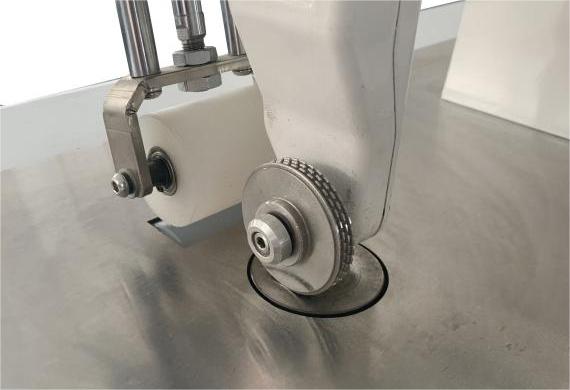
Ultrasonic welding is an advanced manufacturing process utilized in the bonding of non-woven materials, leveraging high-frequency vibrations to induce heat and create a molecular fusion. This technique is lauded for its efficiency and ability to form strong, reliable seams without the need for additional adhesives. The process begins with the alignment of fabric layers between ultrasonic vibration components. Upon activation, these components transmit sound waves through the materials, generating localized heat at the contact points. This heat causes thermoplastic fibers to melt and fuse, resulting in a seamless bond. As documented in numerous studies, ultrasonic welding offers significant advantages, including rapid production cycles, minimal energy consumption, and enhanced product safety, making it ideal for high-demand applications such as medical equipment and personal protective apparel.
Product Application Scenarios
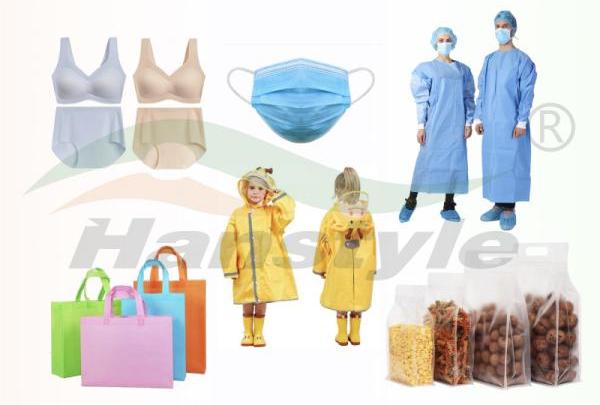
The non woven welding machine plays an essential role in various fields through its versatile applications. In the medical industry, it is crucial for producing sterile, reliable products such as surgical masks, gowns, and caps, where precision and cleanliness are critical. The hygiene sector benefits from its usage in manufacturing diapers and wipes that require robust bonding. The machine's capability extends to the automotive sector, aiding in the production of components like air filters requiring durable fabric connections. Numerous papers highlight the adaptability and efficiency of non-woven welding machines, emphasizing their contribution to improving both product quality and production efficiency across diversified industries. As demands for hygienic and durable materials rise, the role and significance of these machines continue to expand.
Product After-Sales Service
Hanspire Automation provides comprehensive after-sales service for all non woven welding machines sold. Customers can access technical support and maintenance services to ensure optimal machine performance. We guarantee availability of spare parts and offer on-site servicing by our certified engineers. Additionally, our after-sales service includes regular training sessions to keep your staff updated on machine operations and efficiency techniques.
Product Transportation
All non woven welding machines are securely packaged for transportation to prevent any damage during transit. Hanspire Automation collaborates with reliable logistics partners to ensure timely delivery to your factory. Machines are transported with detailed manuals, and we offer installation support upon arrival to facilitate smooth setup and operation.
Product Advantages
- No need for needle and thread, saving on consumable costs and minimizing production downtime.
- Ergonomic design ensures ease of use and operational efficiency.
- Capable of both linear and curved welding, expanding its application possibilities.
- Meets waterproof, airtight, and anti-bacterial requirements.
Product FAQ
- How does a non woven welding machine operate? Non woven welding machines operate by applying heat, pressure, or ultrasonic waves to bond non-woven fabrics without traditional stitching or adhesives, ensuring strong seams and high-speed production.
- What materials can the non woven welding machine handle? These machines are suitable for synthetic and thermoplastic non-woven fabrics, making them ideal for medical, hygiene, and industrial applications.
Product Hot Topics
- Advancement in Non Woven Welding Technology The latest innovations in non woven welding technology have significantly boosted efficiency and bonding strength, proving instrumental in meeting the demands of modern manufacturing.
- Environmental Impact of Non Woven Welding Unlike traditional sewing or adhesive methods, non woven welding reduces waste and energy consumption, aligning with sustainable manufacturing goals.
Image Description