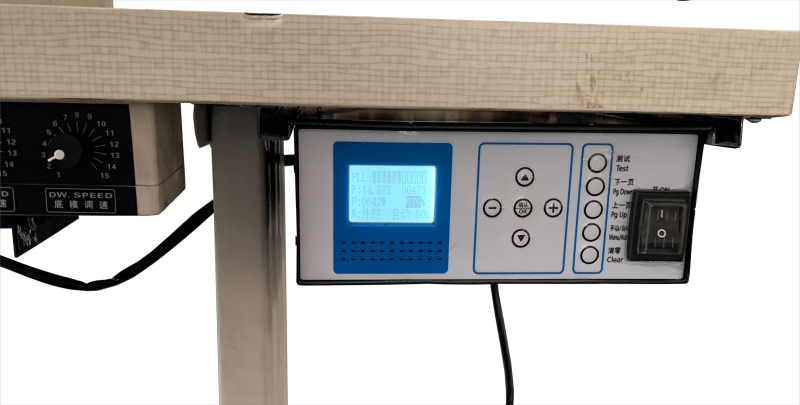

China Ultrasonic Sewing Machine for Non-Woven Materials
Product Main Parameters
| Model No | Frequency | Power | Generator |
|---|---|---|---|
| H-US15/18 | 15KHz / 18KHz | 2600W / 2200W | Analog / Digital |
| H-US20A | 20KHz | 2000W | Analog |
| H-US20D | 20KHz | 2000W | Digital |
Common Product Specifications
| Specification | Details |
|---|---|
| Speed | 0-18 m/min |
| Melting Width | ≤80 mm |
| Dimensions | 1280*600*1300 mm |
Product Manufacturing Process
According to authoritative papers, ultrasonic sewing machines use a transducer to convert electrical energy into high-frequency sound waves. These waves, amplified and transmitted through a horn, cause the materials to vibrate at a molecular level. This generates heat, leading to the fusion of materials upon cooling, offering a seamless bond without traditional sewing elements. The process is quick, precise, and effective for various synthetic materials.
Product Application Scenarios
Research shows that ultrasonic sewing machines excel in industries like textiles, medical, automotive, and packaging. Their ability to produce strong, airtight seams without threads makes them ideal for creating durable products like activewear, medical garments, and automotive components. These machines are particularly beneficial for materials that traditional sewing methods struggle with, due to their unique bonding capabilities.
Product After-Sales Service
- Comprehensive warranty coverage
- Dedicated customer support team
- Regular maintenance and servicing options
Product Transportation
- Secure packaging to prevent damage
- Reliable shipping partners for timely delivery
- Tracking options available for all orders
Product Advantages
- Efficient bonding without threads, reducing material costs
- High-speed production suitable for mass manufacturing
- Environmentally friendly with minimal waste
Product FAQ
- What materials can the China ultrasonic sewing machine handle? Our ultrasonic sewing machines are versatile, capable of bonding various synthetic materials like polyester, nylon, and thermoplastics, commonly used in the textile, automotive, and medical industries.
- How does ultrasonic sewing compare with traditional sewing? Ultrasonic sewing eliminates the need for threads, offering faster production speeds and stronger seams, especially beneficial for airtight and watertight applications.
- Is ultrasonic sewing technology suitable for small-scale businesses in China? While initial costs may be higher, the long-term savings in consumables and labor make it a viable option for both small and large-scale operations looking to improve efficiency.
Product Hot Topics
- Ultrasonic Sewing Machine Innovations
In recent years, innovations in ultrasonic sewing technology have transformed production processes in China and globally. These machines have seen upgrades in precision and efficiency, pushing boundaries in textile engineering. - Green Manufacturing with Ultrasonic Technology
As industries move towards sustainable practices, ultrasonic sewing machines offer an environmentally friendly alternative, reducing the need for chemical adhesives and minimizing waste, setting a new standard in green manufacturing.
Image Description