
China Ultrasonic Homogenizer for Nano Material Applications
| Model | Frequency | Power | Voltage | Pressure | Intensity of sound | Material of probe | Generator |
|---|---|---|---|---|---|---|---|
| H-UH20-1000S | 20KHz | 1000 W | 220V | Normal | >10 W/cm² | Titanium Alloy | Digital type |
| H-UH20-1000 | 20KHz | 1000 W | 220V | Normal | >10 W/cm² | Titanium Alloy | Digital type |
| H-UH20-2000 | 20KHz | 2000W | 220V | 35 MPa | >40 W/cm² | Titanium Alloy | Digital type |
| H-UH20-3000 | 20KHz | 3000W | 220V | 35 MPa | >60 W/cm² | Titanium Alloy | Digital type |
| H-UH20-3000Z | 20KHz | 3000 W | 220V | 35 MPa | >60 W/cm² | Titanium Alloy | Digital type |
Common Product Specifications
| Feature | Details |
|---|---|
| Main Material | Titanium Alloy probe suitable for medical and food industries |
| Intelligent Generator | Wide power setting range from 1% to 99% |
| Reactor Materials | High-quality glass, 304SS, 316L SS materials tank |
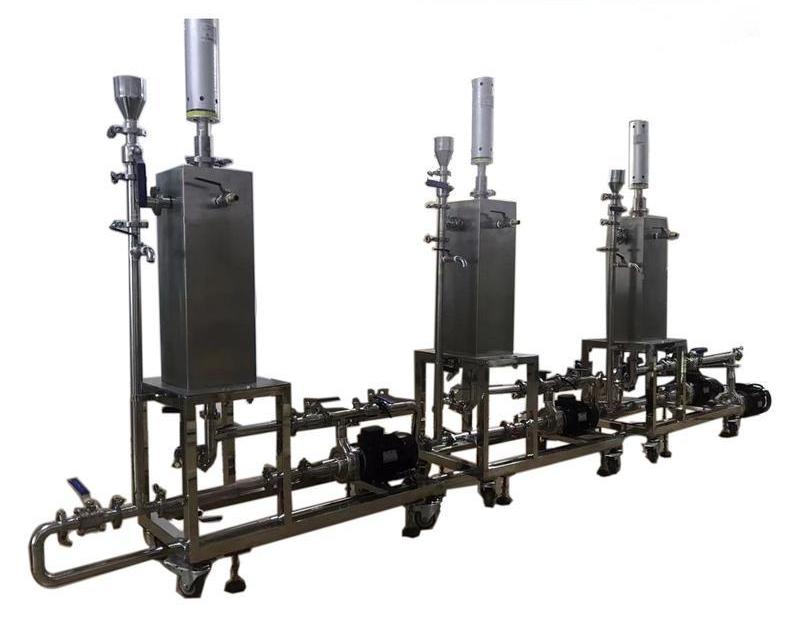
| Custom Sizes | Available for laboratory and industrial applications |
Product Manufacturing Process
The manufacturing of ultrasonic homogenizers involves precise engineering and assembly of components to ensure optimal performance and reliability. Key steps involve selecting high-grade materials such as titanium alloys for the probe, owing to their robustness and suitability across various industries, including food and medical. The ultrasonic generator unit is assembled with digital control systems to enable automatic frequency tracking for stable operation. Rigorous testing procedures in line with international standards ensure that each unit meets stringent quality benchmarks before delivery. Advances in materials science and engineering practices have further enhanced the manufacturing process, ensuring that the homogenizers are capable of handling diverse and demanding applications.
Product Application Scenarios
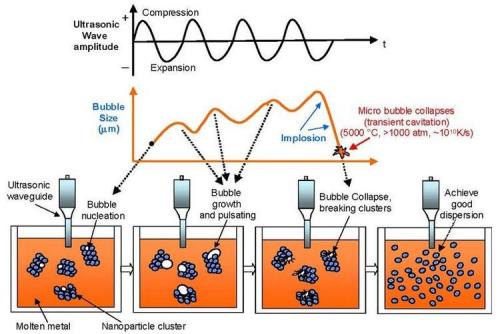
Ultrasonic homogenizers are versatile tools with wide-ranging applications across numerous industries. In the pharmaceutical and biotechnology sectors, they are critical for cell disruption and the extraction of cellular components, such as proteins and DNA, which are essential for subsequent analysis or processing. The food and cosmetic industries utilize them for the emulsification of immiscible liquids, creating stable products with improved texture and consistency. The ability to disperse nanoparticles makes them invaluable in materials science, enhancing the properties and functionalities of advanced materials. Furthermore, their role in accelerating chemical reactions through sonochemistry is proving transformative in various chemical synthesis processes, facilitating more efficient and greener production methodologies.
Product After-Sales Service
Hanspire provides comprehensive after-sales support to ensure customer satisfaction. This includes installation guidance, routine maintenance services, and prompt technical support to address any operational issues. Customers can also benefit from training sessions to optimize the use of their ultrasonic homogenizers and ongoing updates on technological advancements and best practices in ultrasonication.
Product Transportation
Products are carefully packaged using standard export packaging techniques to ensure that they arrive in optimal condition. Hanspire has partnered with reliable logistics providers to facilitate efficient distribution across China and internationally, maintaining a consistent supply chain with an impressive delivery capacity of up to 50,000 units.
Product Advantages
- Efficiency: Less time required compared to traditional methods.
- Versatility: Suitable for a wide range of samples.
- Scalability: Applicable from lab scale to industrial production.
- Non-thermal Processing: Ideal for temperature-sensitive applications.
Product FAQ
- What industries can benefit from China Ultrasonic Homogenizers?
Industries like pharmaceuticals, biotechnology, food processing, cosmetics, and materials science benefit greatly from ultrasonic homogenization, as it enhances both efficiency and product quality.
- How do ultrasonic homogenizers contribute to nano material processing?
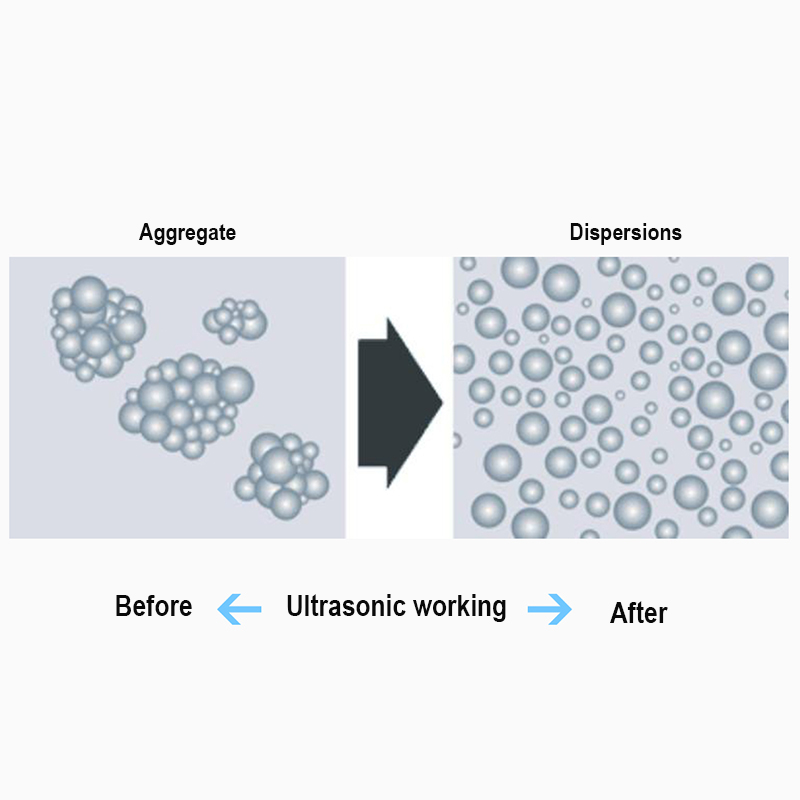
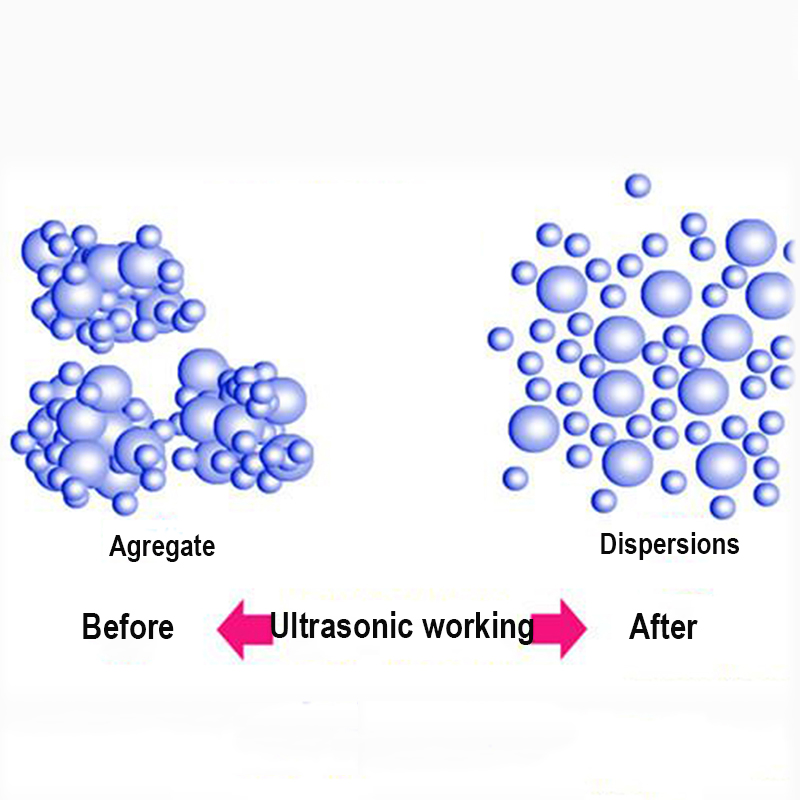
They effectively disperse nanoparticles, reducing agglomeration and enhancing the chemical and physical properties of the materials involved.
- What is the significance of using titanium alloy probes?
Titanium alloy is chosen for its durability and compatibility with various substances, ensuring long-lasting and reliable performance across different sectors, including medical and food industries.
- Can the homogenizers handle temperature-sensitive samples?
Yes, ultrasonic homogenizers offer non-thermal processing, preserving the integrity of temperature-sensitive samples throughout the homogenization process.
- What is the warranty policy?
Hanspire offers a comprehensive warranty policy that covers defects in materials and workmanship, alongside extended support plans to maximize the lifespan of the product.
- Are custom sizes available?
Hanspire offers customization options for both laboratory and high-volume industrial applications, ensuring that the equipment meets specific operational needs and constraints.
- How is product quality assured?
Each unit undergoes rigorous testing and quality assurance processes to ensure compliance with international standards and to guarantee performance and reliability.
- What support is available for new users?
Hanspire provides comprehensive training and technical support, empowering new users to utilize their ultrasonic homogenizers effectively and efficiently.
- Can ultrasonic homogenizers assist in chemical reactions?
Yes, through sonochemistry, they enhance reaction rates and yields, contributing to more efficient and sustainable chemical processes.
- How do I maintain my ultrasonic homogenizer?
Regular maintenance involves cleaning, inspection, and calibration. Hanspire provides supportive documentation and services to ensure optimal equipment performance.
Product Hot Topics
- The Rise of Ultrasonic Homogenizers in China's Biotechnology Industry
As China's biotechnology sector expands, the demand for advanced technologies like ultrasonic homogenizers is increasing. These devices play a crucial role in processing biological samples by providing efficient cell lysis and extraction capabilities. The technology's ability to scale from laboratory to industrial applications makes it indispensable for both research institutions and commercial production facilities in China.
- Enhancing Nano Graphene Production with China Ultrasonic Homogenizers
The production of nano graphene is taking center stage in China's materials science domain. Ultrasonic homogenizers are pivotal in ensuring uniform dispersion and preventing agglomeration, which are critical for producing high-quality nano graphene products. This technology supports the country's push towards innovation in nanotechnology and advanced materials.
- China's Ultrasonic Homogenizers in Food Processing Innovations
The Chinese food processing industry is witnessing a revolution with the integration of ultrasonic homogenizers. These devices help produce better emulsions and textures while preserving the natural qualities of ingredients. This technological advancement aligns with China's commitment to enhancing food quality and safety standards.
- Role of Ultrasonic Homogenizers in China's Green Chemistry Movement
With a growing emphasis on sustainability, China's chemical industry is embracing green chemistry principles. Ultrasonic homogenizers facilitate eco-friendly processes by enhancing reaction rates and yields without the need for elevated temperatures, thus supporting the country's environmental goals.
- Ultrasonic Homogenizer Applications in Traditional Chinese Medicine
Incorporating ultrasonic technology into the production of traditional Chinese medicine offers potential benefits, such as improved extraction efficiency and product consistency. This helps bridge the gap between traditional practices and modern technological advancements in China.
Image Description